Top Emergency Plumbers in North Haven, NY, 11963 | Compare & Call

There are 235 plumbing companies server in North Haven NY
Elite Hydronics
Elite Hydronics in Moscow, PA, is a trusted plumbing and HVAC service led by Master Plumber James Allwin, who brings over 25 years of expertise to every job. As his apprentice, I've learned firsthand ...
GME Plumbing & Heating
GME Plumbing & Heating is a locally owned and operated business serving Bronx Park and the surrounding areas since 2008. Founded on a commitment to integrity and reliable service, we focus on providin...
Oh Gush Sewer & Drain SVC is a locally-owned plumbing business serving New York, NY since 2019. We provide 24-hour emergency plumbing services with a focus on water heater installation and repair, dra...
HSM Piping & Heating
HSM Piping & Heating is a trusted, full-service plumbing and HVAC company serving homeowners across Brooklyn, NY. For years, we've helped our neighbors tackle the borough's common plumbing challenges,...
Standby Plumbing & Heating
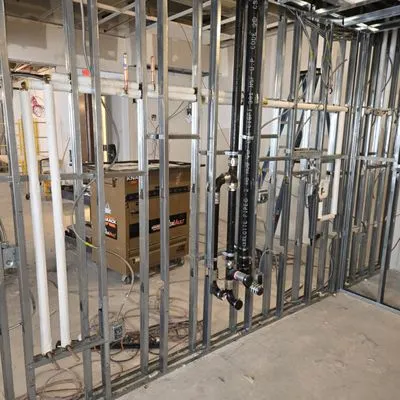
Standby Plumbing & Heating has been serving Brooklyn homes and businesses for years, providing reliable plumbing and heating solutions. Our experienced technicians handle everything from routine maint...
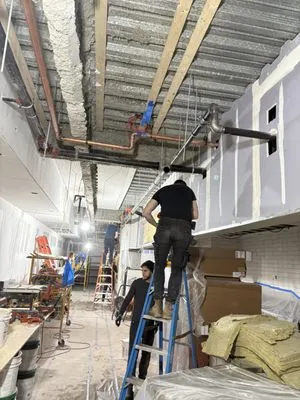
Founded in 2005 by experienced, licensed plumbers, Ms Plumbing Corp was built on a passion for solving problems and a commitment to honest, transparent service. We started as apprentices and built a c...

24/7 Plumbing is your trusted local plumbing partner in Brooklyn, NY, ready to tackle any emergency or scheduled project. We understand the common plumbing headaches that Brooklyn residents face, from...
Lav Handy Work is a Brooklyn-based handyman service dedicated to providing reliable solutions and the best value for local homeowners. Founded on a simple principle—fix it first before replacing it—th...
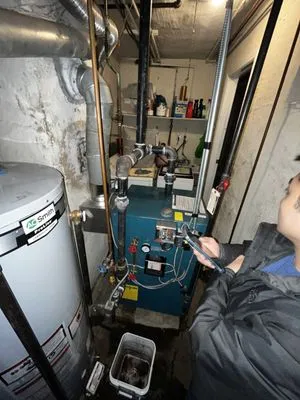
SS Plumbing & Heating has been a trusted provider of plumbing and heating solutions for New York homeowners and businesses for over a decade. Our focus is on complete client satisfaction, delivered by...
Affordable Plumbing Repair is your trusted local plumbing service in Staten Island, NY, dedicated to resolving common household plumbing issues that many residents face. We specialize in addressing to...
Estimated Plumbing Costs in North Haven, NY
Frequently Asked Questions
How fast can a plumber get to my house in North Haven?
Heading past North Haven Village Hall on State Route 114 is the main route for most service calls. From there, access to the surrounding neighborhoods is direct. A typical dispatch from the Village Center area takes 45 to 60 minutes, accounting for local traffic and final property access off the main road.
Could the slope of my yard in North Haven cause drainage issues?
The coastal terrain here creates natural slopes that direct surface water. If your property drainage isn't managed, it can saturate the soil around your foundation and main sewer line. This constant hydrostatic pressure stresses pipe joints and can lead to infiltration or even a collapse over time, especially for lines running toward the waterfront.
Do I need a permit to replace my water heater in North Haven?
Yes, the North Haven Building Department requires permits for water heater replacements due to code compliance for pressure relief and seismic straps. I pull the necessary permits and schedule inspections as part of the job. Being licensed through Suffolk County Department of Labor, Licensing & Consumer Affairs means I handle that red tape so you don't have to.
Does having a private well mean I'll have more plumbing problems?
Private wells supply unsoftened water, so hardness minerals like calcium and magnesium enter your home directly. This leads to rapid scale buildup inside appliances. Water heaters are hit hardest; the lower heating element can become fully encased, causing premature failure and significantly higher energy bills. Fixture cartridges and shower valves also clog much faster.
Why are houses around Village Center getting so many leaks lately?
Homes built around 1980 have copper plumbing that is now 45-46 years old. That's the typical service life for copper in our water conditions. What you're seeing now is systemic wear; the pipes have simply reached the end of their expected lifespan. In Village Center, this often presents as clusters of pinhole leaks behind walls or under slabs.
As a suburban homeowner here, what unique plumbing systems should I understand?
Your home operates on a private well and septic system, not municipal water and sewer. This means water pressure is controlled by a well pump and pressure tank, and all waste is treated on-site. Understanding the basics of your pressure tank's cycle and scheduling regular septic inspections are crucial for preventing backups and pump failures.
What's the most common plumbing issue in a 1980s North Haven home?
Pinhole leaks in copper lines are the signature failure. After decades, the protective mineral layer inside the pipe breaks down, allowing our hard water to erode tiny spots. These leaks often start in horizontal runs or at fittings. Joint calcification from scale buildup is another frequent issue, which restricts flow and weakens solder connections.
What's one thing I should do every spring to avoid a plumbing disaster?
Insulate any exposed pipes in unheated crawl spaces or garages before the first hard freeze, even though our average low is 24°F. Sudden cold snaps happen. More critically, know where your main water shut-off valve is and ensure it operates freely. A burst pipe during a spring thaw, when ground shifts, can cause extensive damage if you can't stop the flow quickly.
