Top Emergency Plumbers in North Elba, NY, 12946 | Compare & Call

There are 39 plumbing companies server in North Elba NY
BEL Power And Mechanical is a trusted, full-service electrical and plumbing contractor serving Saint Johnsville, NY, and the surrounding areas. We specialize in a wide range of essential home services...
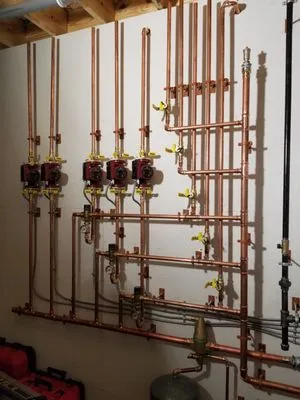
High Peaks Plumbing and Heating
At High Peaks Plumbing and Heating, our foundation is built on the trust we earn from every customer in Queensbury and the surrounding Adirondack region. We understand that plumbing and heating issues...
Leaky Pipes Plumbing Supplies is a trusted local supplier in Winthrop, NY, dedicated to serving the North Country with comprehensive plumbing, HVAC, and electrical solutions. We provide a wide range o...

For over a decade, Energy Wise Builders has been rooted in the Massena community, born from a lifelong dream to run a business fueled by genuine passion for the work. We believe in a hands-on approach...
Northern Plumbing Services is your trusted local plumbing expert serving Dickinson Center, NY, and surrounding areas. We specialize in comprehensive plumbing solutions, including bathtub, drain, fauce...

ABCD Sanitation is a trusted, local plumbing and sanitation provider serving Moira, NY, and the surrounding North Country. We specialize in the services essential for this region, including thorough p...
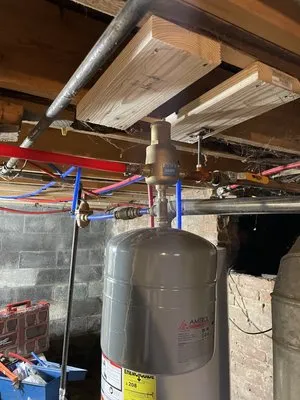
Brandon’s Plumbing, Heating, and A/C
Brandon's Plumbing, Heating, and A/C is your trusted, full-service home solutions provider serving Plattsburgh and the surrounding North Country. We understand the unique challenges Plattsburgh homeow...
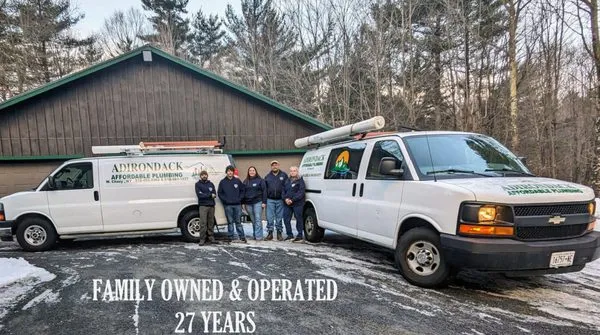
Adirondack Affordable Plumbing
Adirondack Affordable Plumbing is a trusted local plumbing service based in West Chazy, NY, dedicated to providing reliable and cost-effective solutions for homeowners. We specialize in a range of ser...
Mrs. Cobb's Family drain cleaning and plumbing
Mrs. Cobb's Family Drain Cleaning and Plumbing is a trusted, family-operated plumbing service proudly serving Schuyler Falls, NY, and the surrounding communities. We understand the common challenges l...
Mountain Mechanical is a trusted plumbing and HVAC service provider serving Saranac Lake, NY, and the surrounding Adirondack region. With expertise in everything from bathtub and drain repairs to HVAC...
Estimated Plumbing Costs in North Elba, NY
Common Questions
Could my home's hilly lot be causing plumbing problems?
Absolutely. The steep slopes around the Olympic Center area put constant, uneven stress on the main sewer line running from your house to the street. Over decades, this can cause the pipe to sag or separate at joints, creating a spot for roots and debris to collect. For water supply, if your house is downhill from the street main, you may have excessively high water pressure that stresses every fixture and connection, requiring a pressure regulator.
My Lake Placid Village house was built in the 1960s. Should I be worried about my plumbing?
Copper pipes installed in 1964 are now 62 years old. In North Elba, that age means homeowners are seeing a sharp increase in pinhole leaks, especially where pipes run through unheated crawlspaces. The copper wall thickness has been worn down by decades of our water's chemistry. It's not a question of if, but when a section will fail. Proactive replacement of the most vulnerable lines, like those feeding the water heater, can prevent a full-blowout emergency.
How long does it take for a plumber to get to my house in North Elba?
From my shop, heading past the Lake Placid Olympic Center on NY-73, most calls in the village core are a 10-15 minute drive. For homes further out on Cascade Road or the Sentinel Road area, you're looking at a 45-60 minute response. That's why we prioritize leak calls—we know that time matters when water is actively damaging a home. I map the quickest route before I even leave the shop.
Are there special plumbing concerns for a rural home near Lake Placid?
Rural properties here typically have a private well and septic system, not municipal water and sewer. Well pump failures are common, and the pressure tank and switch need annual servicing. Septic systems in our clay-heavy soil are prone to back-ups if not pumped every 2-3 years. You're responsible for the entire system from the well cap to the septic leach field, so understanding its components is critical to avoiding costly, messy failures.
Why do my copper pipes keep springing pinhole leaks?
Your 1960s-era copper is succumbing to a specific failure called Type 1 pitting corrosion. Microscopic imperfections in the pipe's interior, combined with our water's low pH, create focused spots where the copper dissolves. This isn't general wear; it's a localized electrochemical reaction that eats straight through the wall, creating a leak the size of a needle. Once one pinhole appears, others in the same plumbing run are often not far behind.
What's the most important plumbing tip for a Lake Placid winter?
Before temperatures hit 5°F, shut off and drain the water supply to any exterior faucets or irrigation lines. The real danger is the spring thaw. As ground frozen solid for months finally shifts, it can shear buried water lines and main sewer connections. Have your main water line inspected at the house entry point each fall. A slow drip from a cracked fitting in February can become a geyser by April when the ground fully settles.
Does Mirror Lake water damage water heaters or fixtures?
Yes, the soft, acidic water sourced from our watershed aggressively attacks metal. Inside a water heater, it corrodes the anode rod rapidly and then eats at the steel tank lining, cutting its lifespan by years. On fixtures, you'll see blue-green staining (verdigris) at joints and a chalky white scale buildup (calcium carbonate) from the water trying to neutralize itself. Installing a whole-house acid neutralizer is the most effective long-term defense for your appliances.
What permits do I need for a water heater replacement in North Elba?
The North Elba Building Department requires a permit for any water heater installation, as it's a change to the home's mechanical system. As a Master Plumber licensed by the New York State Department of State, I pull that permit, schedule the required inspections, and ensure the work meets all current code for expansion tanks, seismic straps, and proper venting. Handling this red tape is part of the job—it protects your home's value and your insurance coverage.
