Top Emergency Plumbers in Niagara, NY, 14109 | Compare & Call

There are 70 plumbing companies server in Niagara NY
Brad Miller Miller's Plumbing & Excavating
Brad Miller Miller's Plumbing & Excavating is a trusted, full-service contractor serving Erie and the surrounding communities. For years, our team has helped local homeowners tackle the region's commo...

Frank's Mr. Plumber brings reliable, Nexstar-certified plumbing solutions to Tonawanda and the greater Buffalo area. We operate on the principle that while no one loves to call a plumber, you should b...
Reliable Repairs Handyman Service is your trusted local handyman in Lockport, NY, specializing in comprehensive plumbing solutions to keep your home running smoothly. We understand that home upkeep sh...
Zenner & Ritter
Zenner & Ritter is a family-owned and operated home services company that has been a cornerstone of the Buffalo, NY community since the late 1920s. Under the leadership of Barbara and her son Brian, t...
Roy's Plumbing Heating Cooling & Electrical
For over 50 years, Roy's Plumbing Heating Cooling & Electrical has been the trusted, family-operated choice for home comfort services in Tonawanda, NY. Founded in 1973 on the principle of always doing...
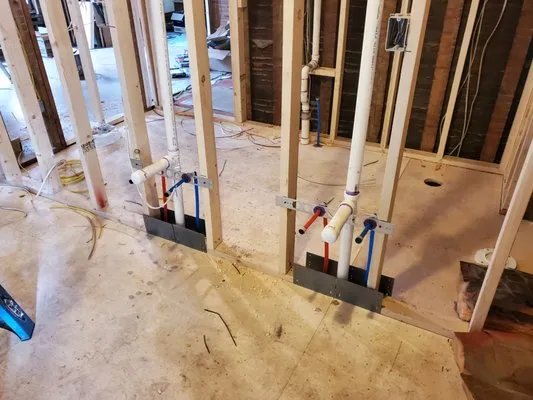
My Plumber is a licensed plumbing service provider serving the Cheektowaga and Buffalo areas with over 15 years of experience. We offer a comprehensive range of services including sewer drain cleaning...
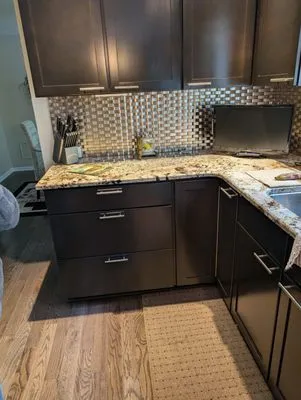
The Handymen serves West Seneca homeowners with a comprehensive range of repair, installation, and maintenance services. From plumbing and electrical work to drywall, painting, and tile, we handle the...
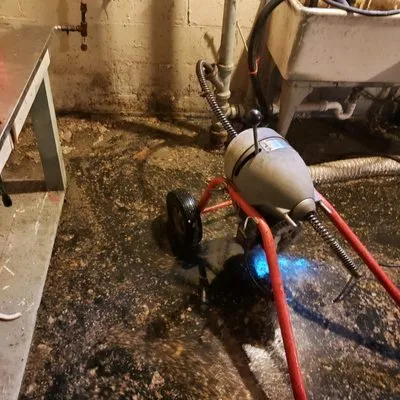
Military Mechanical
Military Mechanical is a trusted plumbing and HVAC service provider serving Buffalo, NY homeowners with reliable solutions for common local issues. We specialize in addressing problems like water heat...
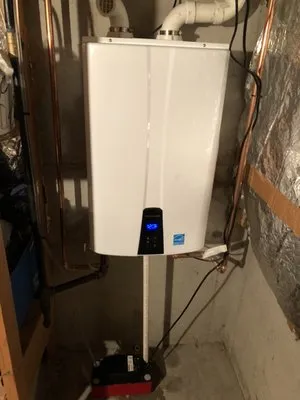
Bright Star Plumbing and Contracting
Bright Star Plumbing and Contracting is a fully licensed and insured plumbing company serving both residential and commercial clients in Niagara Falls, NY. We are honest plumbers committed to providin...
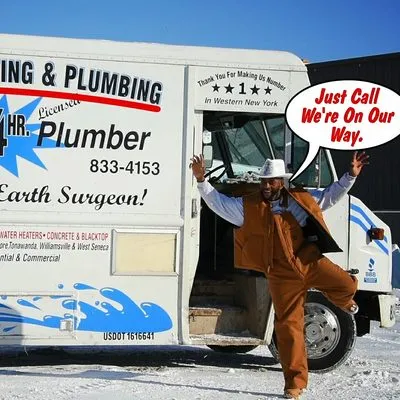
Nelson's Heating & Plumbing
Nelson's Heating & Plumbing is a trusted, family-owned service provider serving Buffalo, NY, and the surrounding communities. With decades of local experience, we specialize in comprehensive heating, ...
Estimated Plumbing Costs in Niagara, NY
Frequently Asked Questions
Does Niagara River water damage plumbing fixtures?
Hard water from the Niagara River causes scale buildup that reduces fixture performance over time. Water heaters accumulate sediment that decreases efficiency and can lead to premature tank failure. Faucet aerators and showerheads clog with mineral deposits, requiring frequent cleaning. Installing a water softener helps, but older galvanized pipes still trap scale internally.
What should Niagara homeowners do before spring thaw?
Insulate exposed pipes in crawl spaces and basements before temperatures drop to 18°F. Check outdoor spigots for proper drainage to prevent freezing. During spring thaw, monitor for new leaks as ground movement stresses older pipes. A pro-tip: keep cabinet doors open on cold nights to let warm air reach pipes under sinks. These simple steps prevent most winter emergencies in our snow belt climate.
Why do old galvanized pipes in Niagara suddenly start leaking?
After 77 years, galvanized steel develops pinhole leaks where corrosion has eaten through the pipe wall. Joint calcification is another common failure—mineral deposits build up at connections until the pipe cracks under pressure. These issues often appear first at elbows and tees where water turbulence accelerates wear. Complete pipe replacement becomes necessary once multiple leaks develop.
How long do galvanized steel pipes last in older Niagara homes?
Galvanized steel pipes installed around 1949 are now 77 years old. Homeowners in DeVeaux are seeing widespread rust buildup and reduced water pressure as the zinc coating has completely worn away. At this age, the steel itself corrodes from the inside out, creating rough surfaces that trap mineral deposits. Many houses now need full repiping to avoid sudden failures.
How quickly can a plumber reach DeVeaux from Niagara Falls?
Heading past Niagara Falls on I-190, our dispatch route takes 20-30 minutes depending on traffic. We monitor road conditions year-round, especially during winter months when lake-effect snow affects travel times. This predictable response window lets us schedule appointments efficiently while maintaining emergency availability for burst pipes or water heater failures.
How does municipal water pressure affect older Niagara homes?
Municipal water pressure in urban Niagara Falls averages 60-80 PSI, which stresses aging galvanized pipes. Tree roots frequently invade older sewer laterals, causing backups that require hydro-jetting. We recommend pressure-reducing valves for homes with original plumbing to extend pipe life. Regular camera inspections of sewer lines catch root intrusion before it becomes an emergency.
Who handles plumbing permits and code compliance in Niagara Falls?
I coordinate directly with the Niagara Falls Code Enforcement Department for all required permits. My New York State Department of State Division of Licensing Services credentials ensure work meets current code standards. Homeowners don't need to navigate inspection schedules or paperwork—I handle the red tape so you don't have to. This includes pressure tests, material approvals, and final sign-offs.
Does Niagara's low-lying terrain affect plumbing systems?
Low-lying areas around Niagara Falls experience poor drainage that saturates soil around main lines. This constant moisture accelerates corrosion on buried galvanized pipes. During heavy rains, water table rise can put hydrostatic pressure on basement drains and sewer lines. Proper grading away from foundations and regular drain cleaning help mitigate these terrain-related stresses.
