Top Emergency Plumbers in Niagara Falls, NY, 14301 | Compare & Call

There are 143 plumbing companies server in Niagara Falls NY

Jon the Plumber is a family-owned plumbing service serving Buffalo, NY, and surrounding suburbs. Founded by Jon, a lifelong Buffalo resident who started plumbing in 2004, the business is built on loca...
Frank's Mr. Plumber brings reliable, Nexstar-certified plumbing solutions to Tonawanda and the greater Buffalo area. We operate on the principle that while no one loves to call a plumber, you should b...

Zirpoli Plumbing is a trusted, locally-owned and operated plumbing service proudly serving Buffalo, NY, and the surrounding communities. As a fully licensed and insured company, we bring years of hand...
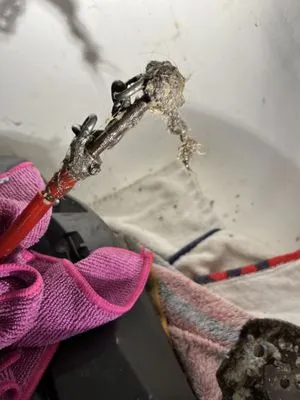
Reliable Repairs Handyman Service is your trusted local handyman in Lockport, NY, specializing in comprehensive plumbing solutions to keep your home running smoothly. We understand that home upkeep sh...
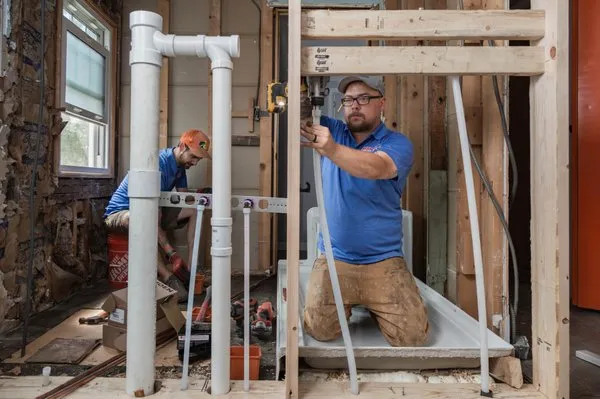
T-Mark Plumbing, Heating, Cooling & Electric - Clarence
For over 18 years, T-Mark Plumbing, Heating, Cooling & Electric has been a trusted name serving homeowners and commercial clients throughout Western New York. Founded and operated by local residents J...
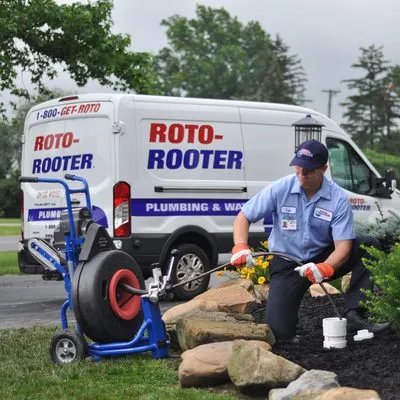
Roto-Rooter Plumbing & Water Cleanup
Roto-Rooter Plumbing & Water Cleanup has been a trusted resource for Buffalo, NY, homeowners and businesses for years. We are fully staffed and ready to help 24 hours a day, 7 days a week, with no ext...

Sewer Pro Plumbing
Sewer Pro Plumbing has been serving Cheektowaga homeowners for over 30 years with reliable residential plumbing solutions. As a licensed and insured local business, we provide comprehensive services i...
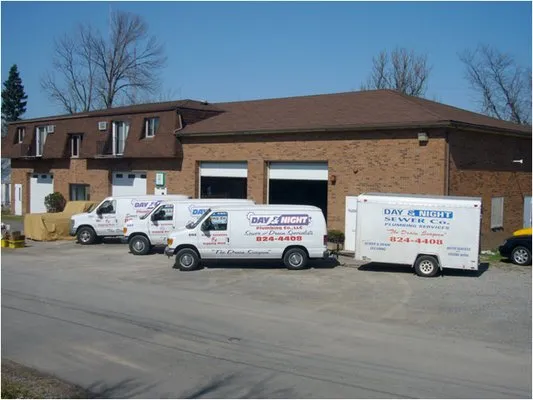
Day & Night Plumbing is a trusted, full-service plumbing company serving Buffalo homeowners and businesses. We understand the common local frustrations like low water pressure and garbage disposal jam...
Mark's Plumbing Inc has been serving Tonawanda, NY and surrounding communities like Amherst, Buffalo, Clarence, Cheektowaga, Grand Island, and Kenmore since 1982. Founded by Mark, a licensed Master Pl...
Zenner & Ritter
Zenner & Ritter is a family-owned and operated home services company that has been a cornerstone of the Buffalo, NY community since the late 1920s. Under the leadership of Barbara and her son Brian, t...
Estimated Plumbing Costs in Niagara Falls, NY
Questions and Answers
My main sewer line is backing up. Is this a city problem or my responsibility?
In this urban setting, you own the lateral line from your house to the city's main sewer tap in the street. Tree roots seeking moisture are a primary cause of blockages and breaks in these older lines. Municipal water pressure is generally consistent, but a sudden drop could indicate a breach in your service line. Clearing or repairing the lateral is almost always the homeowner's responsibility, not the city's.
Does water from the Niagara River damage my water heater or fixtures?
The mineral content in our hard water leads to scale buildup. Inside a water heater, this sediment acts as an insulator, forcing the unit to work harder and fail sooner. On faucet cartridges and shower valves, the scale accumulates and restricts flow, causing low pressure or a complete loss of function. Anode rod depletion in the heater also accelerates in hard water, leaving the tank vulnerable to corrosion.
Our house in DeVeaux was built in the late 1940s. What kind of plumbing issues should we expect now?
Pipes installed in 1949 are 77 years old as of 2026. Galvanized steel, the standard material then, has a service life of 50 to 70 years. What you will see is not a single problem, but a systemic failure. The interior walls of the pipes have likely corroded down to a fraction of their original diameter, causing a severe drop in water pressure at every faucet. In many cases, sections of pipe are so brittle they can be crushed by hand.
Why are my old galvanized pipes suddenly leaking from multiple spots?
Galvanized steel corrodes from the inside out. After 77 years, the zinc coating is gone and the base steel is rusting through. This creates pinhole leaks, often in clusters, as the pipe wall fails. Joints are particularly vulnerable; the threaded connections corrode and calcify, losing their seal. Replacing one leak rarely solves the issue, as the surrounding pipe is in the same weakened condition.
What's the most important thing to do with my plumbing before a deep Niagara winter?
The critical pro-tip is to shut off and drain any exterior water lines, including irrigation systems and outdoor hose bibs, before temperatures hit 18°F. A frozen pipe in an unheated crawl space or against an exterior wall can burst in hours. Pay special attention during the spring thaw, as the repeated freeze-thaw cycles put immense stress on pipe joints and can reveal new weaknesses.
Do I need a permit to replace my water heater or repipe my house?
Yes. The Niagara Falls Code Enforcement Department requires permits for major plumbing work to ensure it meets current code for safety and insurance. As a master plumber licensed through the New York State Department of State Division of Licensing Services, I pull all necessary permits, schedule inspections, and handle the red tape so you don't have to. This protects your investment and ensures the work is documented for future home sales.
How fast can a plumber get to my house in DeVeaux for an emergency?
Heading past Niagara Falls State Park on I-190, the transit to DeVeaux is direct and usually clear. That route allows for a consistent 20 to 30 minute response from dispatch to your driveway. Traffic around the park can slow in summer, but off-season and emergency calls typically see the fastest times. We plan routes around real-time conditions to meet that window.
Could the flat, low-lying land near the park be causing my slow basement drains?
Low-lying terrain affects drainage in two ways. First, the flat slope provides little natural gradient for waste lines, allowing solids to settle rather than being carried away. Second, during heavy rain or rapid snowmelt, the high water table can put external hydrostatic pressure on your main sewer line, impeding flow or even causing groundwater infiltration through pipe joints. This constant stress can lead to premature line failure.
