Top Emergency Plumbers in Minisink, NY, 10933 | Compare & Call

There are 236 plumbing companies server in Minisink NY
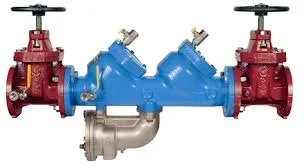
WaterBoyz Backflow Testing and Repairs LLC is a trusted local plumbing service in Allentown, PA, specializing in backflow assembly testing, maintenance, and repairs. Our expert technicians ensure your...
Billy Fix-It-All Handyman provides reliable home repair services for the Hawley community and surrounding counties. With over two decades of experience, we specialize in solving everyday household pro...
RBA Transformations
RBA Transformations is a Bushkill-based general contractor with years of experience serving the local community. We specialize in building additions, deck construction, repair, and replacement, along ...

LW Construction is your trusted local plumbing and HVAC expert serving Lackawaxen, PA, and the surrounding areas. We specialize in a comprehensive range of services, including bathtub, shower, sink, a...
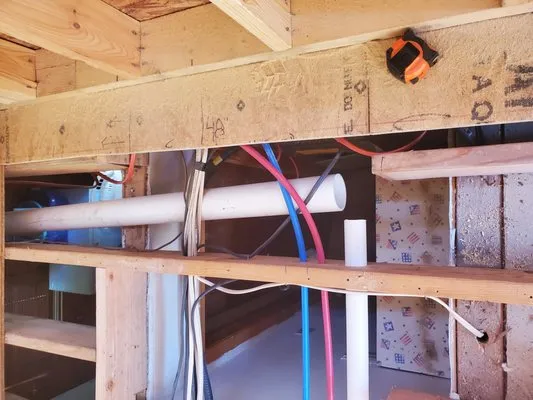
Tri-County Plumbing And Drain Cleaning is your trusted local plumbing expert serving Milford, PA, and the surrounding areas. We specialize in faucet repair, plumbing inspections, and comprehensive plu...

Guardian Plumbing & Drain is a trusted, woman-owned and operated plumbing service proudly serving Milford and the surrounding area for over 25 years. We are your local professionals, committed to taki...
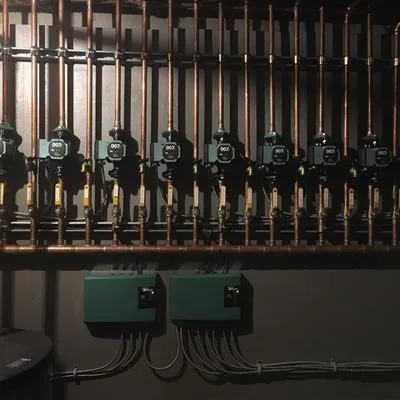
Phoenix Plumbing
Phoenix Plumbing is a trusted, locally-owned plumbing service that has been serving Milford, PA, and the surrounding areas since 2007. We are a team of licensed and insured professionals dedicated to ...
Aquarius Plumbing & Electric
Aquarius Plumbing & Electric has been a trusted provider in Dingmans Ferry and North East Pennsylvania for over 30 years. We offer a comprehensive range of plumbing and electrical services, from routi...
Peaceful Plumbing is a trusted local plumbing service based in Dingmans Ferry, PA, dedicated to providing reliable solutions for residential and commercial plumbing needs. We specialize in a comprehen...
John McCaslin Plumbing & Heating
John McCaslin Plumbing & Heating has been serving Milford, PA, and the surrounding Pike County area since 1980. Founded by John McCaslin, a lifelong local resident who began his career working alongsi...
Estimated Plumbing Costs in Minisink, NY
Frequently Asked Questions
Why do my copper pipes keep springing small leaks?
Copper pipes from the early 1980s often develop pinhole leaks due to a combination of age and our local water chemistry. The hard water in Minisink causes gradual erosion inside the pipes, particularly at joints where water flow creates turbulence. Over 44 years, this wear becomes visible as tiny holes that spray water under pressure. These leaks typically appear first in horizontal runs and at solder joints.
Could my home's hillside location cause drainage issues?
Hilly terrain around Minisink Town Park creates drainage challenges that stress main water lines. Downward slope puts constant pressure on pipe joints, while soil shifting during freeze-thaw cycles can cause alignment issues. Proper grading away from your foundation prevents water from pooling near the main entry point. I often install additional support brackets on sloped properties to distribute stress along the pipe length rather than concentrating it at connections.
My copper pipes are from 1982 - what should I expect at this age?
Copper plumbing installed around 1982 is now 44 years old. Homeowners in Unionville are seeing pinhole leaks develop in their pipes, especially at joints and elbows where water turbulence causes erosion. This age also brings increased risk of pipe wall thinning from decades of mineral interaction with our hard water. Many systems from this era need partial replacement or full re-piping to avoid recurring leaks.
How quickly can a plumber reach my home in Minisink?
Heading past Minisink Town Park on I-84 gets me to most addresses within 45-60 minutes. I plan routes that avoid seasonal bottlenecks and know the back roads when main routes get congested. This dispatch time accounts for our rural layout while ensuring I arrive prepared with the right tools for copper repairs.
What should I do before spring thaw to prevent plumbing problems?
Before temperatures rise above freezing consistently, disconnect garden hoses and drain outdoor faucets. Check exposed pipes in crawl spaces for insulation gaps, as the 18-degree winter lows can cause residual damage that shows up during thaw. Monitor your water pressure during rapid temperature swings—sudden changes can reveal weak spots in older copper systems. Keeping your heat at a consistent temperature during transitional periods helps prevent freeze-related leaks.
Does hard water from my well damage plumbing fixtures?
Hard water from private wells causes scale buildup that reduces water heater efficiency by up to 30% over time. Mineral deposits accumulate inside water heaters, requiring more energy to heat the same amount of water. Fixtures like showerheads and faucet aerators clog with calcium deposits, reducing water pressure. Installing a whole-house water softener protects your plumbing investment and maintains fixture performance.
How does rural living affect my plumbing maintenance needs?
Private wells and septic systems require different maintenance than municipal services. Well pumps need regular pressure checks, and the lack of water treatment means your pipes face raw mineral content directly. Septic systems dictate careful water usage patterns to avoid overloading the drain field. I recommend annual well water testing and septic inspections every 3-5 years, coordinated with plumbing assessments to catch issues before they become emergencies.
Who handles permits for plumbing work in Minisink?
I manage all required paperwork with the Town of Minisink Building Department and maintain active licensing through the New York State Department of State Division of Licensing Services. This includes pulling permits for re-piping, water heater replacements, and well system modifications. Handling the red tape ensures your project meets local codes without adding administrative burden to your schedule. My credentials are current and available for verification before any work begins.
