Top Emergency Plumbers in Meredith, NY, 13753 | Compare & Call

There are 240 plumbing companies server in Meredith NY
My journey in hands-on repair started young, right in the basement of my childhood home. At age eleven, I found some wire and an outlet on my dad's workbench and decided to install it myself. I manage...
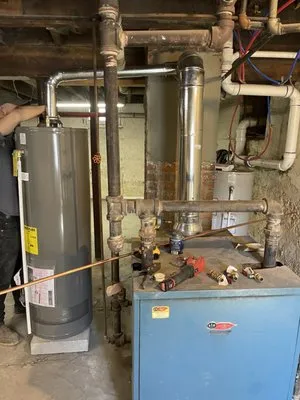
Dan Kratz Jr Plumbing & Heating is a trusted family-owned plumbing and heating service in Hanover Township, PA, with over 20 years of experience. As a fourth-generation plumber, Dan Kratz Jr. brings d...
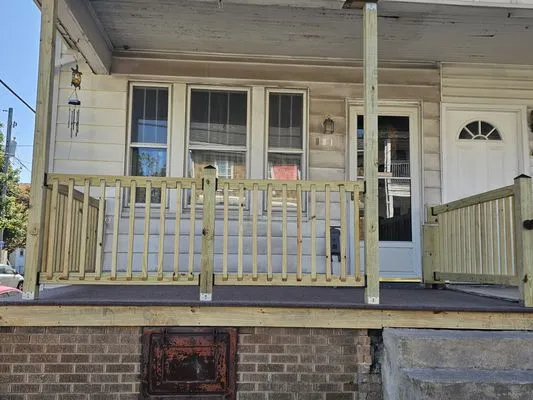
Lynn's Handyman Services is a trusted local provider in Tamaqua, PA, offering comprehensive home repair and maintenance solutions. With expertise spanning appliance installation and repair, plumbing, ...
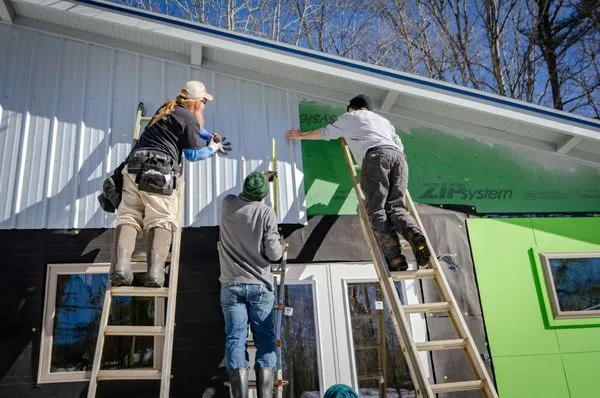
Knights For Christ is a faith-based remodeling and construction company serving the Freeland, PA community. We provide a comprehensive range of home improvement services, from kitchen and bathroom ren...
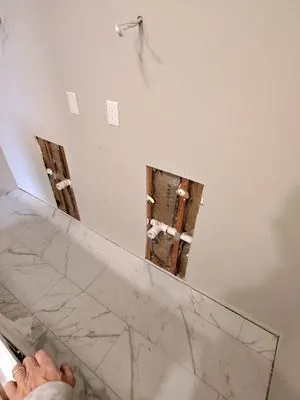
M&E Hvac Plumbing Solution's
M&E HVAC Plumbing Solutions is a Scranton-based family business built on a simple, powerful idea: a comfortable, safe home should also be a responsible one. Founded by Mike, a recently married father ...
Bill The Plumber is a trusted, veteran-owned plumbing and HVAC service based in Clarks Summit, PA, serving homeowners and businesses throughout Lackawanna, Luzerne, and Wyoming Counties since 2020. We...
Founded by a veteran plumber with over a decade of experience, NEPA Plumbing Solutions was born from a desire to build a different kind of company—one that values fairness for both its team and its cu...
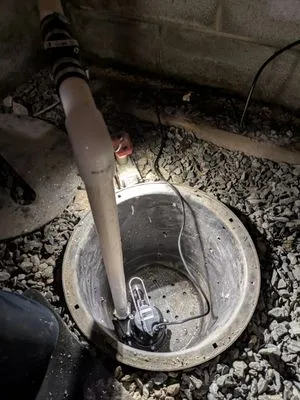
Drain-Flo is your trusted local plumbing partner in Duryea, PA. We specialize in thorough plumbing inspections to identify and resolve the common issues many area homeowners face, such as pipe joint l...
Billy Fix-It-All Handyman provides reliable home repair services for the Hawley community and surrounding counties. With over two decades of experience, we specialize in solving everyday household pro...
TE Spall & Son
T.E. Spall & Son is a family-owned and operated HVAC and plumbing service serving Carbondale and the wider Northeastern Pennsylvania community for over 30 years. Founded by Thomas E. Spall, who holds ...
Estimated Plumbing Costs in Meredith, NY
FAQs
How quickly can a plumber get to my house if I'm on a back road?
From our base, the dispatch route heads past the Delaware County Historical Association on State Route 28. This main artery connects us to most of the town's side roads. Typical response times run 45 to 60 minutes, factoring in the rural distances and elevation changes off the main highway.
Are there special considerations for plumbing in a rural area like Meredith?
Rural plumbing here revolves around the private well and septic system, which are your responsibility. Well pump pressure switches and tanks need regular maintenance. The septic system's health is directly tied to what goes down your drains; avoid garbage disposals and chemical drain cleaners that can kill the necessary bacteria and lead to costly drain field failure.
What permits are needed to replace a water heater or repipe my house?
Most plumbing work requires a permit from the Town of Meredith Code Enforcement Office. As a Master Plumber licensed by the New York State Department of State, I handle filing the paperwork, scheduling inspections, and ensuring the work meets all code requirements for wells and septic systems. This manages the red tape for you, ensuring the job is documented and legally compliant.
My home's water pressure has dropped and I see rust in the sink. What's happening with my old pipes?
Homes built around 1961 in Meredith Center are seeing galvanized steel pipes reach a critical 65-year mark. The interior zinc lining has fully deteriorated, leaving the bare iron to rust. This leads to significant internal scale buildup, restricting water flow and causing the low pressure you're noticing. The rust-colored water is a direct sign the pipe walls are thinning and pinhole leaks are imminent.
Why do my pipes keep springing small leaks even after patching?
A 1961-era galvanized steel system fails in predictable ways. Pinhole leaks are common as pipe walls thin from internal corrosion. More critically, the threaded joints calcify and lose their seal because the original pipe dope and tape have degraded over six decades. A patch on one weak spot often just shifts the pressure, causing another leak nearby in the compromised line.
What's the most important thing to do before winter to avoid a plumbing disaster?
The key pro-tip for our temperate climate is to disconnect and drain all outdoor hoses before the first hard freeze, which can hit 12°F. More critically, know where your main water shut-off valve is located. During the spring thaw, when frozen ground shifts, a pipe can burst. Being able to shut the water off immediately can prevent thousands of dollars in water damage.
Does having a private well make my water heater fail faster?
Yes, the hard water common to Meredith's private wells accelerates scale buildup inside the water heater tank and on its heating elements. This insulating layer of mineral scale forces the unit to work harder, reducing efficiency and lifespan. You'll also see similar scaling on faucet aerators and showerheads, which restricts flow and can cause premature valve failure.
Could the hilly land around my property be causing my drainage problems?
Absolutely. The sloping terrain common around areas like the Historical Association puts constant, uneven stress on buried main water lines and drain pipes. This can lead to sagging sections in drain lines that collect debris, or stress fractures in supply lines. Gravity works against you on hillsides, making proper pitch for waste lines and secure anchoring for supply lines critical.
