Top Emergency Plumbers in Mentz, NY, 13140 | Compare & Call

There are 110 plumbing companies server in Mentz NY
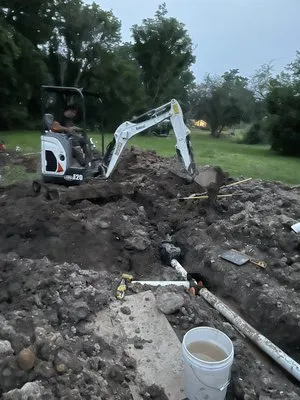
Jetter Drains is a trusted plumbing service provider in Dickson City, PA, specializing in a wide range of solutions from drain and sewer services to comprehensive plumbing and septic system work. We h...
AP Plumbing is a family-owned, licensed, and insured plumbing service that has been serving the Greater Rochester area since 1986. We provide comprehensive residential and commercial plumbing solution...
Vacchetto's Handyman Services is a trusted local provider in Clyde, NY, offering comprehensive home maintenance and repair solutions. We specialize in appliance installation and repair, plumbing servi...

Vanguard Plumbing brings over 13 years of professional expertise to Hamlin, NY, focusing on honest, reliable service for every household. Founded on the principle that integrity comes first, we built ...
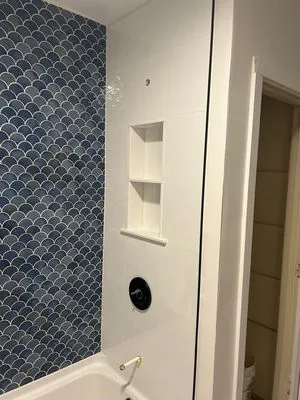
Maroney's Enterprise is a family-operated home services company in Walworth, NY, built on a lifelong passion for skilled trades. With over 17 years of hands-on experience and serving the community sin...

Mr Rooter Plumbing
Mr. Rooter Plumbing of Rochester is your local, independently owned and operated plumbing service, built on a foundation of trust established over 50 years ago. We bring the reliability of a national ...
Main Line Plumbing
Main Line Plumbing is a licensed plumbing service founded in January 2021, serving Spencerport, NY, and the surrounding Rochester area. While the company is relatively new, our team brings over 75 yea...
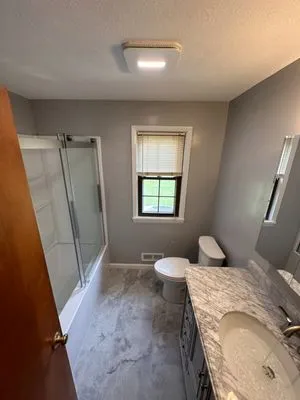
DT Plumbing & Remodeling has been a trusted name in Webster, NY, and across Monroe County for over 25 years. We provide fast, friendly, and reliable plumbing and remodeling services, backed by a commi...
Ryan
Ryan Plumbing, Heating, Air Conditioning and Fire Protection, L.L.C. is a full-service mechanical company serving the Greater Rochester, NY region since 1999. Founded as an extension of a family-owned...
Halco
Founded in 1984 by Hal Smith, Halco has grown from a single local operation into a trusted, multi-location business serving Upstate New York. For nearly 40 years, Halco has built its reputation in Liv...
Estimated Plumbing Costs in Mentz, NY
Question Answers
How long does it take to get a plumber in Mentz, NY?
From our shop, the dispatch route typically heads past Erie Canal Heritage Park to catch I-90. That puts us in your driveway in 45 to 60 minutes for an emergency call. Traffic on the Thruway is usually reliable, but we factor in extra time during heavy lake-effect snow or the morning commute. Knowing the main arteries keeps our response consistent.
Do I need a permit to replace my water heater in Mentz?
Most plumbing work, including water heater replacement, requires a permit from the Town of Mentz Code Enforcement Office. As a master plumber licensed by the New York State Department of State Division of Licensing Services, I handle pulling that permit and scheduling the required inspections. My credentials ensure the work meets all current code, which protects your home's value and safety. You won't have to navigate the red tape yourself.
Does Owasco Lake water damage my plumbing?
Water drawn from Owasco Lake is hard, meaning it has a high mineral content. Over time, that mineral scale builds up inside pipes, water heaters, and faucet cartridges. In a water heater, scale acts as an insulator, forcing the unit to work harder and fail sooner. You'll notice it first as reduced flow from fixtures and a need for more detergent. A water softener is a common local upgrade to manage this.
How do I protect my pipes from freezing in a Mentz winter?
Our lows can hit 15°F, but the real risk comes during the spring thaw when frozen ground shifts pipes. A pro-tip for this snow belt is to disconnect and drain your garden hoses in the fall and shut off the interior valve to those spigots. Insulating pipes in unheated crawl spaces is also critical. The goal is to prevent ice from forming in the first place, as a burst pipe during a thaw can cause significant water damage.
What's the most common plumbing repair for a 1958 house?
Galvanized steel from that period fails from the inside out. Joint calcification is a frequent issue, where mineral deposits completely fuse threaded fittings shut. You might also see pinhole leaks at pipe elbows, where turbulent water has worn through the thinnest spots. Full-section replacement is often the only permanent fix, as patching one leak just moves the pressure to the next weakest point.
Why are so many old homes around here having pipe problems all of a sudden?
Houses built in the late 1950s, common in this area, used galvanized steel for plumbing. That material is now 68 years old. Its zinc coating has worn away, and the bare steel inside rusts, reducing water pressure and flow. Over the past few years, homeowners from Mentz to Port Byron have hit a critical failure point where entire pipe sections begin to plug up or spring pinhole leaks. This isn't a coincidence; it's the predictable lifespan of that era's infrastructure.
Is well and septic maintenance different in a rural town like Mentz?
Rural systems require a different focus. For wells, checking the pressure tank and monitoring for sediment from Owasco Lake aquifer sources is key. Septic systems need regular pumping every 3-5 years, and the hilly terrain means drain fields must be carefully sited to function. Unlike a municipal system, you're responsible for the entire water cycle from the well cap to the septic field, so proactive maintenance avoids major emergencies.
Could the hilly land around here cause sewer problems?
Yes, the slope of the land, similar to the terrain around Erie Canal Heritage Park, directly affects drainage. A main sewer line running downhill can experience increased pressure and joint stress. Conversely, lines in a depression can collect debris and cause backups. Proper grading around your foundation is essential to direct surface water away and prevent it from overloading the system or seeping into basements.
