Top Emergency Plumbers in Manorville, NY, 11949 | Compare & Call

There are 234 plumbing companies server in Manorville NY
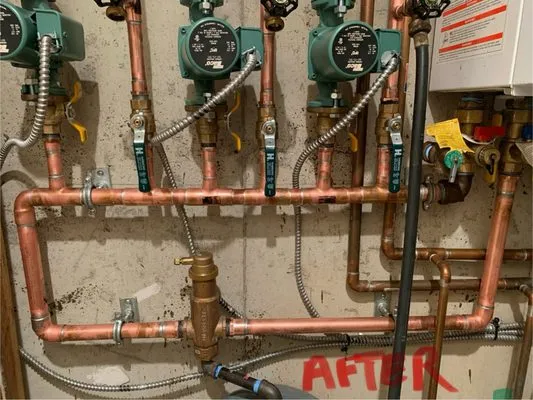
GME Plumbing & Heating
GME Plumbing & Heating is a locally owned and operated business serving Bronx Park and the surrounding areas since 2008. Founded on a commitment to integrity and reliable service, we focus on providin...
MKC Plumbing & Heating
MKC Plumbing & Heating was founded by a team of experienced plumbers with a clear mission: to provide reliable residential and commercial plumbing services for Long Island. We are committed to deliver...
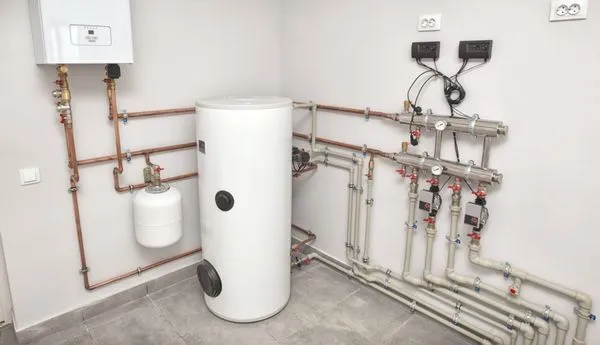
Oh Gush Sewer & Drain SVC is a locally-owned plumbing business serving New York, NY since 2019. We provide 24-hour emergency plumbing services with a focus on water heater installation and repair, dra...

All Day Plumbing & Heating Corp
All Day Plumbing & Heating Corp is a licensed and insured contractor with over 30 years of leadership experience serving Queens and the greater New York City area since 1994. We provide comprehensive ...
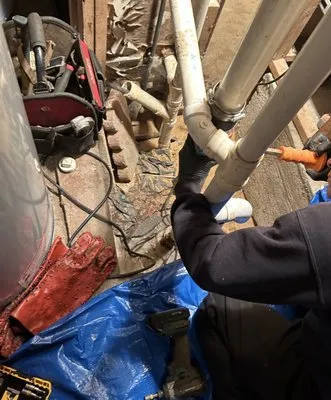
CityWide Plumbing - Sewer & Drain
CityWide Plumbing - Sewer & Drain has been serving Carle Place and the greater New York area since 1952, providing reliable plumbing solutions for both residential and commercial needs. As the manager...
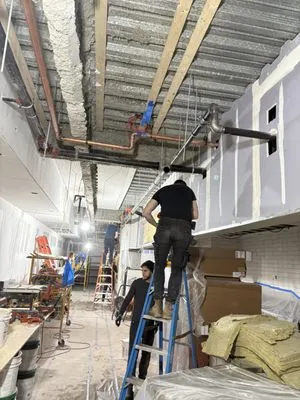
Founded in 2005 by experienced, licensed plumbers, Ms Plumbing Corp was built on a passion for solving problems and a commitment to honest, transparent service. We started as apprentices and built a c...
Lav Handy Work is a Brooklyn-based handyman service dedicated to providing reliable solutions and the best value for local homeowners. Founded on a simple principle—fix it first before replacing it—th...
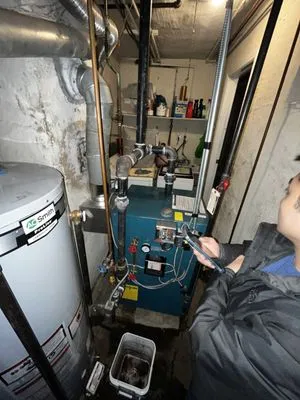
SS Plumbing & Heating has been a trusted provider of plumbing and heating solutions for New York homeowners and businesses for over a decade. Our focus is on complete client satisfaction, delivered by...
Affordable Plumbing Repair is your trusted local plumbing service in Staten Island, NY, dedicated to resolving common household plumbing issues that many residents face. We specialize in addressing to...
Vertigo Plumbing and Heating
Vertigo Plumbing and Heating has been a trusted local service in East Elmhurst since 1990, founded by master plumber Martin. With over three decades of hands-on experience, Martin leads a team of lice...
Estimated Plumbing Costs in Manorville, NY
Questions and Answers
How fast can a plumber get to my house in Manorville?
A local plumber based near Manorville Hills County Park would head out County Road 111 to the Long Island Expressway (I-495). Traffic on the LIE dictates most of the trip. From dispatch to your door, a 45 to 60 minute window is standard for non-emergency calls during the day. For urgent issues like a major leak, that timeline tightens, but the route is straightforward once we're on the expressway.
Do I need a permit from Brookhaven to replace a water heater?
Yes, the Town of Brookhaven Building Department requires a permit for water heater replacement. The Suffolk County Department of Labor, Licensing and Consumer Affairs also mandates that the work be performed by a licensed master plumber. I pull those permits and schedule the required inspections as part of the job. Handling that red tape ensures the installation meets current code for safety and expansion tank requirements, and it protects your home's value and insurance coverage.
What's the one plumbing thing I should do before spring on Long Island?
Before the spring thaw hits its peak, disconnect and drain your garden hoses. A hose left connected traps water in the outdoor faucet and the pipe behind the wall. When that water freezes during a cold snap—we still see lows around 24°F—it expands and can split the faucet or the interior pipe. Thawing then causes a major leak inside your wall. This simple five-minute task prevents one of the most common and destructive seasonal calls we get.
Could the flat land around here cause drainage problems for my pipes?
The plain terrain around Manorville Hills County Park means water doesn't run off quickly. For your home's drainage, this can lead to saturated soil around the foundation and your main sewer line. That constant moisture stresses pipe joints and can allow tree roots to infiltrate more easily seeking water. For septic systems common here, a high water table in flat areas can also hinder drainage from the leach field, causing backups. Proper grading away from the house is critical.
Why does my 1990s copper pipe keep springing pinhole leaks?
Copper from that era, especially with our local water chemistry, is prone to pinhole leaks due to a process called Type I pitting. Microscopic imperfections in the pipe wall, combined with mineral content from private wells, create localized corrosion cells. After 30+ years, these spots corrode through the pipe wall. You'll often find clusters of these leaks in a single horizontal run, not random failures. It's a material lifespan issue, not a flaw in the original installation.
Is plumbing different in a suburban area like Manorville versus a city?
The main difference here is the source. You're on a private well and likely a septic system, not municipal water and sewer. That means you're responsible for the entire system, from the well pump and pressure tank to the septic field. Water pressure is controlled by your own equipment, not the town. Also, without public sewer, a blockage or failure in your main drain line immediately backs up into the house, requiring more urgent attention than a city lateral might.
Our Manorville house was built in 1993. Should I be worried about the plumbing?
Copper pipe installed in 1993 is now 33 years old. In Manorville Center, that age means homeowners are starting to see predictable issues. The internal surface of the pipe wears thin over decades of water flow, leading to pinhole leaks that often appear first at elbows and solder joints. It's not an immediate crisis for every home, but this is the typical lifespan where proactive inspection or targeted replacement of problem sections becomes cost-effective compared to emergency repairs.
Does hard well water damage my plumbing fixtures?
Hard water from a private well deposits scale, primarily calcium carbonate, inside pipes and appliances. Water heaters suffer the most; scale buildup on the heating elements reduces efficiency and can cause premature failure. For fixtures, aerators and showerheads clog regularly, and scale can seize the moving parts inside cartridge valves. Over years, this mineral accumulation also gradually restricts flow through your pipes, lowering water pressure throughout the house.
