Top Emergency Plumbers in Maine, NY, 13760 | Compare & Call

There are 37 plumbing companies server in Maine NY
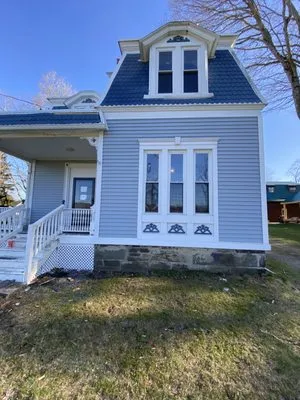
Trinity Handyman Services is a trusted local provider in Montrose, PA, offering comprehensive home maintenance and repair solutions. With expertise spanning appliance installation and repair, plumbing...
NEPA Handyman serves homeowners and businesses in Montrose, PA, providing reliable repair and installation services to keep local properties functioning smoothly. Many Montrose homes face common issue...
R and R Contracting is a true Hallstead family business, proudly serving our neighbors for over 20 years. Founded by my grandfather and now operated by me, our hands-on approach means I'm right there ...
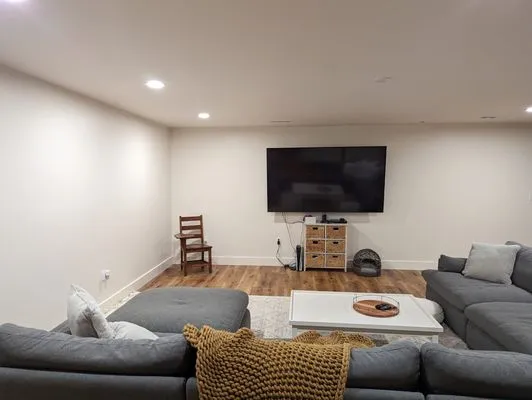
Craig Can Help is your trusted local handyman service in Sidney Center, NY, specializing in a wide range of home maintenance and improvement tasks. From handyman assembly and repair to door installati...
SouthernTier Basement Systems
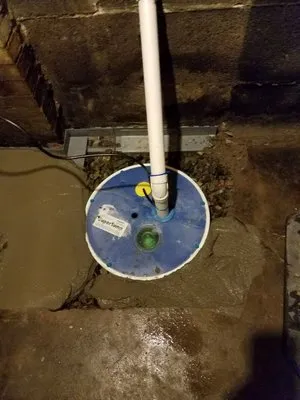
SouthernTier Basement Systems is a locally owned and operated basement waterproofing and crawl space repair contractor serving the Southern Tier of New York, including Endwell, since 2009. As your loc...
Precision Home Improvements & Property Management
Precision Home Improvements & Property Management helps Cincinattaus homeowners enhance and maintain their properties. We understand that your home is your sanctuary, and sometimes it needs to adapt—w...
AMR Construction is a family-owned and operated business serving Binghamton, Broome County, Tioga County, and the surrounding Southern Tier. With over 15 years of hands-on experience, owner Anthony M....
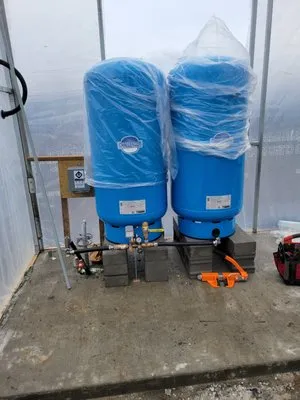
For over a decade, EZ-CO Plumbing has been the trusted local plumbing service for Sherburne, NY, and the surrounding communities. Founded and operated by Mike, the company is built on a passion for re...

Appolo Heating
Appolo Heating is a trusted HVAC and plumbing service provider serving Endicott, NY, and the surrounding areas. With a focus on reliable heating, cooling, and indoor air quality solutions, we prioriti...
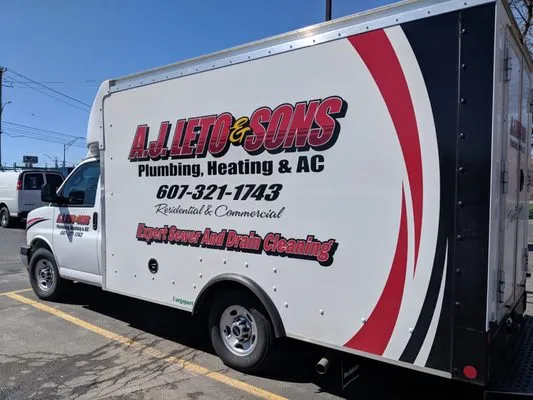
A J Leto & Sons is a family-owned plumbing, heating, and air conditioning service based in Johnson City, NY, with over 30 years of experience serving the local community. As a licensed and insured bus...
Estimated Plumbing Costs in Maine, NY
Frequently Asked Questions
How quickly can a plumber reach my home in this area?
Heading past Maine Memorial Park on NY-26, most service calls take 45-60 minutes from dispatch. That route covers the main access through our hilly terrain, with some homes requiring additional time down private drives. We factor in seasonal conditions like spring thaw when estimating arrival times for emergency calls.
How does the hilly landscape affect my home's drainage system?
The slope around Maine Memorial Park creates drainage challenges where water follows the path of least resistance. Downhill properties experience increased hydrostatic pressure on foundation drains, while uphill homes deal with soil erosion exposing buried lines. This terrain stress can cause main line shifts over time, leading to separated joints or cracked pipes that require specialized slope-compensating installation techniques.
What should I do before spring thaw to prevent plumbing problems?
Before temperatures rise above freezing, disconnect garden hoses and drain outdoor faucets completely. Insulate exposed pipes in crawl spaces where cold air lingers, as our 14°F winter lows can cause residual ice dams to shift during thaw. Check your main shutoff valve operates smoothly—spring is when hidden leaks from winter freeze damage often reveal themselves.
Why do my older copper pipes keep developing small leaks?
Copper pipes from 1971 often fail at solder joints due to galvanic corrosion between dissimilar metals. The solder used in that era reacts with our mineral-rich well water, creating weak points where leaks develop. Joint calcification from decades of mineral buildup also stresses these connections, making them more prone to failure during temperature changes.
My copper pipes are from the 1970s - what should I expect as they age?
Copper plumbing installed around 1971 is now 55 years old. Homeowners in Maine Hamlet often notice pinhole leaks appearing in straight pipe runs, especially near elbows and joints where water turbulence accelerates wear. This happens because decades of water flow gradually erodes the protective oxide layer inside the pipes. You might see small damp spots on walls or ceilings before major failures occur.
Does hard well water damage my plumbing fixtures and water heater?
Hard water from private wells deposits scale inside water heaters, reducing efficiency by up to 30% over time. This mineral buildup acts as insulation between heating elements and water, forcing your system to work harder. Fixtures develop reduced flow as aerators clog with calcium deposits, and shower valves wear out faster from abrasive scale particles.
Who handles permits and inspections for plumbing work in Maine?
I coordinate directly with the Town of Maine Building Department for all required permits and handle New York State Department of State compliance for well and septic modifications. This includes pressure tests, backflow prevention certifications, and system documentation—managing the red tape so homeowners can focus on their daily routines rather than bureaucratic paperwork.
Are there special considerations for plumbing in rural Maine homes?
Rural properties with private wells and septic systems require coordinated maintenance. Well pump pressure switches need regular adjustment to prevent water hammer in copper pipes, while septic tank location affects drain line slope requirements. Unlike municipal systems, well water lacks chemical treatment that inhibits corrosion, making dielectric unions crucial between dissimilar metals in your plumbing system.
