Top Emergency Plumbers in Lyme, NY, 13618 | Compare & Call

There are 67 plumbing companies server in Lyme NY
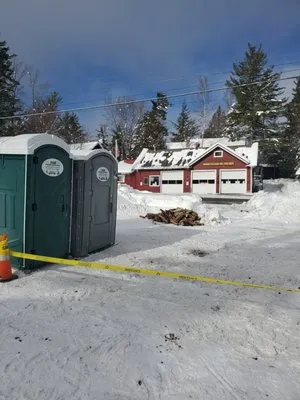
KG Septic And Sewer is a trusted, family-owned business serving Munnsville and the surrounding communities. Founded by a father and son team, we started with a simple mission: to provide honest and re...
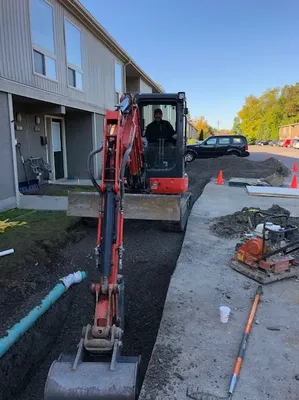
GNR Excavating
GNR Excavating is a trusted Hastings-based excavation and plumbing service with over 38 years of local experience. Owner and operator George Russell started operating heavy equipment at age 17 and has...

LaRock Backflow is a trusted plumbing service in Constantia, NY, specializing in resolving common local plumbing problems like water heater sediment buildup and dishwasher leaks. With expertise in plu...
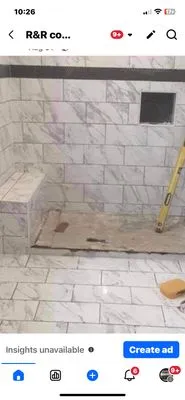
R&R Contracting has been a trusted name in Harrisville, NY, and the surrounding region since 2004. We are a full-service contracting company dedicated to improving and protecting your home. From compr...
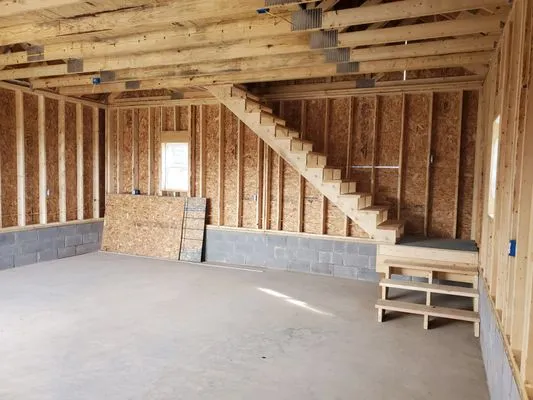
Ground Up Custom Construction is a Dexter-based contracting company founded by Michael J Contryman. With over 25 years of construction experience, Michael started the business in 2019 to focus on help...
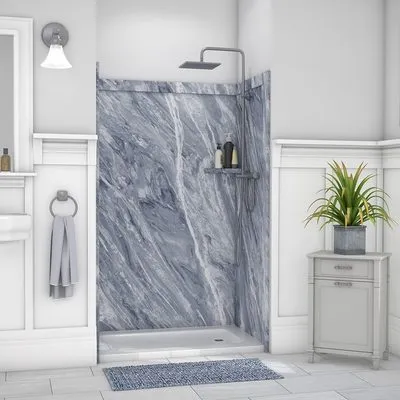
New York Bath And Shower is a trusted local provider of comprehensive bathroom and plumbing solutions in Watertown, NY. We specialize in bathroom remodeling, bathtub and shower installation and repair...
Radical Rooter is a trusted, local plumbing service based in Lyons Falls, NY, serving homeowners and businesses throughout the area. We provide a complete range of expert plumbing services, from routi...
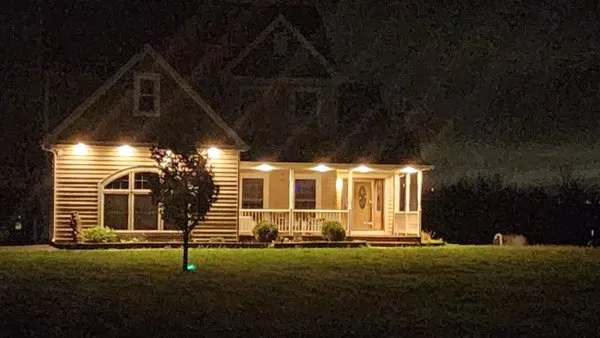
STARR Property Services is your local expert in Port Leyden, NY, specializing in essential home system inspections. We understand the common headaches local homeowners face, like persistent dishwasher...
Residential Plumbing Solutions
Residential Plumbing Solutions is a family-owned plumbing and HVAC company serving Watertown, NY, and the surrounding communities. We are dedicated to providing reliable, professional service with a p...
Hadfield Heating & Plumbing
Hadfield Heating & Plumbing is your trusted, local plumbing and HVAC expert serving Harrisville, NY, and the surrounding communities. For years, we've helped local homeowners tackle common issues like...
Estimated Plumbing Costs in Lyme, NY
Q&A
Why do my 1970s copper pipes keep springing pinhole leaks?
Copper pipes from 1971 often fail due to dezincification at brass fittings and erosion from decades of hard water flow. The original 50/50 solder joints become brittle after 55 years of thermal expansion cycles. You'll typically find these pinhole leaks first at elbows and tees where water turbulence accelerates wear. This calcification process is particularly aggressive in our Lake Ontario water supply.
Are septic system issues different in rural Lyme than in towns?
Rural Lyme properties with septic systems face unique challenges compared to municipal sewer connections. Well water systems lack the consistent pressure that clears lines, allowing solids to accumulate in drain pipes. Septic tank maintenance becomes critical with aging plumbing, as older pipes discharge more sediment. The distance between house and drain field in our rural setting requires specialized camera equipment to diagnose issues accurately.
How quickly can a plumber reach my home in Lyme from Chaumont?
Heading past Lyme Heritage Center on State Route 12E, I can typically reach most Lyme addresses within 45-60 minutes. The route follows the main corridor through the township, with minimal traffic delays outside summer weekends. This dispatch time accounts for coastal road conditions and allows for gathering specific parts that older Lyme homes often require.
What permits are needed for plumbing work in Lyme?
The Town of Lyme Building Department requires permits for water heater replacements, sewer line repairs, and any structural plumbing modifications. As a master plumber licensed through the New York State Department of State Division of Licensing Services, I handle the permit applications and inspections directly. This ensures your project meets current codes while protecting your property value. You receive completed paperwork without navigating bureaucratic processes yourself.
Why does my basement drain slowly near Lyme Heritage Center?
The coastal slope toward Lake Ontario creates drainage challenges that stress main sewer lines. Gravity systems in this terrain require precise pitch, and settling over decades often creates low spots that trap debris. Soil erosion from seasonal runoff can expose or shift buried pipes near the heritage center area. These conditions frequently lead to partial blockages that manifest as slow basement drains before becoming complete backups.
How long do copper pipes last in Lyme homes built around 1971?
Copper pipes installed in 1971 are now 55 years old. Homeowners in Chaumont are seeing pinhole leaks and joint failures as the original solder reaches the end of its service life. This aging copper often develops green corrosion spots at fittings, especially in areas with hard water. Many properties along the lakefront are experiencing their first major plumbing replacements since construction.
Does Lake Ontario water damage water heaters in Lyme?
Lake Ontario's hard water causes scale buildup that reduces water heater efficiency by 20-30% over five years. The mineral deposits insulate heating elements, forcing them to work harder while shortening their lifespan. You'll notice this as longer recovery times and higher energy bills. Annual flushing and anode rod inspection can extend your water heater's service life despite our challenging water chemistry.
What should I do before spring thaw to prevent plumbing problems?
Before temperatures rise above freezing, disconnect garden hoses and shut off exterior faucets from inside your home. Our 12-degree winter lows followed by rapid spring thaw create pressure surges that burst pipe sections weakened by age. Insulate crawl space pipes now, as snow melt saturates coastal soils and chills foundation walls. This proactive approach prevents most thaw-related emergencies in our snow belt region.
