Top Emergency Plumbers in Lowville, NY, 13367 | Compare & Call

There are 23 plumbing companies server in Lowville NY
BEL Power And Mechanical is a trusted, full-service electrical and plumbing contractor serving Saint Johnsville, NY, and the surrounding areas. We specialize in a wide range of essential home services...
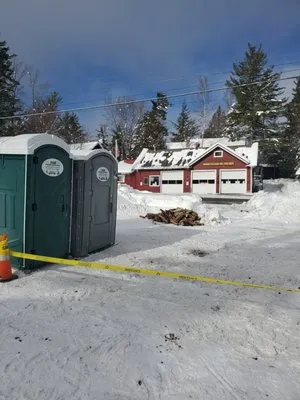
KG Septic And Sewer is a trusted, family-owned business serving Munnsville and the surrounding communities. Founded by a father and son team, we started with a simple mission: to provide honest and re...
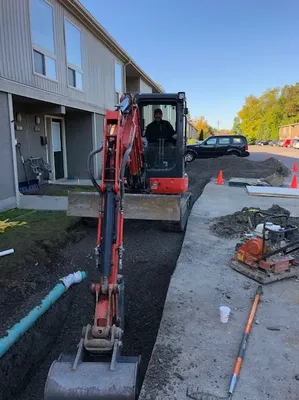
GNR Excavating
GNR Excavating is a trusted Hastings-based excavation and plumbing service with over 38 years of local experience. Owner and operator George Russell started operating heavy equipment at age 17 and has...
LaRock Backflow is a trusted plumbing service in Constantia, NY, specializing in resolving common local plumbing problems like water heater sediment buildup and dishwasher leaks. With expertise in plu...
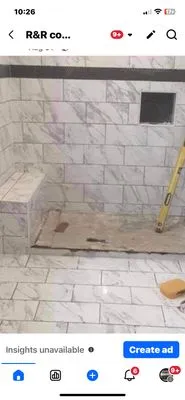
R&R Contracting has been a trusted name in Harrisville, NY, and the surrounding region since 2004. We are a full-service contracting company dedicated to improving and protecting your home. From compr...
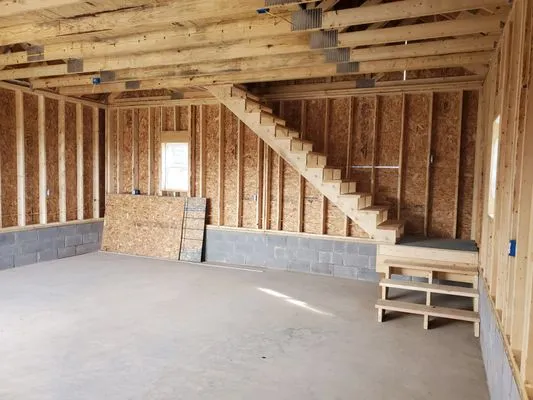
Ground Up Custom Construction is a Dexter-based contracting company founded by Michael J Contryman. With over 25 years of construction experience, Michael started the business in 2019 to focus on help...
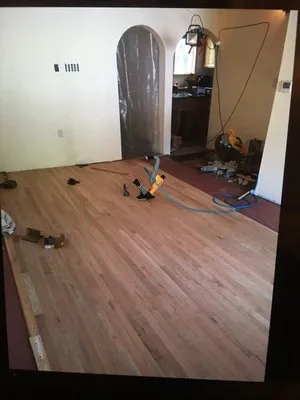
MHS Contracting is a trusted home improvement contractor serving Utica, NY, and surrounding areas. We specialize in comprehensive remodeling, plumbing, and structural services to address common local ...
Radical Rooter is a trusted, local plumbing service based in Lyons Falls, NY, serving homeowners and businesses throughout the area. We provide a complete range of expert plumbing services, from routi...
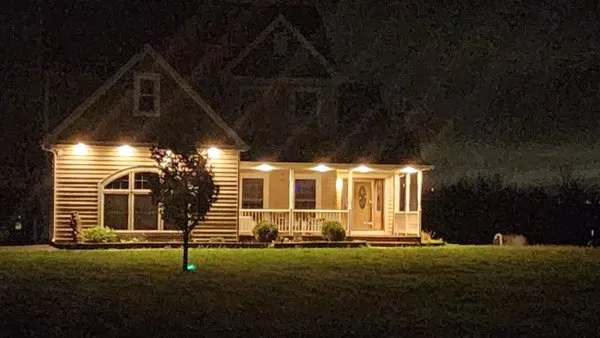
STARR Property Services is your local expert in Port Leyden, NY, specializing in essential home system inspections. We understand the common headaches local homeowners face, like persistent dishwasher...
Residential Plumbing Solutions
Residential Plumbing Solutions is a family-owned plumbing and HVAC company serving Watertown, NY, and the surrounding communities. We are dedicated to providing reliable, professional service with a p...
Estimated Plumbing Costs in Lowville, NY
Frequently Asked Questions
How quickly can a plumber reach my house in Lowville during an emergency?
Heading past Lewis County Fairgrounds on NY-26, I can typically reach most Lowville addresses within 45-60 minutes. This dispatch route covers the main corridor through town while allowing for detours to side streets. Knowing the local road patterns helps minimize response time when you have water spraying or a sewer backup.
What should I do before spring thaw to prevent plumbing problems?
Before temperatures rise above freezing, disconnect garden hoses and shut off exterior faucets from inside. Insulate pipes in unheated crawl spaces, as 8-degree lows followed by rapid warming during spring thaw can cause expansion cracks. Check for ice dams that might redirect meltwater into your foundation and toward plumbing penetrations.
Why do my old pipes keep springing leaks in different spots?
Galvanized steel from 1938 develops pinhole leaks as corrosion weakens the pipe walls. Joints calcify and lose their seal over decades, causing water to seep through threaded connections. These failures occur randomly along the pipe length rather than at predictable points, making spot repairs temporary solutions.
Who handles permits and inspections for plumbing work in Lowville?
Lowville Village Code Enforcement requires permits for most plumbing modifications, and I coordinate directly with their office. My New York State Department of State Division of Licensing Services credentials cover all required inspections. Handling this red tape ensures your project meets local codes without you navigating bureaucratic processes.
Are there special considerations for plumbing in rural Lowville homes?
Rural properties often have private wells and septic systems that require different maintenance than municipal services. Well pumps need protection from freezing, and pressure tanks require regular air charge checks. Septic systems in hilly areas may need effluent pumps to move wastewater uphill to drain fields.
My Lowville home has original plumbing from when it was built. What should I expect at this point?
Galvanized steel pipes installed around 1938 are now 88 years old. Homeowners in Lowville Village Center often see reduced water pressure and rust-colored water as internal corrosion narrows the pipe diameter. This buildup, called scale, restricts flow and can lead to complete blockages. At this age, replacement becomes more cost-effective than repeated repairs.
Does water from the Beaver River affect my plumbing fixtures?
Hard water from the Beaver River deposits mineral scale inside pipes and appliances. Water heaters accumulate sediment that reduces efficiency and can cause premature tank failure. Fixtures develop crusty buildup around aerators and showerheads, restricting flow and requiring frequent cleaning to maintain performance.
Could the hilly land around Lewis County affect my main sewer line?
Hilly terrain places constant stress on main lines as soil shifts with freeze-thaw cycles. Drainage from slopes around the fairgrounds area can overload systems during heavy rain or snowmelt. Proper grading and secure pipe bedding help prevent separation at joints, which is a common issue in areas with significant elevation changes.
