Top Emergency Plumbers in Lodi, NY, 14860 | Compare & Call

There are 42 plumbing companies server in Lodi NY
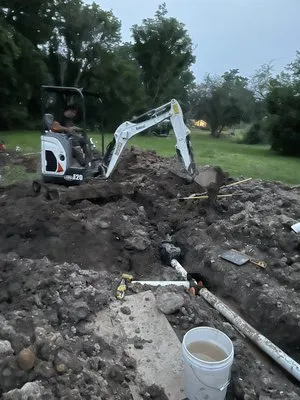
Jetter Drains is a trusted plumbing service provider in Dickson City, PA, specializing in a wide range of solutions from drain and sewer services to comprehensive plumbing and septic system work. We h...
AP Plumbing is a family-owned, licensed, and insured plumbing service that has been serving the Greater Rochester area since 1986. We provide comprehensive residential and commercial plumbing solution...
Vacchetto's Handyman Services is a trusted local provider in Clyde, NY, offering comprehensive home maintenance and repair solutions. We specialize in appliance installation and repair, plumbing servi...

Vanguard Plumbing brings over 13 years of professional expertise to Hamlin, NY, focusing on honest, reliable service for every household. Founded on the principle that integrity comes first, we built ...
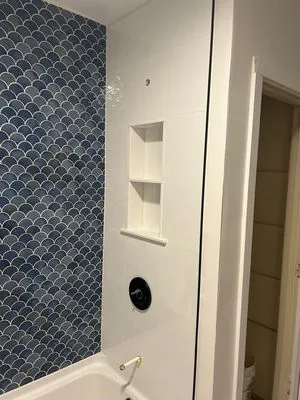
Maroney's Enterprise is a family-operated home services company in Walworth, NY, built on a lifelong passion for skilled trades. With over 17 years of hands-on experience and serving the community sin...

Mr Rooter Plumbing
Mr. Rooter Plumbing of Rochester is your local, independently owned and operated plumbing service, built on a foundation of trust established over 50 years ago. We bring the reliability of a national ...
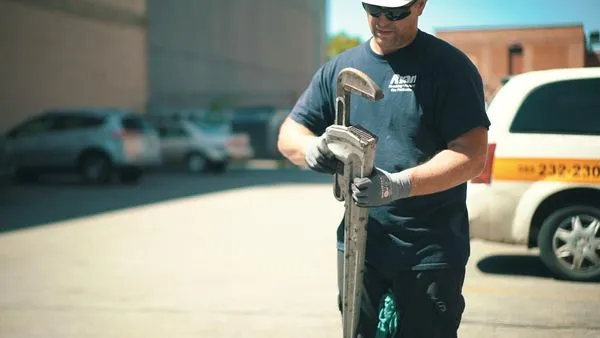
Ryan
Ryan Plumbing, Heating, Air Conditioning and Fire Protection, L.L.C. is a full-service mechanical company serving the Greater Rochester, NY region since 1999. Founded as an extension of a family-owned...
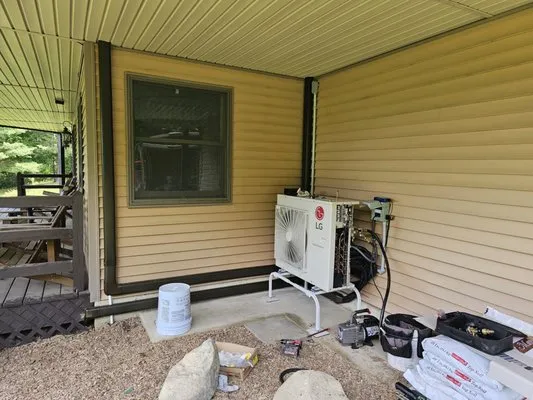
M2 Heating, Cooling and Electric
M2 Heating, Cooling and Electric is a trusted, full-service contractor serving Penn Yan and the surrounding Finger Lakes region. We handle electrical, HVAC, and plumbing needs for homes and businesses...
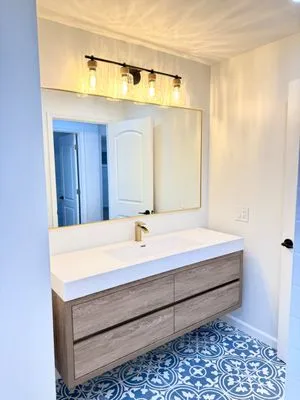
BrightView Remodeling & Construction
Founded in 2015 by Liran and Sharon Zah, BrightView Remodeling & Construction is a locally owned and operated business built on a genuine passion for Rochester-area homes and real estate. Based in Pit...
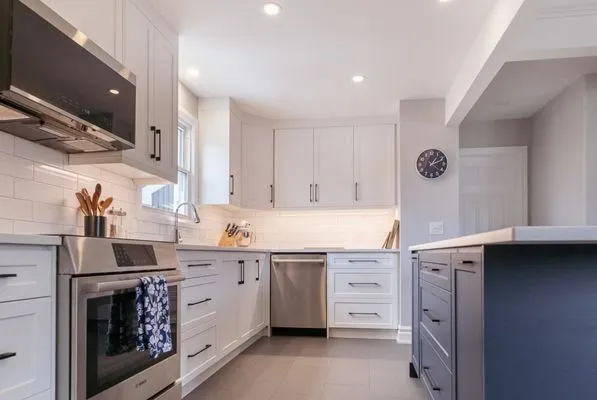
GEM is a Rochester, NY-based remodeling company serving Monroe and Wayne counties, specializing in transforming homes through comprehensive renovation services. We focus on kitchen and bathroom remode...
Estimated Plumbing Costs in Lodi, NY
Common Questions
Is rural plumbing in Lodi different from in a town?
The main difference is the complete reliance on private systems. You're responsible for everything from the well casing to the septic tank. Well pumps, pressure tanks, and water treatment equipment are standard maintenance items here, not municipal concerns. Septic system health is also critical; what goes down any drain directly impacts your leach field, so being mindful of what you flush is part of rural plumbing care.
Does hard well water damage my water heater or fixtures?
Yes, the minerals in our private well water, primarily calcium and magnesium, precipitate out as scale when heated. Inside a water heater, this scale builds up on the heating elements and tank bottom, reducing efficiency and leading to premature failure. On fixtures, scale clogs aerators and showerheads, and it can seize up cartridge valves in faucets, making them difficult to turn or repair.
Can the hilly terrain around here cause plumbing problems?
The slope affects drainage and pressure. For septic systems, the drain field must be on suitable, level ground downhill from the tank; improper placement on a steep grade can cause premature failure. Hilly properties also put more static pressure on the main water line coming from the well, stressing joints and fittings. In heavy rain or during the spring thaw, surface water runoff can expose or even undermine buried supply lines.
How old are the pipes in a Lodi house built around 1938?
Homes here with original plumbing have 88-year-old galvanized steel lines. That material corrodes from the inside out, so homeowners in Lodi Village Center often first notice low water pressure at multiple faucets. The next common sign is a persistent brownish tint to the water, which is rust scale breaking loose. Complete blockages and pinhole leaks at the threaded joints are the final, predictable stage of failure for this vintage.
Do I need a permit to replace my water heater in Lodi?
Yes, the Town of Lodi Code Enforcement requires a permit for water heater replacement to ensure the installation meets current safety and building codes. As a master plumber licensed by the New York State Department of State, I pull all necessary permits, schedule the required inspections, and provide you with the final documentation. This handles the red tape for you and ensures the work is legally recorded, which is important for insurance and future home sales.
How quickly can a plumber get to Lodi in an emergency?
Heading past Finger Lakes National Forest on State Route 414, the drive from my shop takes 45 to 60 minutes depending on traffic and weather. I keep my truck stocked for the common calls here—pipe bursts, well pump failures, and frozen service lines. For urgent situations, I can usually be on the road within 20 minutes of your call, with a direct update when I turn off 414 toward your property.
Why do my old galvanized pipes keep springing pinhole leaks?
Galvanized steel from 1938 has a lifespan of 50-70 years. The zinc coating that prevents rust wore off decades ago, allowing the base steel to corrode. Pinhole leaks typically form at threaded joints and elbows where the pipe wall is thinnest due to the threading process. This corrosion is accelerated by our area's hard water, which creates mineral scale that further pits and weakens the interior surface.
What's the most important thing to do before a deep freeze in Lodi?
Disconnect and drain all outdoor hoses. A hose left connected traps water in the bib, which freezes and cracks the pipe inside your wall. For homes with a basement or crawl space, keep cabinet doors under sinks open to allow warm air to circulate. If you have a history of freezing, letting a cold faucet drip slightly can relieve pressure in the system, but addressing inadequate insulation in vulnerable areas is the permanent fix.
