Top Emergency Plumbers in Little Valley, NY, 14755 | Compare & Call

There are 12 plumbing companies server in Little Valley NY
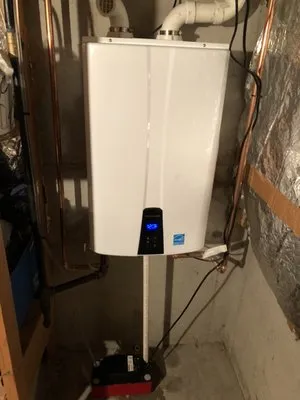
Bright Star Plumbing and Contracting
Bright Star Plumbing and Contracting is a fully licensed and insured plumbing company serving both residential and commercial clients in Niagara Falls, NY. We are honest plumbers committed to providin...

Seven One Fixers is a trusted home improvement contractor serving Buffalo, NY and surrounding communities. We provide comprehensive residential services including electrical work, plumbing, remodeling...

Mike's Maintenance is a trusted home service provider serving Charlotte, NY, dedicated to making home improvements accessible and stress-free for local homeowners. Founded on the principle that qualit...
Just In Time Septic and Site Construction
Just In Time Septic and Site Construction is a trusted local contractor serving Orchard Park and Eden, NY, with over 15 years of experience in excavation, plumbing, and septic systems. We specialize i...
ASAP Plumbing & Heating
ASAP Plumbing & Heating is a trusted, locally-owned plumbing service in Olean, NY, founded by Darren and his partner. Born and raised right here in Olean, Darren brings over 9 years of experience in c...
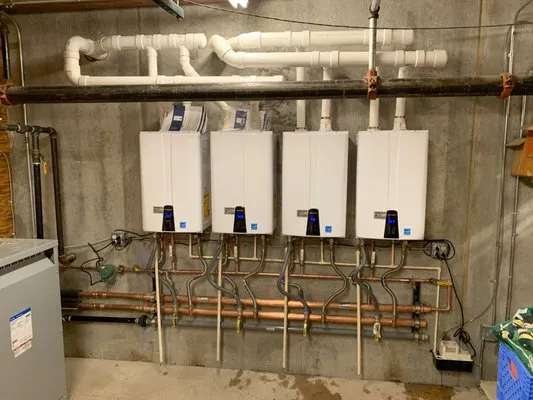
Anderson-Shortell
Anderson-Shortell is a locally owned and operated, full-service plumbing and HVAC company serving Olean, NY, the Southern Tier, and Northern PA for over 110 years. Our team of licensed and bonded plum...
Dan Kandefer Plumbing & Heating
Founded in 1952, Dan Kandefer Plumbing & Heating is a family-owned and operated business serving Great Valley, Western New York, and the Greater Buffalo area. For over 65 years, they've built a reputa...
The Handyman Property Service began as a small venture in Hinsdale, NY, and has grown steadily thanks to the support of family, friends, and loyal customers. Founded with a commitment to reliable home...

Rural Water Pipe Solutions
Rural Water Pipe Solutions provides reliable residential plumbing services for Randolph, NY, and surrounding communities from Alleghany to Jamestown. We specialize in keeping your water flowing and dr...

Kellner
Kellner, LLC has been the trusted local provider for water conditioning and plumbing solutions in Olean, Bradford, and Wellsville since 2018. As a nationally certified well driller and pump installer ...
Estimated Plumbing Costs in Little Valley, NY
FAQs
What should I do before spring thaw to prevent plumbing problems?
Before temperatures rise above freezing, insulate exposed pipes and check crawl spaces for proper ventilation. Spring thaw brings rapid temperature shifts that stress plumbing systems, especially in our Snow Belt climate. A pro-tip: keep cabinet doors open to allow warm air circulation around pipes during the thaw period when overnight lows still hit 12°F.
Why do I keep getting pinhole leaks in my plumbing system?
Galvanized steel from 1938 develops pinhole leaks as the zinc coating wears away and the underlying steel corrodes. These small leaks often appear at joints where dissimilar metals meet or where water turbulence accelerates corrosion. Once one pinhole appears, others typically follow as the pipe material has reached its functional lifespan.
Who handles permits and inspections for plumbing work in Cattaraugus County?
I coordinate with Cattaraugus County Code Enforcement for all required permits and inspections. My New York State Department of State Division of Licensing Services credentials ensure work meets state standards. Homeowners don't need to navigate this bureaucracy - I handle the red tape so projects proceed smoothly and comply with local regulations.
Does hard water from my private well damage my water heater?
Hard water causes scale buildup inside water heaters, reducing efficiency and shortening their lifespan. The minerals in well water accumulate on heating elements and tank surfaces, forcing the system to work harder. Over time, this scaling can lead to premature failure, higher energy bills, and sediment accumulation that affects water quality throughout your home.
How quickly can a plumber reach my home in Little Valley during an emergency?
Heading past Little Valley Depot on US Route 219 gets me to most homes within 45-60 minutes. The depot serves as my central dispatch point, with Route 219 providing the main artery through the valley. I plan routes around current road conditions and traffic patterns to minimize response time while driving safely.
As a rural homeowner with a septic system and well, what plumbing issues should I watch for?
Rural properties with septic and well systems require attention to both water supply and wastewater management. Well pumps and pressure tanks need regular maintenance, while septic systems demand careful monitoring of what goes down drains. Unlike municipal systems, you're responsible for the entire water cycle from source to disposal on your property.
My Town Center home has rusty water and low pressure - is this normal for Little Valley houses?
Galvanized steel pipes installed around 1938 are now 88 years old. At this age, mineral deposits and rust have built up inside the pipes, reducing water flow to a trickle in some Town Center homes. The steel itself corrodes from the inside out, causing that brownish water you're seeing. This isn't just normal aging - it's the predictable failure point for infrastructure from that era.
Could the hilly land around Little Valley Depot affect my home's drainage?
Hilly terrain creates drainage challenges as water follows gravity down slopes toward lower elevations. Homes built on slopes often experience increased pressure on main lines and drainage systems. The soil composition around Little Valley Depot can shift with freeze-thaw cycles, potentially stressing pipe joints and creating low spots where water collects.
