Top Emergency Plumbers in Lebanon, NY, 13332 | Compare & Call

There are 236 plumbing companies server in Lebanon NY
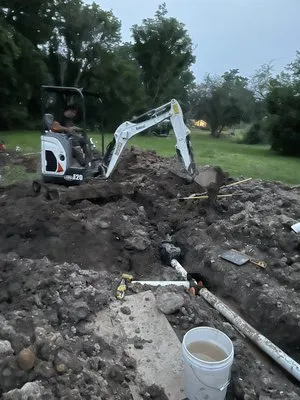
Jetter Drains is a trusted plumbing service provider in Dickson City, PA, specializing in a wide range of solutions from drain and sewer services to comprehensive plumbing and septic system work. We h...
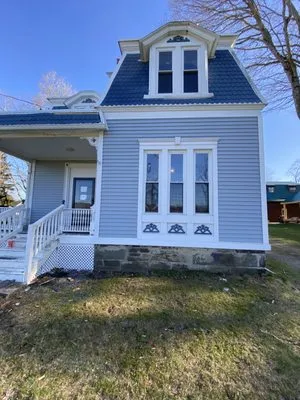
Trinity Handyman Services is a trusted local provider in Montrose, PA, offering comprehensive home maintenance and repair solutions. With expertise spanning appliance installation and repair, plumbing...
NEPA Handyman serves homeowners and businesses in Montrose, PA, providing reliable repair and installation services to keep local properties functioning smoothly. Many Montrose homes face common issue...
R and R Contracting is a true Hallstead family business, proudly serving our neighbors for over 20 years. Founded by my grandfather and now operated by me, our hands-on approach means I'm right there ...
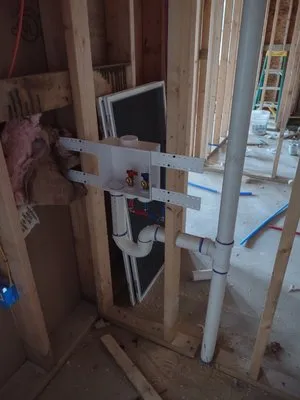
JAB Sewer & Drain is your local Athens, PA plumbing expert, providing reliable solutions for homeowners throughout Tioga County. We understand the common frustrations local residents face, from persis...
Twin-Tiers Construction is a locally owned and operated residential contracting business serving homeowners in Sayre, PA and the surrounding Twin Tiers region. Founded in 2022, we bring fresh dedicati...
Halco
Founded in 1984 by Hal Smith, Halco has grown from a single local operation into a trusted, multi-location business serving Upstate New York. For nearly 40 years, Halco has built its reputation in Liv...
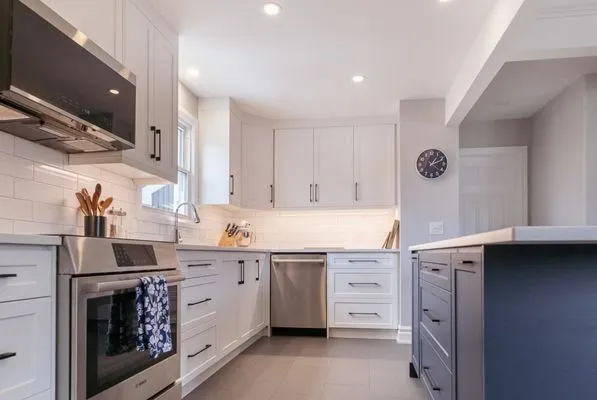
GEM is a Rochester, NY-based remodeling company serving Monroe and Wayne counties, specializing in transforming homes through comprehensive renovation services. We focus on kitchen and bathroom remode...

PumperJack Septic is a family-owned and operated business dedicated to keeping the septic systems of the Finger Lakes Region running smoothly. Based in Shortsville, we provide reliable maintenance, pu...
Authority Construction is your trusted local building partner in Geneva, NY, specializing in both construction and expert plumbing services. We understand that many Geneva homes face common issues lik...
Estimated Plumbing Costs in Lebanon, NY
Common Questions
Does hard water from my private well damage plumbing fixtures?
Hard water minerals accumulate inside water heaters, reducing efficiency by 30-40% over five years. Scale buildup restricts flow through faucet cartridges and shower valves, causing premature failure. For Lebanon homes with private wells, installing a whole-house water softener protects water heaters and extends fixture lifespan by preventing mineral deposits.
What should I do before spring thaw to prevent plumbing problems?
Before temperatures rise above freezing, disconnect garden hoses and shut off exterior faucets from inside. Insulate pipes in unheated crawl spaces, as Lebanon's 12°F winter lows can cause freeze damage that only reveals itself during thaw. Keep cabinet doors open under sinks to allow warm air circulation during cold snaps.
What causes those tiny leaks in my 1960s copper pipes?
Pinhole leaks in 58-year-old copper typically stem from two factors. Internal scaling from hard water creates corrosive pockets that eat through pipe walls over decades. Externally, soil acidity around Lebanon's hilly terrain accelerates corrosion at joints and bends. These failures often start at solder joints where dissimilar metals meet without proper dielectric unions.
What plumbing issues are unique to rural Lebanon homes?
Rural properties here rely on private wells and septic systems rather than municipal services. Well pump failures leave homes completely without water, while septic backups require immediate attention to prevent health hazards. Maintaining proper separation between well heads and septic drain fields prevents groundwater contamination in Lebanon's soil conditions.
Who handles permits for plumbing work in Lebanon?
The Town of Lebanon Building Department issues local permits for plumbing installations and replacements. As a master plumber licensed through New York State Department of State Division of Licensing Services, I submit all required paperwork and coordinate inspections. Homeowners don't need to navigate the red tape themselves when working with a properly credentialed professional.
How quickly can a plumber reach my home near Lebanon Reservoir?
Heading past Lebanon Reservoir on US-20 gets me into the Lebanon Center area within 45-60 minutes for most calls. That route covers the main residential corridors while avoiding backroad delays during snow season. I keep a stocked service truck ready for Lebanon's common issues like well pump failures or frozen pipe emergencies.
How does Lebanon's hilly terrain affect my main water line?
Slopes around Lebanon Reservoir create soil movement that stresses main water lines over time. Downhill sections experience increased water pressure that can weaken older copper connections, while uphill runs may develop air locks in well systems. Properly anchored pipe supports and pressure-regulating valves help compensate for elevation changes.
Why are my copper pipes failing now in Lebanon Center?
Copper plumbing installed around 1968 is now 58 years old. At this age, the thin-walled Type M copper common in that era develops pinhole leaks from internal corrosion and external soil chemistry. Homeowners in Lebanon Center are seeing these failures manifest as small water stains on ceilings or walls, often after decades of seemingly trouble-free service. The pipe walls thin gradually until they can no longer contain water pressure.
