Top Emergency Plumbers in Laurel Hollow, NY, 11771 | Compare & Call

There are 237 plumbing companies server in Laurel Hollow NY

Stitch Coterie is a Manhattan-based home renovation company founded in 2009 by two brothers with deep expertise in plumbing, HVAC, and mechanical systems. With over a decade of experience serving New ...
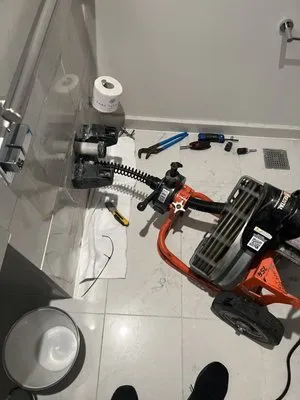
ASAP Solutions, founded in 2009 by Udi, is a licensed and insured contractor serving Manhattan and the five boroughs. We are a one-stop shop for plumbing, electrical, and general maintenance, providin...
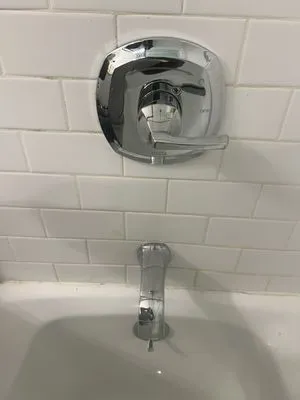
Team ASAP Home Improvement is a licensed plumbing and home improvement service based in New Rochelle, NY, serving Westchester County with reliable solutions for both emergency repairs and scheduled ma...
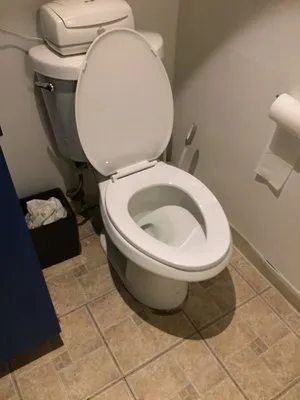
Pipe Monkeys Sewer and Drain, Inc. is your local Maspeth plumbing expert. Founded in 2018, owner Kyriakos brings over a decade of hands-on experience to every job, specializing in the intricacies of s...
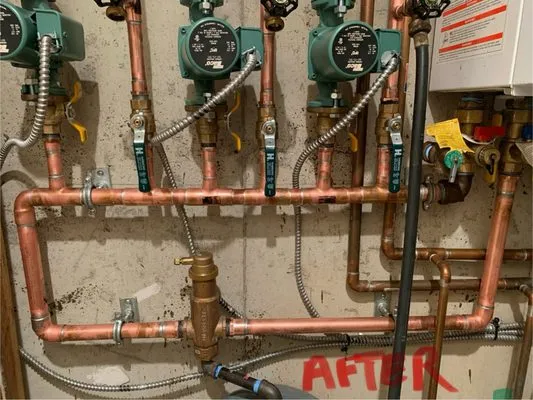
GME Plumbing & Heating
GME Plumbing & Heating is a locally owned and operated business serving Bronx Park and the surrounding areas since 2008. Founded on a commitment to integrity and reliable service, we focus on providin...
MKC Plumbing & Heating
MKC Plumbing & Heating was founded by a team of experienced plumbers with a clear mission: to provide reliable residential and commercial plumbing services for Long Island. We are committed to deliver...
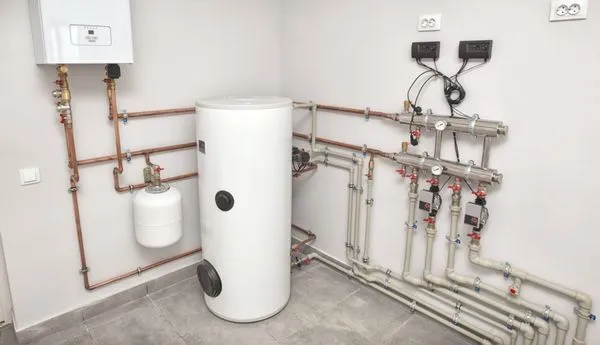
Oh Gush Sewer & Drain SVC is a locally-owned plumbing business serving New York, NY since 2019. We provide 24-hour emergency plumbing services with a focus on water heater installation and repair, dra...
Original 718 Sewer & Drain
Original 718 Sewer & Drain is a family-owned plumbing service based in Middle Village, NY, founded in 2010. Licensed and insured, they provide 24/7 emergency services across New York City, including Q...
Yury Kuzmin is a licensed plumbing service provider based in New York, NY, dedicated to serving the five boroughs and Long Island. He offers reliable solutions for a wide range of plumbing needs, from...
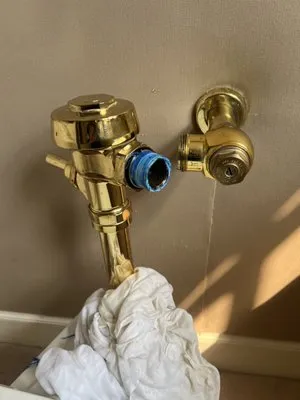
KCS Plumbing & Heating is a trusted, licensed, and insured plumbing service provider serving Yonkers, NY, and the surrounding areas. With over a decade of hands-on experience, we specialize in a compr...
Estimated Plumbing Costs in Laurel Hollow, NY
Common Questions
How does the hilly terrain affect my home's plumbing?
The sloping landscape around Cold Spring Harbor Laboratory creates drainage challenges for residential plumbing. Downhill properties experience increased hydrostatic pressure on main sewer lines. Uphill homes may have drainage issues where gravity fails to move wastewater effectively. Soil erosion on slopes can expose or stress buried water lines. Proper grading around your foundation and installing backflow prevention devices helps manage these terrain-related stresses.
Does our hard water damage plumbing fixtures?
Suffolk County Water Authority draws from aquifers with high mineral content, creating hard water that causes scale buildup. This mineral accumulation reduces water heater efficiency by insulating heating elements. Fixtures develop reduced flow as aerators and showerheads clog with calcium deposits. Installing a whole-house water softener or descaling your water heater annually can mitigate these effects. Scale inhibitors on main lines also help protect appliances.
Why do my old copper pipes keep springing leaks?
Copper plumbing from 1967 often develops pinhole leaks due to erosion corrosion. The constant water flow wears away the pipe interior over decades, creating weak spots. Joint calcification is another issue—mineral deposits build up at solder joints, creating stress points. These failures typically occur in horizontal pipe sections where water sits longer. Re-piping affected sections with modern copper or PEX is often more cost-effective than repeated repairs.
Who handles permits and inspections for plumbing work in Laurel Hollow?
The Village of Laurel Hollow Building Department requires permits for most plumbing modifications. As a master plumber licensed through Nassau County Department of Consumer Affairs, I handle the red tape so you don't have to. This includes pulling permits, scheduling inspections, and ensuring work meets current code. Village inspectors typically check for proper venting, trap configurations, and material compliance. Working with a licensed professional ensures your project passes inspection without delays.
What should I do before spring thaw to prevent plumbing problems?
Temperate climates like ours see temperatures drop to 24°F, but spring thaw brings its own risks. Insulate exposed pipes in crawlspaces and garages before winter ends. Check outdoor spigots for proper drainage—trapped water expands during freeze-thaw cycles. Clear gutters and downspouts so melting snow drains away from your foundation. A pro-tip: keep cabinet doors open under sinks during cold snaps to allow warm air circulation around pipes.
My copper pipes are from the 1960s - what should I expect as they age?
Copper plumbing installed around 1967 is now 59 years old. Homeowners in the Cold Spring Harbor Vicinity are seeing pinhole leaks develop in horizontal runs and behind walls. At this age, the protective oxide layer inside the pipes has worn thin from decades of water flow. You might notice small damp spots on ceilings or walls before a full leak appears. Regular inspections of exposed pipes in basements and crawlspaces can catch these early.
What plumbing issues are common in suburban homes like ours?
Suburban properties in Laurel Hollow typically connect to municipal water and sewer systems. Municipal water pressure fluctuations can stress older copper pipes, accelerating wear. Tree roots seek moisture in sewer laterals, causing blockages that require hydro-jetting. Unlike rural homes with wells and septic systems, you'll deal with SCWA water quality and village sewer maintenance. Regular camera inspections of your lateral line prevent root intrusion problems before they become emergencies.
How quickly can a plumber reach my home in Laurel Hollow?
Heading past Cold Spring Harbor Laboratory on NY-25A, our dispatch route follows the main artery through the area. We maintain a 45-60 minute response window for emergency calls. Traffic patterns on NY-25A during peak hours can add 10-15 minutes, so we monitor those conditions. For non-emergency appointments, we schedule arrival within a two-hour window to account for local traffic.
