Top Emergency Plumbers in Lattingtown, NY, 11542 | Compare & Call

There are 237 plumbing companies server in Lattingtown NY
Anthony Plumbing is a family-owned plumbing service in Boonton, NJ, founded by Fernando Fernandez and named after his son, Anthony. With 30 years of experience, Fernando has turned plumbing into a pas...

Stitch Coterie is a Manhattan-based home renovation company founded in 2009 by two brothers with deep expertise in plumbing, HVAC, and mechanical systems. With over a decade of experience serving New ...
ASAP Solutions, founded in 2009 by Udi, is a licensed and insured contractor serving Manhattan and the five boroughs. We are a one-stop shop for plumbing, electrical, and general maintenance, providin...
Team ASAP Home Improvement is a licensed plumbing and home improvement service based in New Rochelle, NY, serving Westchester County with reliable solutions for both emergency repairs and scheduled ma...
Pipe Monkeys Sewer and Drain, Inc. is your local Maspeth plumbing expert. Founded in 2018, owner Kyriakos brings over a decade of hands-on experience to every job, specializing in the intricacies of s...
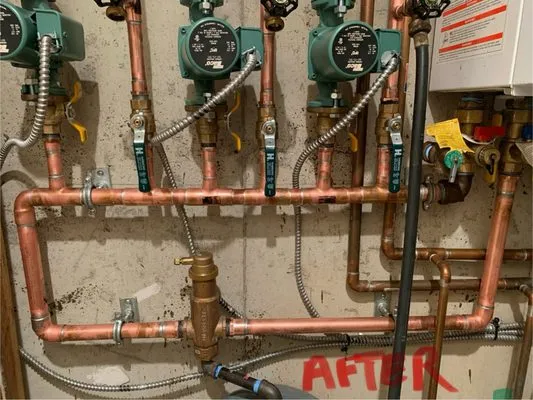
GME Plumbing & Heating
GME Plumbing & Heating is a locally owned and operated business serving Bronx Park and the surrounding areas since 2008. Founded on a commitment to integrity and reliable service, we focus on providin...
MKC Plumbing & Heating
MKC Plumbing & Heating was founded by a team of experienced plumbers with a clear mission: to provide reliable residential and commercial plumbing services for Long Island. We are committed to deliver...
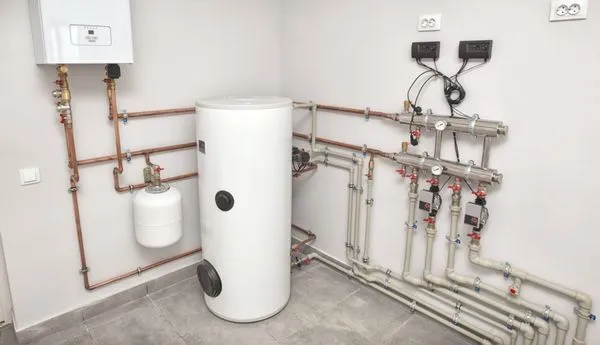
Oh Gush Sewer & Drain SVC is a locally-owned plumbing business serving New York, NY since 2019. We provide 24-hour emergency plumbing services with a focus on water heater installation and repair, dra...
Original 718 Sewer & Drain
Original 718 Sewer & Drain is a family-owned plumbing service based in Middle Village, NY, founded in 2010. Licensed and insured, they provide 24/7 emergency services across New York City, including Q...
Yury Kuzmin is a licensed plumbing service provider based in New York, NY, dedicated to serving the five boroughs and Long Island. He offers reliable solutions for a wide range of plumbing needs, from...
Estimated Plumbing Costs in Lattingtown, NY
Frequently Asked Questions
What causes those small leaks in old pipes that seem to appear out of nowhere?
Galvanized steel from the 1950s develops pinhole leaks when internal corrosion eats through the pipe wall. Joint calcification is another issue—mineral deposits from decades of hard water create rigid connections that crack under thermal expansion. These failures often start in hidden areas like crawl spaces, where condensation accelerates the corrosion process. Replacing sections piecemeal rarely solves the underlying systemic deterioration.
Why are so many Lattingtown homes having plumbing problems lately?
Galvanized steel pipes installed around 1957 are now 69 years old. Homeowners in Lattingtown Harbor are seeing widespread rust-through, where entire sections of pipe become brittle and fail. The interior scale buildup has reached critical mass, causing sudden pressure drops and discolored water. This isn't maintenance neglect—it's the predictable end of a material's lifespan in our coastal environment.
Are tree roots really a problem for plumbing in suburban neighborhoods?
Mature landscaping in suburban Lattingtown means roots seek water sources, including small cracks in sewer laterals. Unlike municipal systems with regular maintenance, private laterals get ignored until backups occur. Roots enter through deteriorated pipe joints or hairline fractures, then expand to create complete blockages. Camera inspections identify root intrusion before it causes sewage backups into basements during peak usage periods.
How quickly can a plumber reach my home in Lattingtown?
Heading past Welwyn Preserve on NY-107 gets me into the heart of the village efficiently. Most calls from Lattingtown Harbor take 45-60 minutes from dispatch to arrival. I keep a truck stocked for common galvanized steel emergencies, so that travel time includes being ready to work immediately upon arrival. The route avoids major congestion points that could delay critical repairs.
Why does my basement drain slowly during heavy rains near Welwyn Preserve?
Coastal slopes channel groundwater toward properties, increasing hydrostatic pressure against foundation drains. Soil composition around Welwyn Preserve retains moisture longer than sandy areas, keeping constant pressure on drainage systems. Main lines running downhill experience added stress from shifting soil during wet seasons. Proper grading and French drains help, but many older homes need sump pump upgrades to handle the terrain's natural water movement.
What permits do I need for a bathroom renovation in Lattingtown?
The Village of Lattingtown Building Department requires permits for any plumbing alterations, including fixture replacements. As a Nassau County licensed master plumber, I handle the red tape so you don't have to—submitting drawings, scheduling inspections, and ensuring compliance with current codes. Consumer Affairs credentials mean I'm bonded for your protection. Proper permitting prevents future issues during property transfers and ensures work meets safety standards.
Does having a private well mean I need different plumbing maintenance?
Private wells draw hard water with high mineral content that accelerates scale buildup. Water heaters suffer most—sediment accumulation reduces efficiency by 30-40% over five years and causes premature tank failure. Fixtures develop restricted flow from mineral deposits in aerators and valve seats. Installing a whole-house water softener protects your plumbing investment, but existing scale in old galvanized lines still requires mechanical removal during replacements.
When should I winterize my outdoor plumbing in this area?
Temperate climates like ours create a false sense of security until that first hard freeze around 26°F. Shut off and drain exterior spigots by mid-November, even if daytime temperatures seem mild. Spring thaw brings its own issues—ground saturation from melting snow tests drainage systems and exposes weak spots in buried lines. A pro-tip: insulate pipes in unheated crawl spaces rather than just attics, since cold air settles in low areas first.
