Top Emergency Plumbers in Italy, NY, 14512 | Compare & Call

There are 231 plumbing companies server in Italy NY
Bill The Plumber is a trusted, veteran-owned plumbing and HVAC service based in Clarks Summit, PA, serving homeowners and businesses throughout Lackawanna, Luzerne, and Wyoming Counties since 2020. We...
Ron's Handyman Service in Wysox, PA, provides reliable home maintenance and repair solutions for local residents. With expertise spanning appliance installation, plumbing, electrical work, drywall, pa...
Paul Eveland Plumbing & Heating is your trusted, full-service plumbing company serving Tunkhannock, PA, and the surrounding Wyoming County area. We provide reliable solutions for everything from emerg...
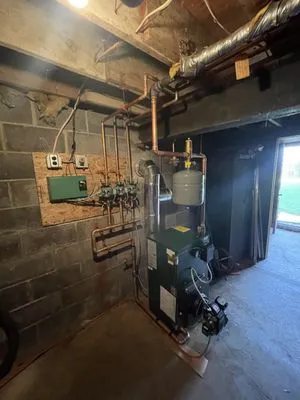
Keystone Nepa Plumbing and Heating is a trusted, full-service provider serving Carbondale and surrounding NEPA communities. We offer comprehensive plumbing, heating, and HVAC solutions, from emergency...
Trinity Handyman Services is a trusted local provider in Montrose, PA, offering comprehensive home maintenance and repair solutions. With expertise spanning appliance installation and repair, plumbing...

For over 30 years, Jim's Home Services has been the trusted handyman for Towanda area residents and businesses. With extensive training as a licensed electrician and deep plumbing knowledge, Jim bring...
CrossRoads Electric Plumbing Heating
For over a decade, CrossRoads Electric Plumbing Heating has been the trusted local provider for Coudersport, PA, and the surrounding communities. With nearly 40 years of combined trade experience, the...

BK Plumbing & Repair is a family-owned, certified master plumbing service proudly serving the Mifflinburg community. We are fully insured and bring years of dedicated property maintenance experience t...
TPE Plumbing and Heating is a trusted, local plumbing service based in Port Allegany, PA. We specialize in solving the common water system issues our neighbors face, from persistent pipe corrosion due...

Berg Plumbing & Heating is a trusted, locally-owned plumbing service in Wellsboro, PA, dedicated to helping homeowners maintain reliable and efficient plumbing systems. We specialize in thorough plumb...
Estimated Plumbing Costs in Italy, NY
Questions and Answers
Who handles permits and inspections for plumbing work in Italy?
I coordinate directly with Town of Italy Code Enforcement for all required permits and inspections. With New York State Department of State credentials, I ensure work meets current codes for water supply, drainage, and venting systems. This includes proper backflow prevention for wells, septic system connections, and pressure testing of new installations. Handling this administrative process means homeowners avoid compliance issues that could affect property transfers or insurance claims.
Does hard water from my well damage plumbing fixtures?
Hard water from private wells deposits mineral scale inside pipes, water heaters, and fixtures. This buildup reduces flow rates, causes premature failure of water heater elements, and degrades valve seats in faucets and toilets. Scale accumulation is particularly problematic in water heaters, where it insulates heating elements and tanks, forcing them to work harder while providing less hot water. Regular maintenance becomes essential with this water chemistry.
Are there special considerations for rural plumbing with a well and septic?
Rural properties with private wells and septic systems require integrated maintenance. Well pump pressure settings must match your home's plumbing capacity to avoid stressing older pipes. Septic system backups can indicate drainage issues in the main line or problems with the tank itself. Unlike municipal systems, you're responsible for the entire water cycle from well intake to septic discharge, making regular inspections of both systems crucial for preventing major failures.
How does the hilly terrain affect my home's drainage system?
The sloping landscape around Italy Valley creates hydraulic stress on main sewer lines and drainage pipes. Gravity pulls wastewater downhill with increased force, which can erode pipe joints over decades. During heavy rain or snowmelt, surface water follows natural drainage paths that sometimes intersect with buried plumbing, potentially overwhelming systems not designed for additional groundwater infiltration. Proper grading around your foundation helps direct water away from vulnerable points.
Why are so many Italy Hill homes having plumbing problems lately?
Galvanized steel pipes installed around 1968 are now 58 years old. At this age, the zinc coating has completely worn away, exposing the underlying steel to constant water contact. Homeowners are seeing rust-colored water, reduced pressure from mineral buildup inside the pipes, and frequent leaks at threaded joints. This corrosion process accelerates in the final decade of galvanized steel's lifespan, which is where most Italy Hill plumbing systems currently sit.
What causes those tiny leaks in older pipes around Italy?
Galvanized steel pipes from the late 1960s develop pinhole leaks when corrosion eats through the pipe wall at its thinnest points. These often appear along the bottom of horizontal runs where sediment collects, or at threaded joints where the protective coating was compromised during installation. The corrosion creates weak spots that eventually perforate, starting as slow drips that can quickly escalate if the surrounding metal continues to deteriorate.
How quickly can a plumber reach my home in Italy Valley?
Heading past Italy Valley on State Route 364, our dispatch route follows the main artery through this rural area. We maintain a 60-90 minute response window for most calls, accounting for winding roads and weather conditions. The route avoids backroads that can become problematic during heavy snow or spring thaw, ensuring we reach your property using the most reliable path available.
What should I do before spring thaw to avoid plumbing issues?
Before temperatures rise above freezing, disconnect garden hoses and drain outdoor faucets. Insulate exposed pipes in crawl spaces and basements, paying special attention to areas where pipes enter the home. Keep cabinet doors open under sinks to allow warm air circulation during cold snaps. These steps prevent frozen pipes from bursting when the thaw arrives and water pressure returns to compromised plumbing systems.
