Top Emergency Plumbers in Harpersfield, NY, 13786 | Compare & Call

There are 239 plumbing companies server in Harpersfield NY
My journey in hands-on repair started young, right in the basement of my childhood home. At age eleven, I found some wire and an outlet on my dad's workbench and decided to install it myself. I manage...
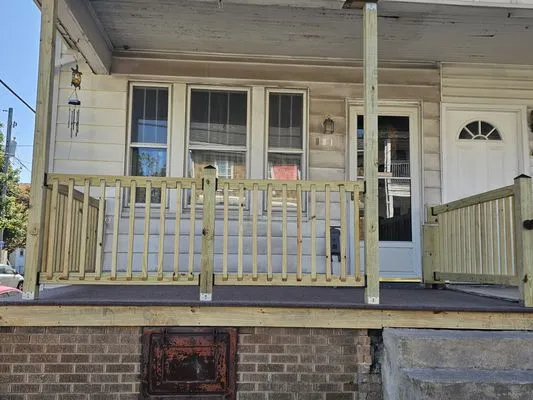
Lynn's Handyman Services is a trusted local provider in Tamaqua, PA, offering comprehensive home repair and maintenance solutions. With expertise spanning appliance installation and repair, plumbing, ...
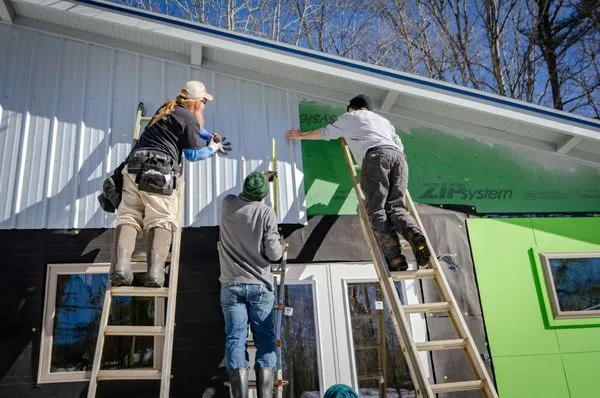
Knights For Christ is a faith-based remodeling and construction company serving the Freeland, PA community. We provide a comprehensive range of home improvement services, from kitchen and bathroom ren...
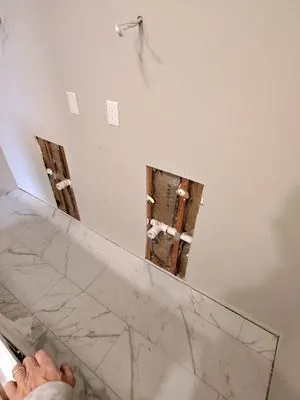
M&E Hvac Plumbing Solution's
M&E HVAC Plumbing Solutions is a Scranton-based family business built on a simple, powerful idea: a comfortable, safe home should also be a responsible one. Founded by Mike, a recently married father ...
Bill The Plumber is a trusted, veteran-owned plumbing and HVAC service based in Clarks Summit, PA, serving homeowners and businesses throughout Lackawanna, Luzerne, and Wyoming Counties since 2020. We...
Founded by a veteran plumber with over a decade of experience, NEPA Plumbing Solutions was born from a desire to build a different kind of company—one that values fairness for both its team and its cu...
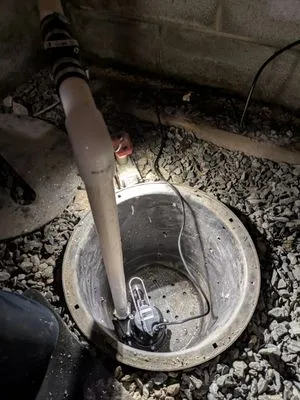
Drain-Flo is your trusted local plumbing partner in Duryea, PA. We specialize in thorough plumbing inspections to identify and resolve the common issues many area homeowners face, such as pipe joint l...
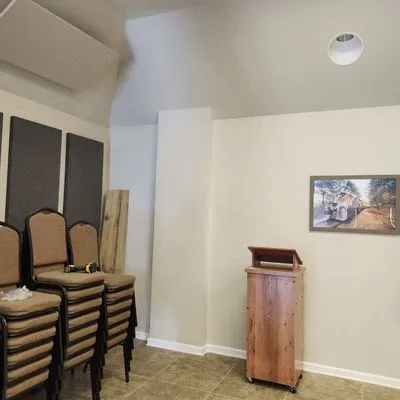
Billy Fix-It-All Handyman provides reliable home repair services for the Hawley community and surrounding counties. With over two decades of experience, we specialize in solving everyday household pro...
TE Spall & Son
T.E. Spall & Son is a family-owned and operated HVAC and plumbing service serving Carbondale and the wider Northeastern Pennsylvania community for over 30 years. Founded by Thomas E. Spall, who holds ...

OTC Handy is a trusted, local handyman and electrical service in Tobyhanna, PA, dedicated to keeping homes safe and functional. We specialize in a wide range of electrical, plumbing, and general repai...
Estimated Plumbing Costs in Harpersfield, NY
Q&A
Could the hilly land around here cause plumbing problems?
The slope of the terrain, like the land around Harpersfield Covered Bridge, puts constant stress on the main sewer line exiting your home. Over decades, this can cause the pipe to sag or separate at joints. During heavy rain, surface water runoff follows these slopes, which can overload and infiltrate older drainage systems, leading to wet basements or yard flooding if the perimeter drains are compromised.
Are there different plumbing concerns for a rural home?
Rural plumbing here centers on the private well and septic system, not municipal lines. Well pump and pressure tank performance directly affect your home's water pressure. Septic system health is critical; a failed leach field is a major repair. You must be mindful of what goes down drains, as there is no city sewer to handle it, and tree roots are a constant threat to the septic inlet and outlet pipes.
How quickly can a plumber get to me in Harpersfield?
Heading past Harpersfield Covered Bridge on State Route 23, a dispatch route can reach most homes in the township within 45 to 60 minutes. Our local knowledge of driveways and property access off the main roads ensures we don't waste time navigating. We plan our routes to group calls geographically, so an emergency in your area gets a prompt response without unnecessary backtracking.
Do I need a permit to replace my water heater?
Yes, the Town of Harpersfield Building Department requires permits for water heater replacements to ensure proper venting and pressure relief. I handle the red tape so you don't have to. My work meets New York State Department of State Division of Building Standards and Codes, which includes installing an approved expansion tank and dielectric unions on galvanized piping. This keeps your installation safe and your homeowners insurance valid.
Why are my pipes so noisy and why is my water pressure dropping?
Homes in Harpersfield Center built around 1958 now have 68-year-old galvanized steel supply lines. At this age, the interior of the pipe is heavily corroded and mineral scale has built up to the point where the effective diameter is often reduced to pencil-thin. You will first hear a banging or whistling sound, followed by a noticeable drop in pressure at fixtures farthest from the main, like a second-floor shower. Complete blockages and pinhole leaks in basements are the final stage of this failure.
What's the most common plumbing repair for a house built in the late 1950s?
The galvanized steel piping installed in 1958 is failing due to joint calcification and pinhole leaks. Threaded joints, especially at tees and elbows, become completely sealed with rust and mineral deposits, stopping water flow. Pinhole leaks typically appear along the bottom of horizontal runs in basements or crawlspaces, where water has pooled and accelerated corrosion from the outside in.
Does having a private well affect my plumbing fixtures?
Private wells here draw from groundwater with high mineral content, creating hard water. That scale accumulates most rapidly inside water heater tanks and on faucet aerators. You will see a shortened lifespan for water heaters, often needing replacement every 8-10 years instead of 12-15, and fixtures may lose flow as the small screens clog. Installing a whole-house water softener is the standard defense to protect this hardware.
What should I do to my pipes before a deep freeze?
With lows around 12°F, the main risk isn't sustained cold but the rapid freeze-thaw cycles during early spring. A pro-tip is to disconnect and drain garden hoses by late November, but also to shut off and drain the exterior hose bib valve from inside the basement. This prevents a single night of hard freeze from splitting the pipe where it enters the wall, which is the most common freeze failure we see after a spring thaw.
