Top Emergency Plumbers in Hamden, NY, 13782 | Compare & Call

There are 10 plumbing companies server in Hamden NY
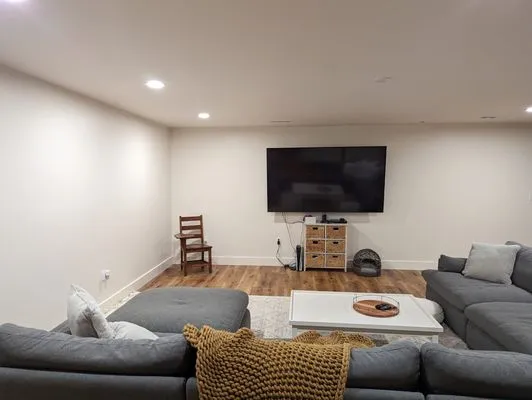
Craig Can Help is your trusted local handyman service in Sidney Center, NY, specializing in a wide range of home maintenance and improvement tasks. From handyman assembly and repair to door installati...
Roto-Rooter
Roto-Rooter in Narrowsburg is a locally owned and operated franchise with deep roots in the community. Founded by Jack and Beth Lang in the 1960s, the business has been a family endeavor for generatio...

Number One Rooter
Number One Rooter has been the trusted plumbing and heating specialist in Newburgh and the Greater Hudson Valley for over 30 years. Known locally as 'Sam The Rooter Man' with the motto 'If He Can't Fi...
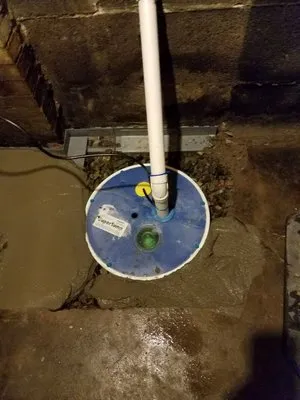
SouthernTier Basement Systems
SouthernTier Basement Systems is a locally owned and operated basement waterproofing and crawl space repair contractor serving the Southern Tier of New York, including Endwell, since 2009. As your loc...
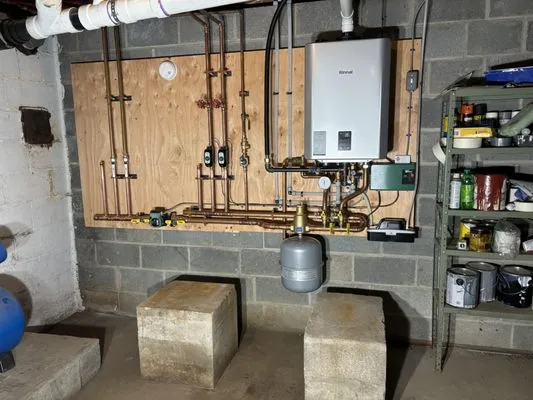
Gilroy Heating & Air is a trusted, full-service plumbing and HVAC company serving Vestal, NY, and the surrounding communities. We specialize in a comprehensive range of services, from bathtub and fauc...

Drain Service Pros is a licensed and insured plumbing service based in Otego, NY, specializing in comprehensive drain, sewer, septic, and culvert line cleaning and repair. We provide high-pressure wat...
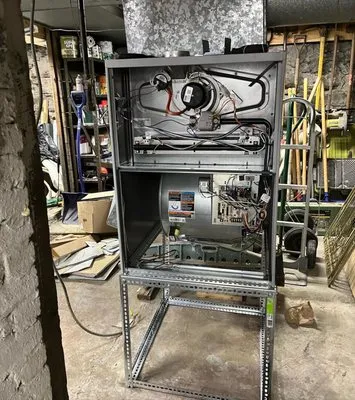
Zano HVAC/R & Plumbing is Hancock's trusted partner for year-round home comfort and reliable plumbing. As a family-owned, local business, we understand the unique challenges of homes in our area, incl...

Kaufmann Mechanical is a trusted, full-service provider for plumbing and electrical needs in Delhi, NY, and the surrounding Catskill region. We understand that local homeowners often face urgent issue...
StructureWorx is a Delhi-based handyman and repair service born from a long-standing local need. The company was founded by the owner of BH Decker, Inc., leveraging over twenty years of construction i...

All Phase Electric has been providing reliable electrical, mechanical, and home repair services to the Hobart, NY community for over 35 years. Our experienced team specializes in residential, commerci...
Estimated Plumbing Costs in Hamden, NY
Frequently Asked Questions
What should I do to prepare my plumbing for Hamden's cold winters and spring thaw?
Insulate exposed pipes before temperatures drop to 12°F, paying special attention to crawl spaces and exterior walls. Before spring thaw, clear gutters and downspouts to direct melting snow away from your foundation. Monitor for new leaks as ground freezing and thawing can shift pipes and reveal weak joints. These steps help prevent burst pipes and water damage during temperature swings.
Does Hamden's hilly terrain near the West Branch Delaware River affect my main water line?
Hilly slopes create gravitational stress on main water lines, particularly at connection points where pipes change direction. Soil erosion near the river basin can expose or undermine buried lines, leading to sagging or separation at joints. Proper drainage away from the foundation is crucial to prevent water from following the slope toward your home and putting hydrostatic pressure on underground plumbing.
How quickly can a plumber reach my home in Hamden Hamlet?
Heading past West Branch Delaware River on State Route 10, our dispatch route covers the main access to Hamden Hamlet. Response times typically run 45-60 minutes depending on your specific location off Route 10. We prioritize emergency calls and coordinate with local road conditions, especially during seasonal weather changes that affect travel in this area.
Who handles permits and inspections for plumbing work in Hamden?
The Town of Hamden Building Department issues local permits, while certain work requires New York State Department of State compliance. I handle the red tape so you don't have to—filing paperwork, scheduling inspections, and ensuring all work meets current codes. Proper permitting protects your investment and ensures your plumbing system is documented correctly for future homeowners.
My Hamden home was built around 1961—what should I expect from my plumbing now?
Galvanized steel pipes installed in 1961 are now 65 years old. Homeowners in Hamden Hamlet are seeing rust-colored water, reduced water pressure, and frequent leaks at threaded joints. The interior walls of these pipes have corroded to a point where mineral deposits and scale buildup restrict flow. Many systems from this era are reaching their functional lifespan and require partial or complete replacement.
Why do my old galvanized pipes keep springing pinhole leaks?
Galvanized steel pipes from 1961 suffer from internal corrosion that creates weak spots in the pipe walls. These pinhole leaks often appear at joints or along horizontal runs where water sits. The zinc coating has worn away over decades, exposing the underlying steel to oxygen and minerals in the water. This corrosion process accelerates in hard water conditions common to Hamden's private wells.
How does hard water from my private well affect my plumbing fixtures?
Hard water contains high mineral content that deposits scale inside pipes, water heaters, and fixtures. Over time, scale buildup reduces water heater efficiency by insulating heating elements and can lead to premature failure. Fixtures like showerheads and faucets develop reduced flow and may require more frequent cleaning or replacement due to mineral accumulation.
Are there special plumbing considerations for rural Hamden homes with wells and septic systems?
Private wells require regular water testing and proper pressure tank maintenance to protect plumbing fixtures. Septic systems need careful management of water usage to avoid overloading the drain field. Unlike municipal systems, well pumps and pressure switches are critical components that can fail and leave you without water. Understanding your complete water system helps prevent emergencies in this rural setting.
