Top Emergency Plumbers in Greene, NY, 13778 | Compare & Call

There are 30 plumbing companies server in Greene NY
Trinity Handyman Services is a trusted local provider in Montrose, PA, offering comprehensive home maintenance and repair solutions. With expertise spanning appliance installation and repair, plumbing...
NEPA Handyman serves homeowners and businesses in Montrose, PA, providing reliable repair and installation services to keep local properties functioning smoothly. Many Montrose homes face common issue...
R and R Contracting is a true Hallstead family business, proudly serving our neighbors for over 20 years. Founded by my grandfather and now operated by me, our hands-on approach means I'm right there ...
Craig Can Help is your trusted local handyman service in Sidney Center, NY, specializing in a wide range of home maintenance and improvement tasks. From handyman assembly and repair to door installati...
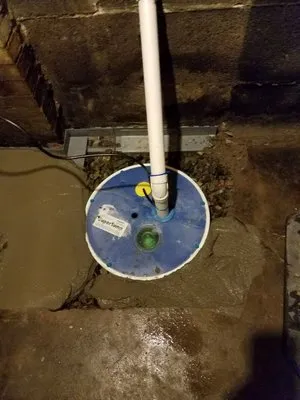
SouthernTier Basement Systems
SouthernTier Basement Systems is a locally owned and operated basement waterproofing and crawl space repair contractor serving the Southern Tier of New York, including Endwell, since 2009. As your loc...
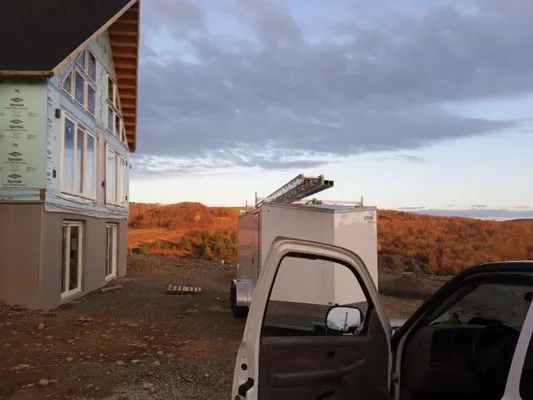
Precision Home Improvements & Property Management
Precision Home Improvements & Property Management helps Cincinattaus homeowners enhance and maintain their properties. We understand that your home is your sanctuary, and sometimes it needs to adapt—w...
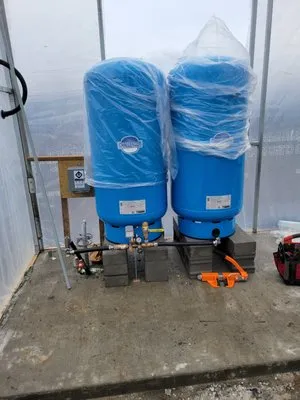
For over a decade, EZ-CO Plumbing has been the trusted local plumbing service for Sherburne, NY, and the surrounding communities. Founded and operated by Mike, the company is built on a passion for re...

Appolo Heating
Appolo Heating is a trusted HVAC and plumbing service provider serving Endicott, NY, and the surrounding areas. With a focus on reliable heating, cooling, and indoor air quality solutions, we prioriti...
BODEK is a locally owned and operated plumbing and HVAC service provider based in Binghamton, NY. Founded by Chris Bodek and grown from a single truck to a full fleet with trained professional technic...
Slavik
For over 40 years, Slavik has been a trusted family-owned plumbing and HVAC contractor serving Johnson City and Broome County. Founded by George Slavik Jr., who started in the trade during high school...
Estimated Plumbing Costs in Greene, NY
Frequently Asked Questions
Who handles permits and inspections for plumbing work in Greene?
Greene Town Code Enforcement requires permits for most plumbing modifications beyond basic repairs. As a New York Department of State Division of Licensing Services credentialed master plumber, I submit all paperwork and schedule inspections. This includes septic system approvals, well modifications, and sewer line replacements. Handling this red tape ensures work meets current codes without homeowner involvement in bureaucratic processes.
Are there special plumbing considerations for rural Greene properties?
Rural Greene homes with wells require pressure tank maintenance every 3-5 years to prevent pump cycling issues. Septic systems need pumping every 2-3 years with our hard water conditions, as minerals reduce tank capacity. Unlike municipal systems, well water lacks chemical treatment that inhibits corrosion in older pipes. Regular water testing identifies mineral content changes from the Chenango River watershed.
How quickly can a plumber reach my Greene home during an emergency?
Heading past Chenango River on NY-12, our dispatch route covers most Greene addresses within 45-60 minutes. We monitor traffic patterns around the Village Center to avoid delays. This timing holds for urgent calls like burst pipes or sewer backups requiring immediate attention.
My Greene home was built around 1943 - what should I expect from my plumbing now?
Galvanized steel pipes installed in 1943 are now 83 years old. In Village Center, homeowners are seeing frequent low water pressure and rust-colored water at fixtures. The interior walls of these pipes have corroded to about half their original diameter, restricting flow. Complete pipe failure often occurs between 80-100 years, so proactive replacement planning is wise.
How does Greene's hilly terrain near Chenango River impact my drainage system?
Slopes around Chenango River create gravity-fed drainage challenges where wastewater moves too quickly through some sections and pools in others. This uneven flow stresses main sewer line joints, leading to separation over time. Proper grading around foundation drains prevents water from following natural downhill paths toward your basement. We often install additional cleanouts on properties with significant elevation changes.
What should Greene homeowners do before spring thaw to prevent plumbing problems?
Before temperatures rise above freezing, disconnect garden hoses and shut off exterior faucets from inside. Insulate pipes in unheated crawl spaces, as our 12°F lows followed by rapid thaws cause expansion cracks. Keep cabinet doors open during cold snaps to allow warm air circulation around pipes. These simple steps prevent most freeze-related emergencies in our Snow Belt climate.
Does Chenango River water affect my home's plumbing equipment?
Hard water from the Chenango River causes scale buildup that reduces water heater efficiency by 30-40% over five years. Fixture aerators clog monthly without regular cleaning. Installing a whole-house water softener protects appliances and maintains flow rates. Without treatment, expect to replace water heaters every 8-10 years instead of the typical 12-15.
Why do my older Greene home's pipes keep springing small leaks?
Galvanized steel from 1943 develops pinhole leaks as internal corrosion creates weak spots. Joint calcification also occurs where threaded connections accumulate mineral deposits that crack fittings. These failures typically start in horizontal runs near fixtures rather than vertical stacks. Complete pipe replacement often proves more cost-effective than repeated spot repairs.
