Top Emergency Plumbers in Great Valley, NY, 14706 | Compare & Call

There are 217 plumbing companies server in Great Valley NY
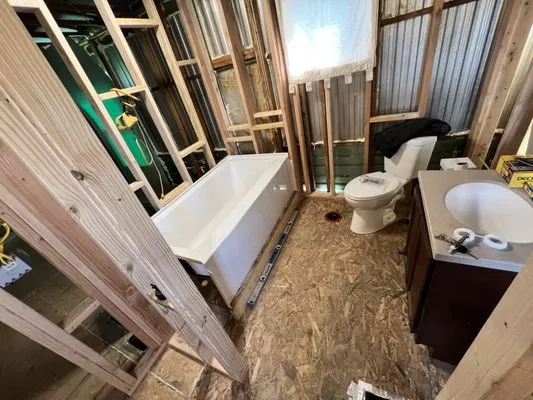
Pressure Pro's Plumbing Experts is Grove City's trusted local plumbing service, specializing in comprehensive solutions for residential plumbing needs. Serving the Grove City community, we address com...
Reichard Water Works
Reichard Water Works is a family-owned plumbing, heating, and air conditioning business serving Shippenville, PA, and surrounding areas within 30 miles of Clarion County. Owned by Chris Reichard, we s...
For over 35 years, Free Flow Sewer & Drain Cleaning has been the trusted local plumbing resource for Erie, PA, and surrounding communities like Millcreek, Fairview, and Girard. Founded in 1985, we pro...
Yankosky Drain Cleaning & Plumbing
Yankosky Drain Cleaning & Plumbing is a family-owned and operated business serving Erie, PA, and surrounding Erie County. Founded by Tim Yankosky, a plumber with over 35 years of experience, the compa...
As a licensed general contractor (HIC #PA137324) in Erie, PA, Mike brings a genuine passion for building, repairing, and restoring homes to every job. His business is built on a foundation of honesty,...
Holdsworth Plumbing
Holdsworth Plumbing is a trusted, full-service plumbing and construction contractor serving West Springfield and the surrounding region. We specialize in both emergency repairs and comprehensive proje...

Fisher's Plumbing & Heating
Fisher's Plumbing & Heating has been a trusted provider of plumbing and heating services in Western Pennsylvania since 1980. Based in Conneaut Lake, PA, the company brings over 40 years of experience ...
Concord Plumbing & Heating
Concord Plumbing & Heating is a trusted, locally-owned provider serving North East, PA, and the surrounding communities. We focus on delivering reliable plumbing and HVAC services for both residential...
Marsh Handyman Services is a locally owned and operated plumbing and handyman business proudly serving Waterford and Erie County. We specialize in a comprehensive range of services, from essential plu...
Freeman Construction Co LLC is a family-owned and operated business serving Pleasantville and the surrounding area for over 25 years. Founded by Richard, a contractor known for his hands-on expertise ...
Estimated Plumbing Costs in Great Valley, NY
Frequently Asked Questions
My copper pipes are original to my 1971 Great Valley home - what should I expect at this age?
Copper pipes installed in 1971 are now 55 years old. Homeowners in Great Valley Center are seeing pinhole leaks develop where the pipe walls have thinned from decades of water flow. These small leaks often appear first at joints or elbows where turbulence accelerates wear. At this age, the copper has experienced thousands of thermal cycles from our seasonal temperature swings, making the metal more brittle and prone to failure.
What should I do to prepare my plumbing for spring thaw?
Before spring thaw hits its peak, check all exposed pipes in crawl spaces and basements for existing leaks. Our 12°F winter lows can cause ground movement that stresses pipe connections. Insulate pipes in unheated areas and clear drainage paths around your foundation. A pro-tip: install a main water shutoff valve in an accessible location so you can quickly isolate your system if a pipe bursts during rapid temperature swings.
How does our hard well water affect my plumbing system?
Hard water from private wells deposits mineral scale inside pipes and water heaters. Over years, this buildup reduces water flow and causes water heaters to work harder, shortening their lifespan. Scale accumulation inside fixtures leads to reduced pressure and can damage valve seats. Water heaters in Great Valley homes often need replacement several years earlier than in areas with treated municipal water due to this constant mineral deposition.
What plumbing issues are unique to rural Great Valley homes?
Rural properties here rely on private wells and septic systems rather than municipal services. Well pumps and pressure tanks require regular maintenance that city dwellers never consider. Septic systems need proper drainage fields that account for our clay-heavy soil. Water quality varies significantly between properties, meaning treatment systems must be customized to each well's specific mineral content. These systems work together, so a problem with one often affects the others.
Why do my copper pipes keep developing small leaks?
Copper pipes from 1971 often fail at joints where solder has deteriorated over 55 years. The solder joints become brittle and develop hairline cracks that leak slowly. Another common issue is dezincification at brass fittings, where zinc leaches out leaving porous copper that fails under pressure. These failures typically start as intermittent drips that worsen with temperature changes.
Could the hilly terrain around Allegany State Park be causing my drainage problems?
The sloping terrain common around Allegany State Park creates drainage challenges for home plumbing systems. Downhill water pressure can stress main sewer lines, while uphill properties often deal with sediment accumulation in low spots of their drainage runs. Soil movement on hillsides gradually shifts pipe alignment, putting stress on joints that eventually fail. Properly graded drainage away from foundations is critical in this terrain to prevent water from following natural slopes back toward your home.
How quickly can a plumber reach my home in Great Valley?
Heading past Allegany State Park on US-219, I can typically reach most Great Valley addresses within 45-60 minutes. The route follows US-219 through the valley, with response time depending on your specific location off the main corridor. During winter months, I factor in extra time for road conditions, but emergency calls get priority routing regardless of weather.
What permits do I need for plumbing work in Great Valley?
Most plumbing projects require permits from the Town of Great Valley Building Department, with additional state-level compliance through the New York State Department of State Division of Building Standards and Codes. I handle this red tape for homeowners, submitting proper documentation and scheduling required inspections. The process ensures work meets current codes for safety and longevity, particularly important with our older housing stock and unique environmental conditions.
