Top Emergency Plumbers in Great Neck Estates, NY, 11021 | Compare & Call

Great Neck Estates Emergency Plumbers
Phone : (888) 860-0649
There are 239 plumbing companies server in Great Neck Estates NY

Paramus Plumbing & Mechanical
Founded in 2007, Paramus Plumbing & Mechanical has grown from a dedicated plumbing service into a versatile mechanical contracting firm serving all of Bergen County. We are a union-organized company c...
Schaaf Plumbing & Heating
Serving the Ridgefield community and surrounding Bergen and Hudson counties for over a century, Schaaf Plumbing & Heating is a family-owned business built on reliable, expert service. Since 1941, our ...
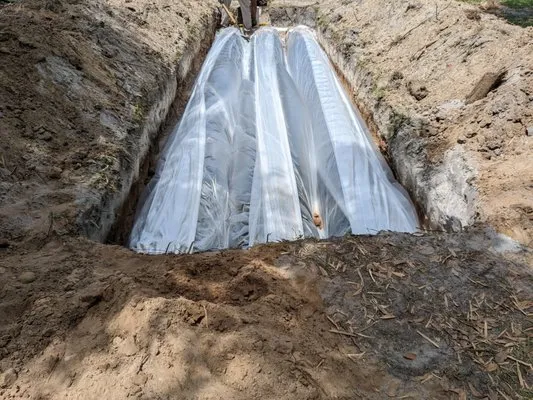
José Luis Casas provides reliable, expert plumbing services to Jersey City homeowners. Understanding the unique challenges of local infrastructure, including leaks from aging pipes and corrosion accel...

Zabivay is a licensed home improvement company serving Forest Hills, NY, specializing in plumbing, electrical work, and appliance repair. With a focus on reliability and customer satisfaction, they of...
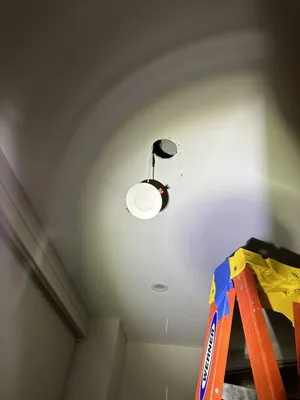
Bullseye Mechanical Corp.
For over 20 years, Bullseye Mechanical Corp. has been the reliable plumbing and heating expert for New York City. We take immense pride in our trade, handling everything from routine faucet repairs to...

Stitch Coterie is a Manhattan-based home renovation company founded in 2009 by two brothers with deep expertise in plumbing, HVAC, and mechanical systems. With over a decade of experience serving New ...
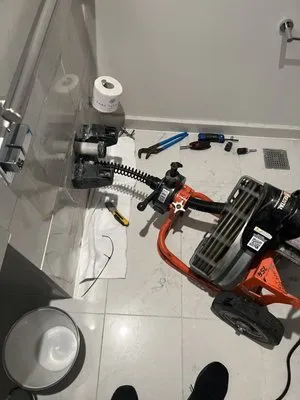
ASAP Solutions, founded in 2009 by Udi, is a licensed and insured contractor serving Manhattan and the five boroughs. We are a one-stop shop for plumbing, electrical, and general maintenance, providin...
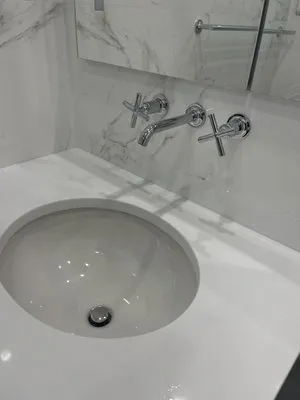
BK Piping and Heating is a licensed plumbing and heating service based in The Bronx, NY, dedicated to providing reliable solutions for both residential and commercial properties. We specialize in wate...
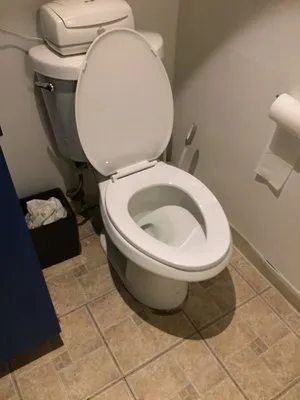
Pipe Monkeys Sewer and Drain, Inc. is your local Maspeth plumbing expert. Founded in 2018, owner Kyriakos brings over a decade of hands-on experience to every job, specializing in the intricacies of s...
Tom's Plumbing & Heating Services is a family-operated business serving Flushing and the surrounding areas with over 25 years of trusted experience. Founded on a tradition of honest, reliable work, we...
Estimated Plumbing Costs in Great Neck Estates, NY
Frequently Asked Questions
What permits do I need for a bathroom renovation in Great Neck Estates?
Any work altering supply or waste lines requires a plumbing permit from the Great Neck Estates Building Department. As a Master Plumber licensed through the Nassau County Department of Consumer Affairs, I pull all required permits, schedule and pass the necessary inspections. This ensures the work is documented and up to code, which is critical for your home's value and insurance.
How quickly can a plumber get to my house in an emergency?
For a burst pipe, my typical dispatch from the Stepping Stone Lighthouse area involves heading south on the Meadowbrook Parkway to connect with I-495. That corridor provides a direct 20-30 minute route into most of Great Neck Estates, barring major traffic. Knowing the backstreets off Northern Boulevard helps shave off time when every minute counts.
Why do the homes in Great Neck Estates Village Center have such low water pressure?
Homes built around 1938 are now 88 years old. The galvanized steel water lines originally installed have corroded and accumulated mineral scale from the local hard water for nearly nine decades. This buildup severely restricts the interior diameter of the pipe, reducing flow to a trickle at fixtures. It's a predictable, age-related failure we see consistently in these neighborhoods.
Does the local water shorten the life of my water heater?
Yes, the hard water from the Manhasset-Lakeville Water District directly impacts appliance longevity. Minerals like calcium and magnesium precipitate out as scale, coating the heating elements and tank interior. This insulating layer forces the heater to work harder, increasing energy costs, while also trapping heat against the tank wall, which can lead to premature failure.
What causes those sudden pinhole leaks in my basement pipes?
Galvanized steel from 1938 has a finite lifespan. The zinc coating that prevents rust wears away over time, leaving the underlying iron exposed. In our coastal, humid air, this leads to accelerated internal corrosion. The pipe wall thins until a pinhole forms, often at a threaded joint or where two dissimilar metals meet without a proper dielectric union.
Could the slope of my property be causing drainage issues?
The coastal terrain here has a natural grade toward the water. If your home's main sewer line, which runs from the house to the municipal connection in the street, is laid across this slope, the lateral can experience settling or stress. This can create low spots where waste collects or misaligned joints that lead to recurrent clogs and backups.
My drains are slow but the village says the main sewer line is clear. What's wrong?
In a suburban setting like this, the problem is almost always in your private property line. Tree roots seek moisture and can infiltrate the older clay or cast iron sewer lateral between your house and the street curb. They cause persistent slow drains and blockages that municipal maintenance doesn't cover, as it's the homeowner's responsibility.
What's the most important thing to do before spring to avoid plumbing problems?
Before the spring thaw hits its peak, disconnect and drain all outdoor garden hoses. A hose left connected traps water in the exterior faucet and supply line. When overnight lows still dip near 27°F, that trapped water can freeze, expand, and crack the pipe inside your wall. This simple, five-minute task prevents a very costly repair.
