Top Emergency Plumbers in Fort Montgomery, NY, 10922 | Compare & Call

There are 237 plumbing companies server in Fort Montgomery NY
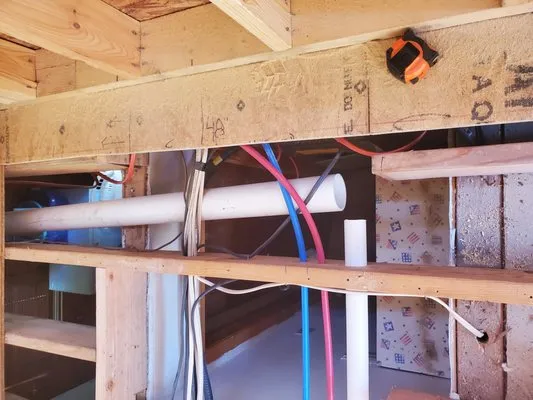
Tri-County Plumbing And Drain Cleaning is your trusted local plumbing expert serving Milford, PA, and the surrounding areas. We specialize in faucet repair, plumbing inspections, and comprehensive plu...
Milford Plumbing & Heating
Milford Plumbing & Heating is a trusted, family-oriented business serving the Milford, PA community for generations. Founded by Hank, the company has built lasting relationships with over 5,000 custom...

A. Conway Plumbing & Heating is a family-owned and operated business that has served Oradell, NJ, and the surrounding communities for over 30 years. Master Plumber Al Conway began his career as an app...

Dutra Sewer & Water is a trusted, family-owned plumbing and excavation business serving Montvale and the greater Bergen County area. Founded by local resident Mike Dutra in 1975, the company's roots r...
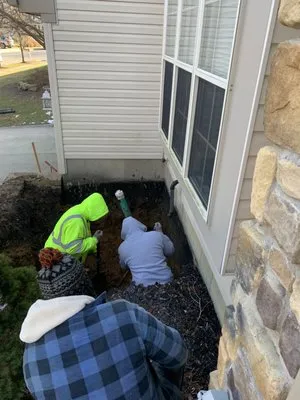
Guardian Plumbing & Heating
Guardian Plumbing & Heating is a Wenonah-based plumbing and heating service provider dedicated to solving both common and complex issues for local homes and businesses. We handle everything from routi...
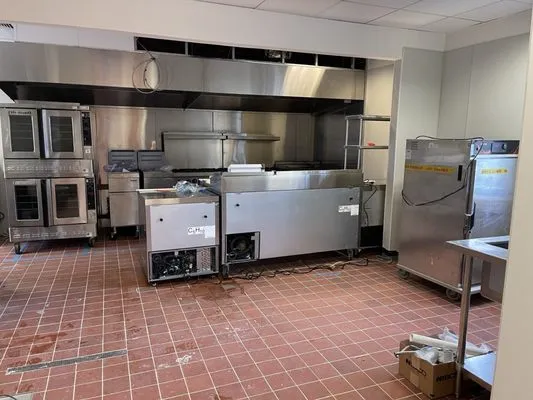
Jersey Point Management
Jersey Point Management is a trusted Montclair-based construction and inspection firm dedicated to addressing the specific challenges of our local housing stock. Many homes in the area face issues due...
Peterson Plumbing and Heating Services has been the trusted choice for plumbing and heating needs in Montvale and surrounding communities since 1963. As a family-owned and operated local business, we ...

Base Plumbing & Heating is a trusted, local plumbing service provider in Hawthorne, New Jersey. We specialize in diagnosing and resolving the common plumbing issues faced by Hawthorne homeowners, such...

Stitch Coterie is a Manhattan-based home renovation company founded in 2009 by two brothers with deep expertise in plumbing, HVAC, and mechanical systems. With over a decade of experience serving New ...
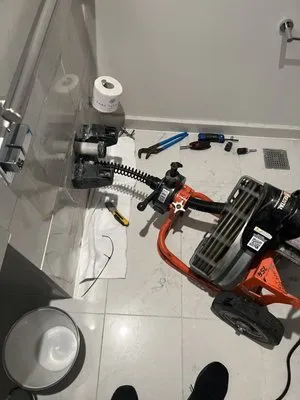
ASAP Solutions, founded in 2009 by Udi, is a licensed and insured contractor serving Manhattan and the five boroughs. We are a one-stop shop for plumbing, electrical, and general maintenance, providin...
Estimated Plumbing Costs in Fort Montgomery, NY
FAQs
What's the most important spring plumbing task for Fort Montgomery homes?
The critical task is checking all exterior hose bibs for freeze damage after winter. Our temperate climate with lows around 17°F means pipes in unheated crawl spaces or against exterior walls can still freeze and crack. After the spring thaw, turn on each outdoor faucet with the hose disconnected and check for steady flow. If water sprays from the stem or the valve body, the internal pipe section likely split and needs replacement before it floods the wall cavity.
How fast can a plumber get to Fort Montgomery during a leak?
Heading past Bear Mountain Bridge on US-9W is the primary route for service calls. Depending on traffic crossing the bridge, it's typically a 45 to 60 minute dispatch from our shop. We factor in that travel time when giving you an arrival window, so you know what to expect. For true emergencies, we can often coordinate with local contacts to have a crew on the way while we're en route.
How long do copper pipes last in Fort Montgomery?
Homes built in 1974, which includes many in Fort Montgomery Heights, are now dealing with 52-year-old copper plumbing. At this age, the protective mineral layer inside the pipes has often worn thin from decades of hard water flow. Homeowners frequently start seeing persistent pinhole leaks, particularly in hot water lines or at solder joints, where corrosion works from the inside out. This isn't a sign of poor initial work; it's simply the expected service life for copper in our water conditions.
Does Hudson River water damage water heaters in Fort Montgomery?
Indirectly, yes. The mineral content that makes our water hard leads to accelerated scale buildup inside tank water heaters. This insulating layer of scale forces the heater to work harder, shortening its lifespan and increasing energy costs. For tankless units, scale can clog the small heat exchanger channels, causing overheating and shutdowns. Installing a whole-house water softener is the most effective long-term defense for protecting all your appliances and fixtures from this scaling.
What permits are needed for a water heater replacement in Fort Montgomery?
The Town of Highlands Building Department requires a permit for any water heater replacement, as it involves gas, water, and pressure safety. As a master plumber licensed through the New York Department of State Division of Licensing Services, I handle pulling that permit, scheduling the required inspection, and ensuring the installation meets all current code for venting and seismic strapping. My crew manages the entire process so you don't have to navigate the town office red tape yourself.
Do Fort Montgomery homes on wells need special plumbing consideration?
Absolutely. Well systems here require specific maintenance that municipal supply homes don't. The pressure tank and its bladder need regular checks, and the well pump itself has a finite lifespan. Hard water from a private well also means your anode rod in the water heater will deplete faster, requiring more frequent replacement to prevent tank corrosion. It's wise to have the entire well system, including the pitless adapter, inspected every few years for proactive repairs.
Can the hilly land around Bear Mountain Bridge cause plumbing problems?
The steep slopes common here put significant static pressure and physical stress on a home's main water supply line. Over years, this can lead to stress fractures at pipe fittings or where the line enters the foundation. Furthermore, during heavy rain, surface water rushing down a hill can erode soil around buried pipes, leaving them unsupported. This often manifests as a sudden drop in water pressure or sediment in your taps, signaling a breach in the main line.
Why do my 1970s copper pipes keep springing pinhole leaks?
Copper installed in the early 1970s is prone to pinhole leaks due to a combination of age and water chemistry. Over five decades, the constant flow of our hard, mineral-rich water can create localized corrosion cells inside the pipe wall. This corrosion eats through from the inside, creating a small leak long before the pipe appears compromised from the outside. The problem often clusters in a home's first 10-15 feet of pipe from the water main, where water velocity and mineral content are highest.
