Top Emergency Plumbers in Ellenburg, NY, 12920 | Compare & Call

There are 111 plumbing companies server in Ellenburg NY
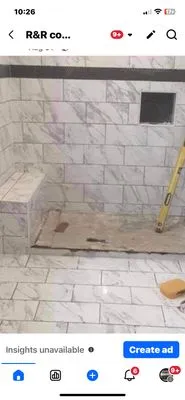
R&R Contracting has been a trusted name in Harrisville, NY, and the surrounding region since 2004. We are a full-service contracting company dedicated to improving and protecting your home. From compr...
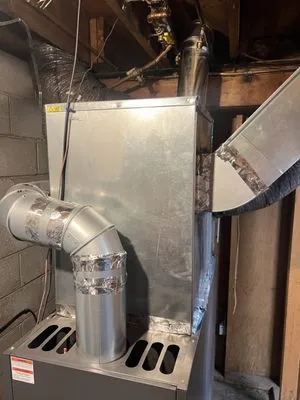
Hadfield Heating & Plumbing
Hadfield Heating & Plumbing is your trusted, local plumbing and HVAC expert serving Harrisville, NY, and the surrounding communities. For years, we've helped local homeowners tackle common issues like...

Baker Mechanical
Baker Mechanical is a trusted plumbing service provider in Canton, NY, dedicated to addressing the specific plumbing challenges faced by local homeowners. With expertise in plumbing inspections, the c...
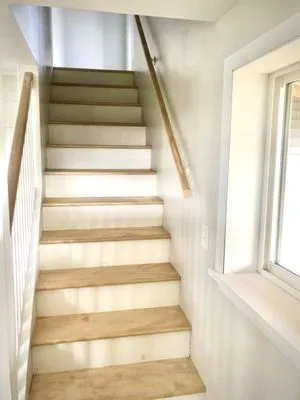
Seven Seasons in Redwood, NY, is a full-service construction and remodeling company dedicated to transforming homes and building new ones with a focus on quality and clear communication. We partner wi...

Night Owl Drain Cleaning is a licensed, code-compliant plumbing service based in Potsdam, NY, serving St. Lawrence County with 24/7 availability. We specialize in drain cleaning and plumbing repairs, ...
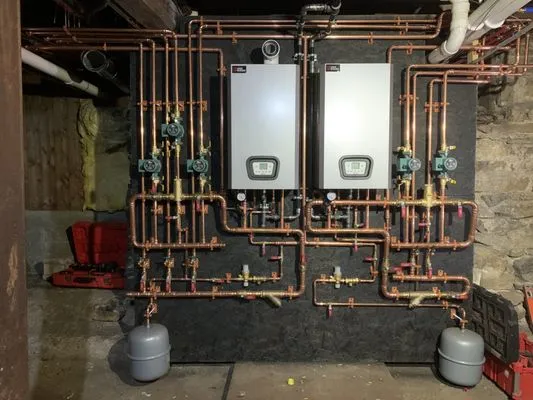
Wollman Heating and Plumbing is your trusted, full-service contractor serving Gouverneur, NY, and the surrounding area. As a family-owned business with deep roots in the community, we understand the s...

For over a decade, Energy Wise Builders has been rooted in the Massena community, born from a lifelong dream to run a business fueled by genuine passion for the work. We believe in a hands-on approach...
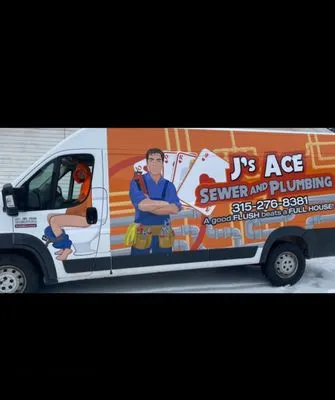
J's Ace Sewer and Plumbing provides reliable sewer and plumbing services to homes and businesses throughout Massena and Saint Lawrence County. We specialize in drain and sewer line services, including...
Northern Plumbing Services is your trusted local plumbing expert serving Dickinson Center, NY, and surrounding areas. We specialize in comprehensive plumbing solutions, including bathtub, drain, fauce...
Reids Plumbing Heating and Cooling is a trusted local service provider in Hermon, NY, offering comprehensive solutions for plumbing, heating, and cooling needs. We specialize in drain, faucet, garbage...
Estimated Plumbing Costs in Ellenburg, NY
FAQs
Does hard well water ruin water heaters faster here?
Yes, consistently. Private wells in Ellenburg pull from groundwater with high mineral content. That hardness leads to rapid scale buildup inside the tank of your water heater, acting as an insulator that forces the heating elements to work harder and overheat. It also coats the anode rod, rendering it useless and allowing the tank steel to corrode. You'll see a shorter lifespan on the heater itself and reduced hot water pressure as the inlet and outlet pipes constrict with scale.
Could the hilly land around Ellenburg Depot cause sewer line problems?
The slope of the land here directly stresses main sewer lines. A line running down a hill can experience accelerated flow that leads to erosion of joint seals over time. More commonly, a lateral line running from a house built into a hillside will have multiple bends or sagging sections where solids settle out, creating chronic clogs. The soil movement from freeze-thaw cycles on these slopes can also shear or misalign older pipe connections.
As a rural homeowner with a well and septic, what plumbing issues are unique to my setup?
Your entire water system operates on private pressure, typically from a well pump and pressure tank. A failing pressure switch or a waterlogged tank can cause rapid pressure cycling that hammers your pipes and fixtures, leading to premature leaks. On the septic side, any drain cleaner or chemical sent down the sink can kill the bacterial action in your tank, leading to backups and drain field failure. You're responsible for the entire cycle, from the well pump to the septic field, which changes the priority of repairs.
What's the most important thing to do with my plumbing before spring in the Snow Belt?
Before the spring thaw peaks, disconnect any garden hoses from your exterior faucets. A hose left connected traps water in the faucet bib, which will freeze during a 2°F night and crack the pipe inside your wall. The real damage often doesn't show until the ice plug melts and water flows into your basement or crawlspace. It's a simple, five-second step that prevents one of the most common and destructive freeze-related calls we get each March.
My copper pipes are constantly leaking. Is this normal for houses around Ellenburg Center?
It's a common pattern we're seeing. Homes in Ellenburg and Ellenburg Center were typically built around 1968, which means the copper plumbing is now about 58 years old. At this age, the pipe walls have thinned significantly from decades of water flow and mineral interaction. Homeowners often first notice pinhole leaks appearing in the horizontal runs behind walls or under floors. This isn't a flaw in your specific home, but a predictable life cycle for copper systems of this vintage in our area.
How long does it take for a plumber to get to Ellenburg for an emergency call?
A typical dispatch from my shop involves heading past Ellenburg Depot on US-11, which is the main artery for the area. Under ideal conditions, the drive from staging to most addresses is 45 to 60 minutes. Traffic is rarely a factor, but winter road conditions or heavy equipment on the two-lane sections can add time. We factor that transit into our dispatch schedule so you have a realistic window for arrival.
Do I need a permit from Clinton County to replace my water heater?
Yes, most major plumbing work in Clinton County requires a permit through the Planning Department. I handle that red tape as part of the job. My New York State Department of State license and insurance are filed with the county, so the inspection process is straightforward. This isn't just bureaucracy; it ensures the work meets current code for safety and proper venting, which is critical for your family's protection and for maintaining your home's value.
Why do my copper pipe joints keep failing in my 1960s house?
Copper systems from the late 1960s often used soldered joints without dielectric unions where they connected to steel components like water heaters or older valves. After nearly six decades, galvanic corrosion at these dissimilar metal connections accelerates failure. You'll see leaks right at the base of the water heater nipples or at old gate valve connections. The joints become brittle and the solder itself can corrode away, leading to sudden separation.
