Top Emergency Plumbers in East Rochester, NY, 14445 | Compare & Call

There are 110 plumbing companies server in East Rochester NY
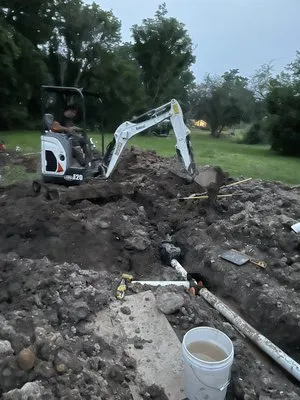
Jetter Drains is a trusted plumbing service provider in Dickson City, PA, specializing in a wide range of solutions from drain and sewer services to comprehensive plumbing and septic system work. We h...
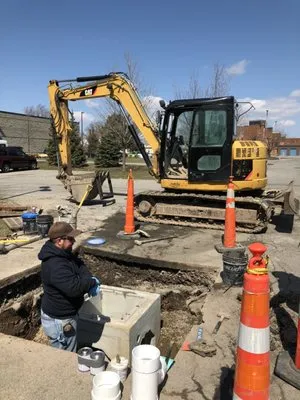
For over 30 years, Kimil Construction has been a foundational part of Buffalo's construction and plumbing landscape. Founded in 1990, the company provides comprehensive plumbing solutions, handling ev...
AP Plumbing is a family-owned, licensed, and insured plumbing service that has been serving the Greater Rochester area since 1986. We provide comprehensive residential and commercial plumbing solution...
Vacchetto's Handyman Services is a trusted local provider in Clyde, NY, offering comprehensive home maintenance and repair solutions. We specialize in appliance installation and repair, plumbing servi...

Vanguard Plumbing brings over 13 years of professional expertise to Hamlin, NY, focusing on honest, reliable service for every household. Founded on the principle that integrity comes first, we built ...
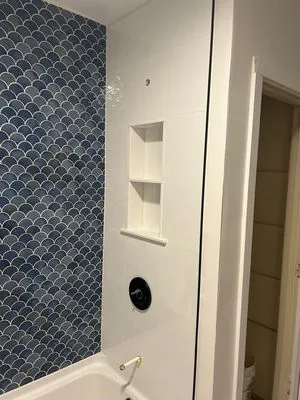
Maroney's Enterprise is a family-operated home services company in Walworth, NY, built on a lifelong passion for skilled trades. With over 17 years of hands-on experience and serving the community sin...
Monroe County Plumbing Services
Monroe County Plumbing Services is a locally owned and operated plumbing business serving Monroe County, NY, with 27 years of experience. Founded by Gary Raskopf, the company provides reliable plumbin...

Mr Rooter Plumbing
Mr. Rooter Plumbing of Rochester is your local, independently owned and operated plumbing service, built on a foundation of trust established over 50 years ago. We bring the reliability of a national ...

Rick Sanford of RSanford Services is a third-generation plumber with over two decades of experience serving Albion, NY, and the surrounding communities. Driven by a personal commitment to excellence a...
Main Line Plumbing
Main Line Plumbing is a licensed plumbing service founded in January 2021, serving Spencerport, NY, and the surrounding Rochester area. While the company is relatively new, our team brings over 75 yea...
Estimated Plumbing Costs in East Rochester, NY
Frequently Asked Questions
Do I need a permit to replace my water heater or repipe my house?
Yes, the East Rochester Building Department requires permits for most major plumbing work to ensure it meets state and local code. As a Master Plumber licensed by the New York State Department of State Division of Licensing Services, I handle pulling the permit, scheduling inspections, and managing all the red tape so you do not have to. This protects your home's value and ensures the installation is done correctly and safely.
Why is my East Rochester water pressure so low?
Your home likely has original galvanized steel supply lines, which means the pipes are now 83 years old. At this age, mineral scale and rust completely fill the inside diameter of the pipe, sometimes narrowing it to the size of a pencil. It is a progressive failure; you will notice a steady drop in flow at faucets and showerheads over time. Replacing these lines with modern copper or PEX is the only permanent solution for East Rochester Village homes.
What is causing the small leaks in my basement pipes?
Those are likely pinhole leaks, a classic failure point for 1943-era galvanized steel. Decades of internal corrosion create thin, weak spots that finally give way under constant water pressure. The leaks often appear first at threaded joints or along horizontal runs. Temporary patches rarely hold; the affected section requires replacement to prevent further water damage and pipe failure.
Does Hemlock Lake water affect my plumbing appliances?
Yes, the hard water from Hemlock Lake leads to significant scale buildup. Inside your water heater, this mineral accumulation acts as an insulator, forcing the unit to work harder and fail years earlier. You will also see scale crusting on showerheads and faucet aerators, which reduces flow. Installing a whole-house water softener is the most effective defense for protecting your investment in fixtures and appliances.
How can I prepare my pipes for a Rochester winter?
Insulate all exposed pipes in unheated spaces like crawl spaces and garages before temperatures hit the seasonal low of 18°F. A critical pro-tip for our Snow Belt is to disconnect and drain your garden hoses in the fall; a frozen hose bib can split the pipe inside your wall. Also, know the location of your main water shut-off valve in case a pipe does freeze and burst during a spring thaw.
My drains are slow, but the town says the sewer main is clear. What's wrong?
In a suburban setting like ours, the problem is usually in your private sewer lateral, the pipe that connects your home to the municipal main. Tree roots are drawn to the moisture and nutrients in older pipe joints, and they can infiltrate and cause complete blockages. Municipal pressure is typically consistent, so recurring slow drains point to a root intrusion or a belly in your own line that needs to be cleared or repaired.
How fast can a plumber get to my house in East Rochester?
For most calls, we are on the road within 20-30 minutes. Our typical dispatch route from the village involves heading past Eyer Park to access I-490, which provides a direct artery to any neighborhood. We factor in local traffic patterns and keep our service vehicles stocked to handle common emergencies on the first visit.
Could the hilly land in East Rochester cause plumbing problems?
The slope of the terrain, like around Eyer Park, directly stresses the main sewer line running from your home to the street. Over decades, this constant gravitational pull can cause the pipe to sag or its joints to separate. That stress, combined with shifting soil during freeze-thaw cycles, is a common reason for blockages or leaks in the main lateral that require professional camera inspection to diagnose.
