Top Emergency Plumbers in East Norwich, NY, 11732 | Compare & Call

There are 237 plumbing companies server in East Norwich NY

Stitch Coterie is a Manhattan-based home renovation company founded in 2009 by two brothers with deep expertise in plumbing, HVAC, and mechanical systems. With over a decade of experience serving New ...
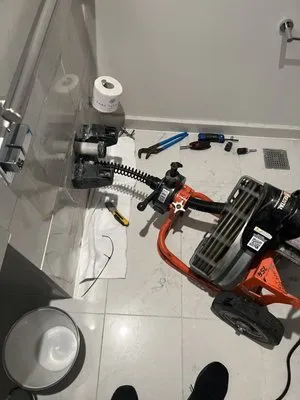
ASAP Solutions, founded in 2009 by Udi, is a licensed and insured contractor serving Manhattan and the five boroughs. We are a one-stop shop for plumbing, electrical, and general maintenance, providin...
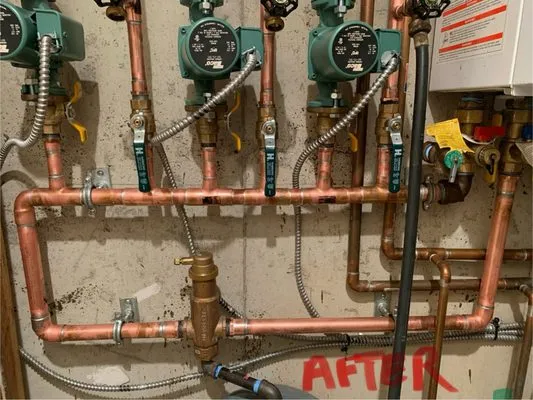
GME Plumbing & Heating
GME Plumbing & Heating is a locally owned and operated business serving Bronx Park and the surrounding areas since 2008. Founded on a commitment to integrity and reliable service, we focus on providin...
MKC Plumbing & Heating
MKC Plumbing & Heating was founded by a team of experienced plumbers with a clear mission: to provide reliable residential and commercial plumbing services for Long Island. We are committed to deliver...
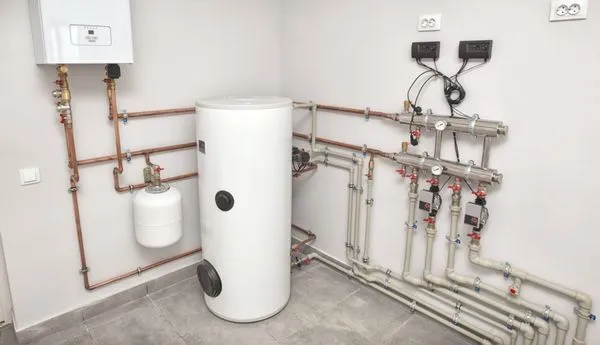
Oh Gush Sewer & Drain SVC is a locally-owned plumbing business serving New York, NY since 2019. We provide 24-hour emergency plumbing services with a focus on water heater installation and repair, dra...
KCS Plumbing & Heating is a trusted, licensed, and insured plumbing service provider serving Yonkers, NY, and the surrounding areas. With over a decade of hands-on experience, we specialize in a compr...
Platinum Plumbing Service is a trusted, state-certified plumbing and heating company serving Massapequa and Long Island since 1996. With over 25 years of experience, our certified professionals specia...

Intrepidus Piping & Heating Services is a family-founded and operated plumbing business rooted in Queens, NY. The owner's journey began under the mentorship of his uncles in the trade, but a deep desi...
Sturks Sewer Works is a trusted plumbing and sewer service provider serving New York, NY, with over two decades of experience. We specialize in comprehensive solutions including bathtub, drain, faucet...

DC Piping & Heating Corp is a licensed plumbing service provider serving The Bronx, NY, with a focus on residential plumbing needs. We offer prompt and professional solutions for installation, repair,...
Estimated Plumbing Costs in East Norwich, NY
FAQs
As a suburban homeowner, what's my biggest plumbing risk?
In a suburban setting like ours, the lateral sewer line connecting your home to the municipal main is a primary concern. Tree roots from our mature landscaping are drawn to the moisture and nutrients in older pipes, especially at joints. They can infiltrate and completely block the line, leading to backups. It's wise to have the lateral inspected with a camera if you haven't in the last decade.
If I have a plumbing emergency in East Norwich, how long does it take for a plumber to get here?
From our shop, a typical dispatch route heads past Planting Fields Arboretum on NY-106 to reach most of East Norwich. Barring major traffic, that's a reliable 20 to 30-minute response window. We factor in that route daily, so you get an accurate arrival time when you call.
Do I need a permit to replace my water heater or repipe my house?
Yes, most major plumbing work requires permits from the Town of Oyster Bay Department of Planning and Development. As a master plumber licensed with Nassau County, I handle pulling those permits, scheduling inspections, and ensuring the work meets all current code. My credentials mean I manage the red tape so you don't have to navigate the county and town departments yourself.
Does Long Island's hard water damage my water heater?
Absolutely. The hard water from the aquifer system carries dissolved minerals, primarily calcium and magnesium. Inside your water heater, these minerals precipitate out as scale, forming a dense, insulating layer at the bottom of the tank. This forces the heating element to work harder, increasing your energy bills and significantly shortening the tank's lifespan due to overheating and sediment buildup.
Could the hilly land near Planting Fields be causing my drainage issues?
The slope of the land can directly impact your property's drainage. On a hillside, stormwater runoff gains speed and volume, which can overwhelm gutter downspouts and exterior foundation drains if they aren't directed well away from the house. This constant saturation puts hydrostatic pressure on your home's foundation and can stress the main sewer line, potentially leading to infiltration or joint failure over time.
My East Norwich Estates home was built in the late 1950s. Should I be worried about my original plumbing?
Yes, it's a common concern here. Your galvanized steel pipes are now about 69 years old, which is well beyond their 50-year service life. What you'll see first is a drop in water pressure and reddish-brown water from rust and scale buildup inside the pipes. This internal corrosion is the main reason these older systems eventually develop pinhole leaks, often starting at joints and threaded fittings.
What's the best thing to do with my plumbing before spring?
Before the spring thaw hits its peak, make sure any exterior hose bibs are shut off from inside the house and drained. A pro-tip for our temperate climate is to also check the insulation on pipes in unheated crawl spaces or garages. While our 25-degree lows aren't extreme, a rapid thaw after a cold snap is when exposed pipes are most vulnerable to cracking from the pressure change.
Why do I keep getting pinhole leaks in my pipes?
Pinhole leaks are the signature failure of 1950s-era galvanized steel. After nearly 70 years, the interior zinc coating has completely degraded, leaving the raw steel to rust. The hard water in our area accelerates this by depositing mineral scale, which creates uneven pressure points. The pipe wall corrodes from the inside out at these weak spots until it perforates.
