Top Emergency Plumbers in Dryden, NY, 13053 | Compare & Call

There are 33 plumbing companies server in Dryden NY
Bassett Plumbing & HVAC is a trusted, locally-owned service provider serving Dundee, NY, and the surrounding Finger Lakes region. We offer comprehensive plumbing and HVAC solutions, from emergency rep...
Superior Drain Solutions
Superior Drain Solutions is a locally owned and operated plumbing and drain service company serving Brewerton and the surrounding communities. With a history rooted in a general contracting background...
Sunshine Trade Services is your trusted, local handyman and trade specialist serving Syracuse, NY, and the surrounding communities. We understand the unique challenges Central New York homes face, esp...
D Lilley Sewer Drain and Handyman Services
D Lilley Sewer Drain and Handyman Services is your trusted, local solution for plumbing and home maintenance in La Fayette, NY. As a family-owned and operated business, we understand the unique challe...
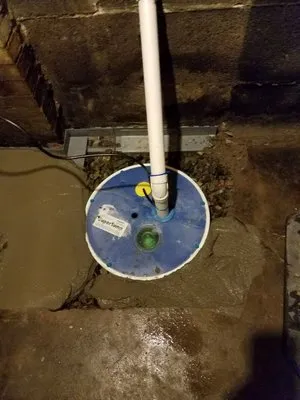
SouthernTier Basement Systems
SouthernTier Basement Systems is a locally owned and operated basement waterproofing and crawl space repair contractor serving the Southern Tier of New York, including Endwell, since 2009. As your loc...
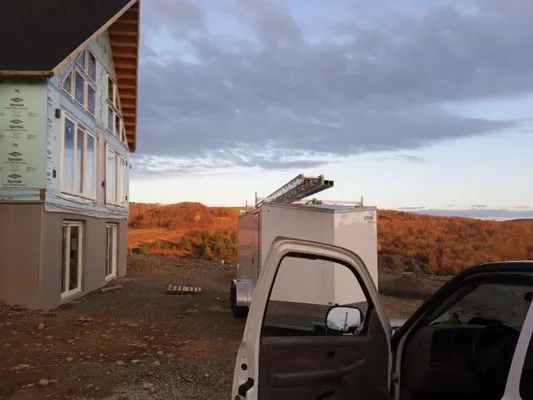
Precision Home Improvements & Property Management
Precision Home Improvements & Property Management helps Cincinattaus homeowners enhance and maintain their properties. We understand that your home is your sanctuary, and sometimes it needs to adapt—w...
Since 2016, Temperature Pro of Syracuse has been a trusted name for home comfort and reliability in Syracuse, NY. We are a local team of state-licensed HVAC professionals dedicated to providing effici...
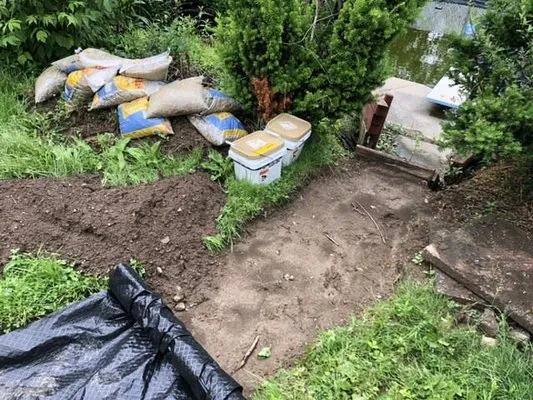
FAM Construction is a trusted general contractor serving Syracuse, NY, with a focus on quality craftsmanship and clear communication. We specialize in transforming homes through comprehensive services...
AMR Construction is a family-owned and operated business serving Binghamton, Broome County, Tioga County, and the surrounding Southern Tier. With over 15 years of hands-on experience, owner Anthony M....
For over a decade, EZ-CO Plumbing has been the trusted local plumbing service for Sherburne, NY, and the surrounding communities. Founded and operated by Mike, the company is built on a passion for re...
Estimated Plumbing Costs in Dryden, NY
Frequently Asked Questions
Are there special plumbing considerations for rural Dryden homes?
Rural Dryden properties often combine municipal water with septic systems, requiring different maintenance than urban setups. Septic tanks need pumping every 3-5 years depending on household size—neglecting this causes drain field failure. Well components like pressure tanks and pumps require annual checks for proper operation. Water quality testing is essential since private wells aren't treated by the municipal system. Keeping detailed records of septic and well service helps troubleshoot issues faster.
How quickly can a plumber reach my home in Dryden during an emergency?
Heading past Dryden Lake on NY-13, our dispatch route covers most of the town within 45-60 minutes. Traffic on NY-13 is generally light, but winter conditions in the Snow Belt can add time. We prioritize calls based on severity—burst pipes or sewage backups get immediate routing. For non-emergencies like dripping faucets, we schedule same-day or next-day appointments to maintain response capacity.
Does Dryden's hard water damage my water heater or fixtures?
Dryden Municipal Water System delivers hard water with high mineral content that causes scale buildup. Inside water heaters, this scale accumulates on heating elements and tank walls, reducing efficiency by up to 30% and shortening lifespan. Fixtures like showerheads and faucet aerators clog with mineral deposits, decreasing water pressure. Installing a whole-house water softener protects appliances and maintains consistent flow throughout your plumbing system.
How does Dryden's hilly terrain affect my home's drainage system?
Hilly slopes around Dryden Lake create drainage challenges for residential plumbing. Downward pressure on main sewer lines increases stress at connection points, leading to joint separation over time. Surface water runoff during heavy rains can overwhelm perimeter drains if not properly graded away from foundations. Homes at lower elevations may experience sewer backup during peak flow periods. Installing backwater valves and maintaining cleanouts prevents most terrain-related issues.
What's the most important winter plumbing tip for Dryden's cold climate?
Insulate pipes in unheated spaces before temperatures hit 14°F. Crawlspaces, attics, and garage lines are most vulnerable to freezing during Dryden's Snow Belt winters. Keep cabinet doors open to allow warm air to circulate around sink pipes during cold snaps. During spring thaw, check for leaks where expanding ice may have cracked pipes. A slow drip from faucets overnight prevents pressure buildup if pipes do freeze.
Who handles permits and inspections for plumbing work in Dryden?
The Town of Dryden Building Department issues permits for most residential plumbing projects, while the New York State Department of State oversees licensed plumber credentials. I handle the red tape so you don't have to—pulling permits, scheduling inspections, and ensuring work meets current code requirements. This includes everything from water heater replacements to full bathroom remodels. Proper documentation protects your home's value and ensures systems operate safely for years.
My Dryden Village Center home was built around 1975—what should I expect from my plumbing now?
Copper pipes installed in 1975 are now 51 years old. Homeowners in Dryden Village Center often notice pinhole leaks appearing in bathroom walls or basement ceilings as the copper thins from decades of water flow. These small leaks can escalate quickly, especially behind finished walls where they go unnoticed until water damage appears. Regular inspections of exposed pipes in basements and crawlspaces help catch issues before they become emergencies.
Why do my 1970s copper pipes keep springing leaks in Dryden?
Copper pipes from the 1970s often develop pinhole leaks due to corrosion from hard water minerals and age-related thinning. Joint calcification is another common issue—mineral deposits build up at solder joints, creating weak points that crack under pressure. These failures typically occur first in hot water lines and areas with frequent temperature changes. Re-piping affected sections with modern copper or PEX prevents recurring problems.
