Top Emergency Plumbers in Dover, NY, 12522 | Compare & Call

There are 238 plumbing companies server in Dover NY
Peterson Plumbing and Heating Services has been the trusted choice for plumbing and heating needs in Montvale and surrounding communities since 1963. As a family-owned and operated local business, we ...
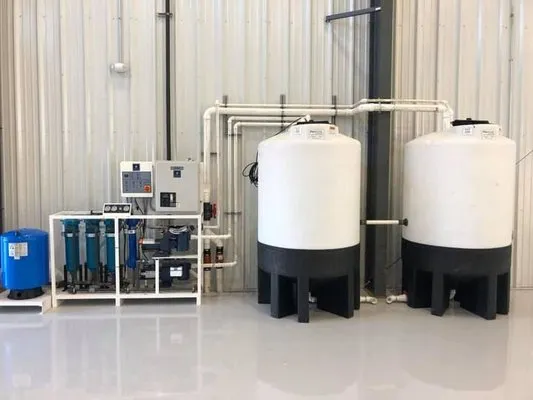
Since 2003, Werner's Plumbing has been a trusted family-owned resource for Smithtown homeowners and businesses. I've been managing the company from the start, and what I value most is the direct conne...
Roto 24/7 is a licensed, owner-operated plumbing service based in Smithtown, NY, with over 20 years of experience in the cesspool and drain industry. Available 24/7, we serve both residential and comm...
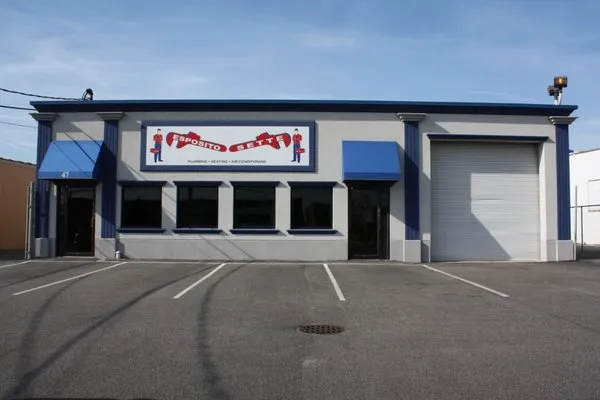
Esposito Plumbing & Heating
Esposito Plumbing & Heating has been a trusted fixture in West Babylon and across Long Island for over four decades. Founded by a tradesman who began his career at Thomas Edison Trade School, the comp...
South Hill Group is a White Plains-based contractor with over 20 years of specialized experience in construction, trenching, and pipe work. We provide expert drainage, sewer, and water line solutions,...
Browns Plumbing Heating and Air Conditioning
Browns Plumbing Heating and Air Conditioning is a trusted local provider in Cornwall-on-Hudson, NY, dedicated to the comfort and reliability of your home's essential systems. We specialize in professi...
Spano Brothers is a trusted, family-owned plumbing company serving Yonkers, NY, and the surrounding Westchester communities. With deep roots in the area, they understand the specific plumbing challeng...

Quick Response is a licensed plumbing service provider based in Port Chester, NY, serving both Connecticut and New York areas. We offer a comprehensive range of plumbing solutions, from routine instal...
Since 1986, Backflow Joe's has been the trusted local expert for certified backflow testing, repairs, and installations throughout New York State. Based in Eastchester, our NEWWA-certified and license...
Saggese Plumbing & Gas
Saggese Plumbing & Gas is a fully licensed, bonded, and insured plumbing contractor serving Campbell Hall and the wider Hudson Valley. We provide a comprehensive range of services to meet the needs of...
Estimated Plumbing Costs in Dover, NY
Questions and Answers
My Dover home was built around 1945 - should I be worried about my plumbing?
Galvanized steel pipes installed in 1945 are now 81 years old, well beyond their 40-50 year expected lifespan. Homeowners in Wingdale and throughout Dover are seeing increased rust buildup inside these pipes, which restricts water flow and causes pressure drops. You might notice discolored water or reduced volume at faucets, especially when multiple fixtures run simultaneously. This internal corrosion will eventually lead to leaks, typically starting at threaded joints or where pipes connect to fixtures.
How quickly can a plumber reach my home in Dover?
Heading past Dover Stone Church on NY-22, most service calls in the area take 45-60 minutes from dispatch. That route covers the main residential corridors while allowing for local road variations. We factor in seasonal conditions like spring thaw runoff or winter weather that can affect travel times on secondary roads. Knowing the terrain helps us provide accurate arrival estimates for homes throughout the Dover region.
What permits are needed for plumbing work in Dover, NY?
The Dover Building Department requires permits for most plumbing modifications, especially those involving well or septic systems. As a New York State Department of State licensed master plumber, I handle the permit applications and inspections so homeowners don't navigate the red tape themselves. Local codes address our specific conditions like hard water treatment requirements and terrain-appropriate drainage solutions. Proper documentation ensures your plumbing upgrades meet both Dover and state standards for safety and longevity.
Does having a private well in Dover affect my plumbing system?
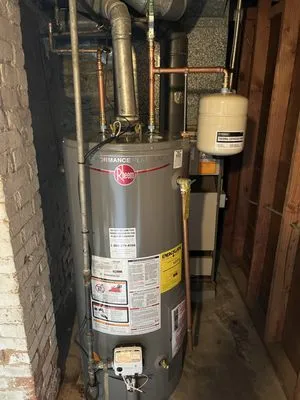
Private wells in Dover typically draw from groundwater with high mineral content, creating hard water conditions. This leads to scale buildup inside water heaters, reducing efficiency and shortening their lifespan. Fixtures develop mineral deposits around aerators and showerheads, restricting flow over time. Without municipal water treatment, well systems require proper filtration to protect appliances and maintain consistent water quality throughout your home.
Are there special plumbing considerations for rural Dover homes?
Rural Dover properties with private wells and septic systems require integrated maintenance. Well pump pressure needs balancing with septic tank capacity to prevent overloading either system. Unlike municipal connections, well water quality directly affects pipe longevity, while septic field placement must consider the hilly terrain for proper drainage. These systems work together, so changes to one often impact the other, requiring a holistic approach to rural plumbing management.
Why do my older Dover home's pipes keep developing small leaks?
Galvanized steel pipes from 1945 suffer from joint calcification and pinhole leaks as they age. Mineral deposits from hard water accumulate at threaded connections, creating stress points that eventually crack. The steel itself corrodes from the inside out, thinning the pipe walls until small perforations develop. These failures often occur first at elbows and tees where water flow creates turbulence, accelerating the corrosion process common in homes of this era.
What should Dover homeowners do before spring thaw to prevent plumbing problems?
Before temperatures rise above freezing consistently, disconnect garden hoses and drain outdoor faucets to prevent backflow into your system. Check exposed pipes in crawl spaces or basements for existing minor leaks that could worsen with ground shifting during thaw. Insulate pipes in unheated areas, as 14-degree winter lows followed by rapid warming can cause joints to contract and expand. This proactive maintenance helps avoid emergency calls when melting snow saturates the ground around your foundation.
How does Dover's hilly landscape affect residential plumbing?
The sloping terrain around Dover Stone Church creates drainage challenges that put stress on main water lines. Gravity causes soil movement during wet seasons, which can shift pipe supports and strain connections. Downhill properties often experience increased pressure on their supply lines, while uphill homes might see sediment accumulation in low spots of their piping. Properly anchoring pipes and installing pressure regulators addresses these terrain-specific issues common in our area.
