Top Emergency Plumbers in Derby, NY, 14047 | Compare & Call

There are 47 plumbing companies server in Derby NY
Brad Miller Miller's Plumbing & Excavating
Brad Miller Miller's Plumbing & Excavating is a trusted, full-service contractor serving Erie and the surrounding communities. For years, our team has helped local homeowners tackle the region's commo...
Frank's Mr. Plumber brings reliable, Nexstar-certified plumbing solutions to Tonawanda and the greater Buffalo area. We operate on the principle that while no one loves to call a plumber, you should b...
Reliable Repairs Handyman Service is your trusted local handyman in Lockport, NY, specializing in comprehensive plumbing solutions to keep your home running smoothly. We understand that home upkeep sh...
Roto-Rooter Plumbing & Water Cleanup
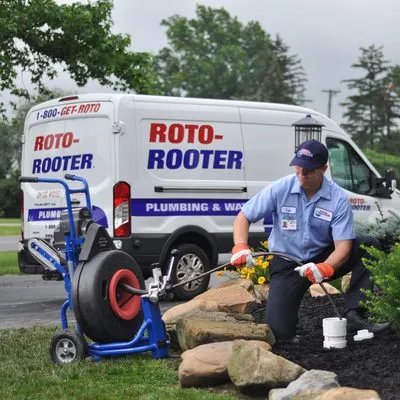
Roto-Rooter Plumbing & Water Cleanup has been a trusted resource for Buffalo, NY, homeowners and businesses for years. We are fully staffed and ready to help 24 hours a day, 7 days a week, with no ext...
Zenner & Ritter
Zenner & Ritter is a family-owned and operated home services company that has been a cornerstone of the Buffalo, NY community since the late 1920s. Under the leadership of Barbara and her son Brian, t...
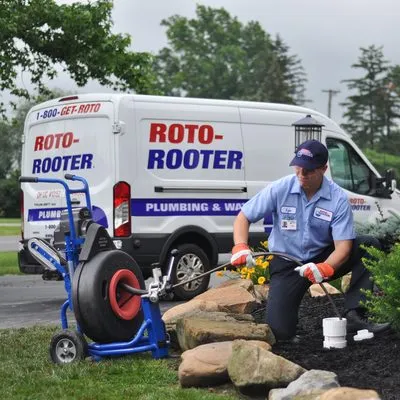
Roto-Rooter Plumbing & Water Cleanup
Roto-Rooter Plumbing & Water Cleanup is your trusted local partner for plumbing and water damage services in West Seneca, NY. We are a fully staffed, locally operated team of dependable and friendly p...
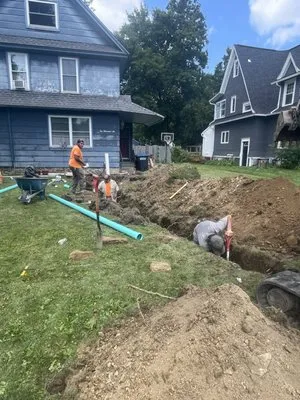
Down The Drain Plumbing is a locally owned and operated plumbing company serving Eden, NY, with over 25 years of industry experience. We specialize in comprehensive residential and commercial plumbing...
McAllister Plumbing, Heating & Cooling
Since 1958, McAllister Plumbing, Heating & Cooling has been a trusted family business in Hamburg, NY, dedicated to serving the Southtowns. We operate on the fundamentals of integrity and care, values ...
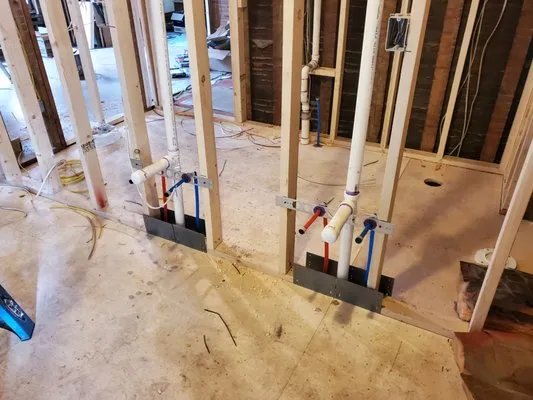
My Plumber is a licensed plumbing service provider serving the Cheektowaga and Buffalo areas with over 15 years of experience. We offer a comprehensive range of services including sewer drain cleaning...
The Handymen serves West Seneca homeowners with a comprehensive range of repair, installation, and maintenance services. From plumbing and electrical work to drywall, painting, and tile, we handle the...
Estimated Plumbing Costs in Derby, NY
Q&A
Could the land near Evangola State Park affect my home's main sewer line?
The coastal slope and sandy, shifting soils common in this area can put lateral stress on buried main sewer lines. Over decades, this can cause bellies or misaligned joints in the pipe, leading to chronic drain backups. It’s a terrain-specific issue; a standard camera inspection can identify if the ground movement has compromised your line’s proper pitch and flow.
What's the most important plumbing thing to do before spring in Derby?
Before the spring thaw hits its peak, make sure all exterior hose bibs are shut off from inside and drained. With lows around 18°F, any water left in those lines can freeze, expand, and crack the pipe or the valve body inside your wall. This simple seasonal task prevents a common, costly leak that only reveals itself once you turn the outdoor water back on.
Do I need a permit from the Town of Evans to replace my water heater?
Yes, most water heater replacements require a permit from the Town of Evans Building Department. As a master plumber licensed by the New York State Department of State Division of Licensing Services, I handle pulling that permit, scheduling the inspection, and ensuring the installation meets all current code. My license means I manage the red tape so you don’t have to, and the job is documented correctly for your home’s records.
How quickly can a plumber get to me in Derby if I have a burst pipe?
Heading past Evangola State Park on NY-5 is the main dispatch route for the area. From there, it’s typically a 30-45 minute drive to most Derby addresses, depending on exact location and traffic. That’s a realistic window for an emergency response, which is why shutting off your main valve immediately is the critical first step every homeowner here should know.
Why are my copper pipes suddenly leaking in multiple spots?
Simultaneous pinhole leaks in 1970s-era copper often point to a systemic issue called Type M copper fatigue. After 50-plus years, the pipe walls thin from internal erosion and external pitting from our hard water. It’s rarely just one spot; once you see a leak, others are often forming nearby. The repair strategy shifts from patching individual holes to replacing entire compromised runs.
My Derby home was built in the 1970s. Should I be worried about my plumbing?
Homes built around 1974 now have copper plumbing that’s over 50 years old. In Derby Center, I’m seeing a predictable failure window where that original copper starts developing pinhole leaks, especially in hot water lines. The thin-wall Type M copper common then has spent decades with water moving through it, and its lifespan is ending. It’s not an immediate panic, but a planned inspection and budgeting for replacement sections is prudent.
Are there different plumbing concerns for a rural Derby property versus a village one?
Absolutely. Rural properties here often rely on private wells and septic systems, which have their own maintenance cycles and failure points, like a failing drain field or a well pump pressure switch. In the village, you’re on municipal water and sewer, so concerns shift to service line responsibility and potential pressure fluctuations. Knowing your system type dictates your maintenance priorities.
Does Lake Erie water damage my water heater or appliances?
The hard water from Lake Erie accelerates scale buildup. Inside your water heater, that mineral scale acts like insulation on the heating elements, forcing the unit to work harder, use more energy, and fail years earlier. You’ll see the same crusty buildup on showerheads and faucet aerators, reducing flow and pressure. A whole-house water softener is less a luxury here and more a protective measure for your hardware.
