Top Emergency Plumbers in Constable, NY, 12917 | Compare & Call

There are 11 plumbing companies server in Constable NY
Leaky Pipes Plumbing Supplies is a trusted local supplier in Winthrop, NY, dedicated to serving the North Country with comprehensive plumbing, HVAC, and electrical solutions. We provide a wide range o...

For over a decade, Energy Wise Builders has been rooted in the Massena community, born from a lifelong dream to run a business fueled by genuine passion for the work. We believe in a hands-on approach...
Northern Plumbing Services is your trusted local plumbing expert serving Dickinson Center, NY, and surrounding areas. We specialize in comprehensive plumbing solutions, including bathtub, drain, fauce...

ABCD Sanitation is a trusted, local plumbing and sanitation provider serving Moira, NY, and the surrounding North Country. We specialize in the services essential for this region, including thorough p...
Mrs. Cobb's Family drain cleaning and plumbing
Mrs. Cobb's Family Drain Cleaning and Plumbing is a trusted, family-operated plumbing service proudly serving Schuyler Falls, NY, and the surrounding communities. We understand the common challenges l...

Northern Repair & Design brings experienced, professional service to Plattsburgh homeowners with a straightforward and humble approach. We specialize in high-quality installations and expert help for ...
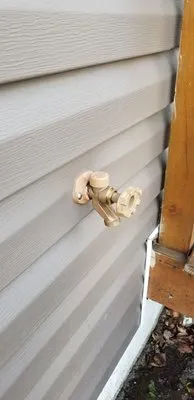
Dave the Plumber is a trusted plumbing service in Lyon Mountain, NY, owned and operated by David Pearce. With over two decades of experience since starting his career in 2000, Dave became a licensed j...
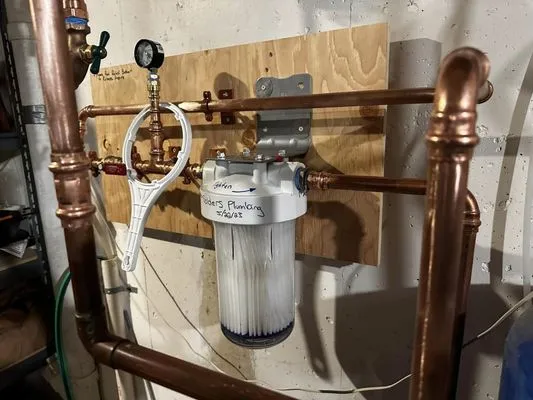
Solders Plumbing and Excavation is a trusted, family-owned and operated business serving Chazy, NY, and the surrounding North Country. We provide a comprehensive range of services, from essential plum...
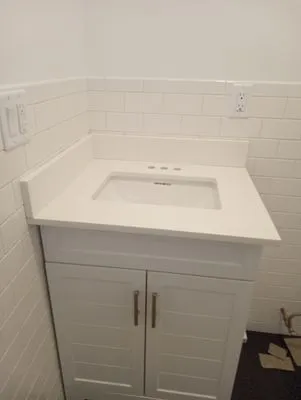
Jax Snow Electric and Construction is a Peru-based contractor serving the North Country with comprehensive electrical, plumbing, and construction services. Our team of certified master electricians an...
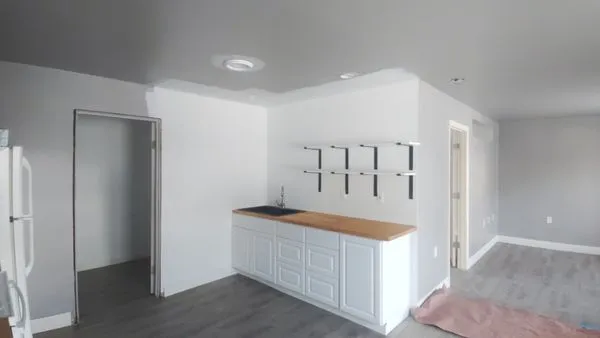
Ten Penny Renovations is a trusted home services provider serving Fort Covington, NY, with decades of experience in the construction and renovation industry. Founded in New Hampshire in 1998, the busi...
Estimated Plumbing Costs in Constable, NY
Question Answers
Who handles permits for plumbing work in Constable?
The Town of Constable Code Enforcement issues local permits, while the New York Department of State Division of Licensing Services oversees my master plumber credentials. I file the paperwork, schedule inspections, and ensure everything meets current codes. Homeowners don't need to navigate between agencies—I handle the red tape so you don't have to, whether it's a water heater replacement or full repipe.
Why are so many homes in Constable Center having plumbing problems lately?
Galvanized steel pipes installed around 1938 are now 88 years old. At this age, the zinc coating has completely eroded, leaving bare iron exposed to constant water contact. Homeowners throughout Constable Center are seeing rust-colored water, reduced pressure from mineral buildup inside pipes, and sudden leaks where the metal has thinned to failure. This isn't random bad luck—it's the predictable lifespan of materials used when these homes were built.
How quickly can a plumber reach my home near Trout River?
Heading past Trout River on US-11, the dispatch route covers about 45-60 minutes for most calls in the Constable area. That includes time to load the truck with parts for older systems, navigate back roads, and account for seasonal conditions. We factor in extra minutes during spring thaw when washouts can slow travel, but we maintain realistic timelines so you know when to expect us.
Could the flat land around Trout River affect my home's drainage?
Plain terrain lacks natural slope for water runoff, so during heavy rain or snowmelt, water pools around foundations. This puts constant hydrostatic pressure on underground pipes, which can lead to joint separation or cracks over time. Soil saturation also reduces stability, allowing slight shifts that stress connections. Proper grading away from the house and functional drain tile systems help mitigate these issues common in our area.
What causes those tiny leaks in old galvanized pipes?
Pinhole leaks develop where internal corrosion has eaten through the pipe wall, often at threaded joints or bends. After 88 years, galvanized steel loses its protective zinc layer, allowing oxygen in the water to react with the iron. This creates rust that flakes off, then reforms, gradually thinning the metal until water finds the weakest spot. Joint calcification—where minerals cement fittings together—also makes repairs more complex when pipes won't unscrew.
Does hard water from my private well damage plumbing fixtures?
Hard water contains dissolved minerals that precipitate out as scale when heated or agitated. In water heaters, scale coats heating elements and tank interiors, reducing efficiency and shortening appliance life. On fixtures, it leaves white crusty deposits that degrade rubber washers and ceramic cartridges. Well owners should consider water testing and treatment options, since municipal softening isn't available here.
How does rural living in Constable change my plumbing maintenance needs?
Private wells and septic systems require different attention than municipal services. Well pumps and pressure tanks need regular inspection for sediment buildup from hard water. Septic fields should be pumped every 3-5 years depending on household size, and avoid chemical drain cleaners that kill beneficial bacteria. Without city water pressure, we often install booster pumps for consistent flow, especially in multi-story homes.
What should I do before spring thaw to avoid plumbing emergencies?
Insulate exposed pipes in crawl spaces and along exterior walls before temperatures drop to 5°F. Disconnect garden hoses and shut off outdoor faucets from inside the house. When thaw comes, check your basement for moisture along the foundation—melting snow saturates the ground, increasing hydrostatic pressure that can stress main lines. A slow drip from a faucet during extreme cold keeps water moving enough to resist freezing.
