Top Emergency Plumbers in Clymer, NY, 14724 | Compare & Call

There are 17 plumbing companies server in Clymer NY
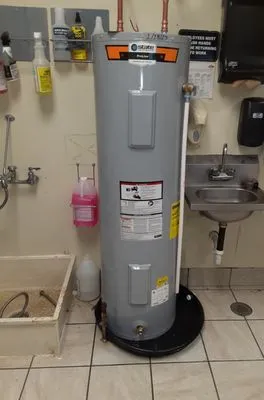
Yankosky Drain Cleaning & Plumbing
Yankosky Drain Cleaning & Plumbing is a family-owned and operated business serving Erie, PA, and surrounding Erie County. Founded by Tim Yankosky, a plumber with over 35 years of experience, the compa...

Jackson Plumbing
Jackson Plumbing, Inc. is a third-generation, family-owned plumbing company serving Erie, Pennsylvania, and the surrounding region since 1964. Owner Scott Jackson continues a legacy of reliable servic...
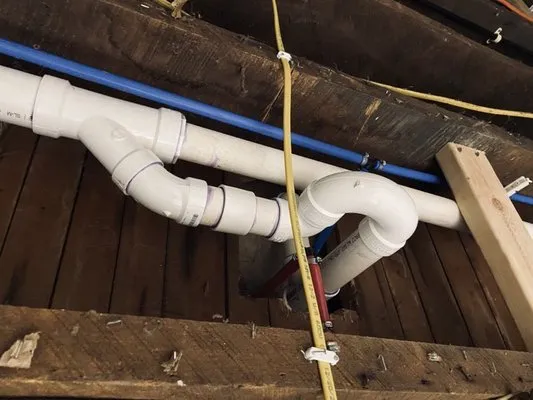
Holdsworth Plumbing
Holdsworth Plumbing is a trusted, full-service plumbing and construction contractor serving West Springfield and the surrounding region. We specialize in both emergency repairs and comprehensive proje...

Fisher's Plumbing & Heating
Fisher's Plumbing & Heating has been a trusted provider of plumbing and heating services in Western Pennsylvania since 1980. Based in Conneaut Lake, PA, the company brings over 40 years of experience ...

Advanced Testing Services has been Erie County's trusted specialist for backflow preventer testing, repair, and installation since 2007. Founded with the guidance of a seasoned industry mentor, the bu...
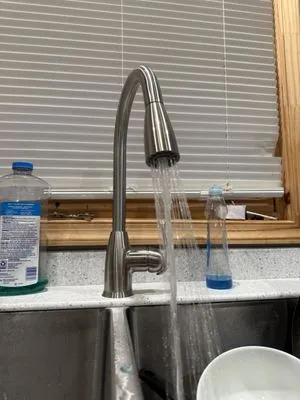
Marsh Handyman Services is a locally owned and operated plumbing and handyman business proudly serving Waterford and Erie County. We specialize in a comprehensive range of services, from essential plu...
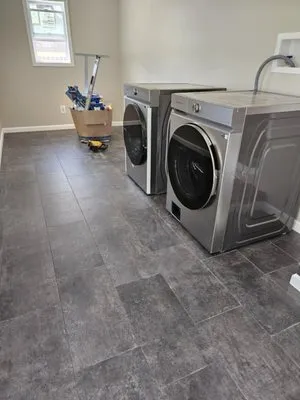
Freeman Construction Co LLC is a family-owned and operated business serving Pleasantville and the surrounding area for over 25 years. Founded by Richard, a contractor known for his hands-on expertise ...
Waterford Hardware & Services
Since 1972, Waterford Hardware & Services has been a trusted, family-owned resource for Waterford, Pennsylvania. We combine a well-stocked hardware store with professional plumbing and heating service...
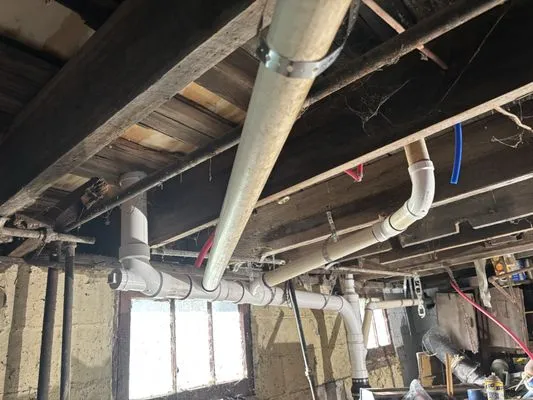
Noah Guy is a trusted handyman and repair specialist serving West Middlesex, PA, and the surrounding communities. We offer a wide range of home maintenance and improvement services, from cabinet repai...
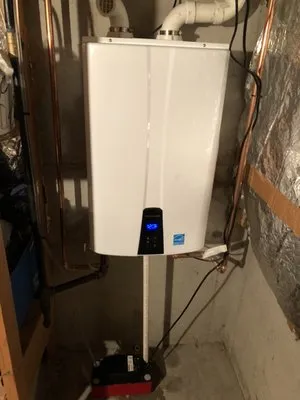
Bright Star Plumbing and Contracting
Bright Star Plumbing and Contracting is a fully licensed and insured plumbing company serving both residential and commercial clients in Niagara Falls, NY. We are honest plumbers committed to providin...
Estimated Plumbing Costs in Clymer, NY
Frequently Asked Questions
How long will it take for a plumber to get to me in Clymer?
A typical dispatch from our shop involves heading past Peek'n Peak Resort onto I-86, then taking the Clymer exit. Depending on your exact location off the main routes, the drive is usually 45 to 60 minutes. We factor in local road conditions, especially during the winter months, to give you a realistic arrival window.
Does our hard well water damage plumbing fixtures?
Yes, the mineral-heavy water from private wells in this area accelerates scale buildup. Inside a water heater, this sediment acts as an insulator, forcing the unit to work harder and fail sooner. On fixtures, scale clogs aerators and showerheads, and it can seize the internal cartridges of faucets and valves, leading to drips that are difficult to repair.
Could the hilly land around Peek'n Peak affect my main sewer line?
Hilly terrain places constant stress on buried main lines. The soil shift from freeze-thaw cycles and gravity's pull on the slope can cause pipes to settle unevenly or develop a low spot called a belly. This creates a place for waste and debris to collect, leading to chronic slow drains or complete blockages that require jetting or excavation to correct.
Do I need a permit to replace my water heater in Clymer?
Most plumbing work, including water heater replacement, requires a permit from the Town of Clymer Code Enforcement and must meet New York State Department of State Building Codes. I handle securing the permit and scheduling the required inspections. This ensures the installation is documented correctly for your home's records and that all safety standards, like proper pressure relief valve discharge, are met.
What's the most important winter plumbing tip for the Snow Belt?
Before temperatures hit that 15-degree low, disconnect and drain your garden hoses. A frozen hose bib can crack the pipe inside your wall, leading to a major leak when it thaws. For homes with vulnerable crawl spaces or exterior walls, letting a faucet drip during extreme cold can keep water moving and prevent a freeze-up at the most critical point.
Why do my old pipes keep springing pinhole leaks?
Galvanized steel pipes from 1961 corrode from the inside out. Decades of hard water and oxygen react with the zinc coating and steel, causing internal rust and mineral scale. This buildup restricts flow and creates uneven pressure. The corrosion eventually eats through the pipe wall, starting with weak spots that become pinhole leaks, often found near threaded joints or where pipes rest against a joist.
My Clymer home has old galvanized steel pipes. Should I be worried?
Your pipes are about 65 years old. At this age, galvanized steel is nearing the end of its reliable lifespan. Homeowners in Clymer Center often see severely restricted water flow from scale buildup inside the pipe walls. The steel itself is thinning, making pinhole leaks and sudden ruptures at the joints a common reality for houses built in that 1961 era.
Are there special considerations for plumbing in a rural area like Clymer?
Working with private wells and septic systems changes the approach. Well pump pressure and the condition of the pressure tank directly affect your home's water pressure and appliance function. For septic systems, what goes down any drain is critical; avoiding certain chemicals and materials prevents tank and leach field failure, which is far costlier than a municipal sewer repair.
