Top Emergency Plumbers in Clay, NY, 13027 | Compare & Call

There are 88 plumbing companies server in Clay NY
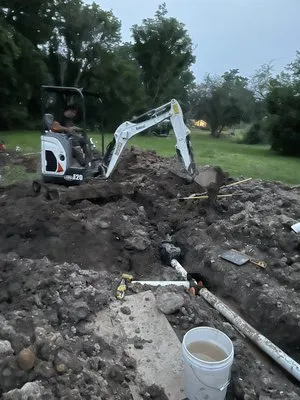
Jetter Drains is a trusted plumbing service provider in Dickson City, PA, specializing in a wide range of solutions from drain and sewer services to comprehensive plumbing and septic system work. We h...
Halco
Founded in 1984 by Hal Smith, Halco has grown from a single local operation into a trusted, multi-location business serving Upstate New York. For nearly 40 years, Halco has built its reputation in Liv...
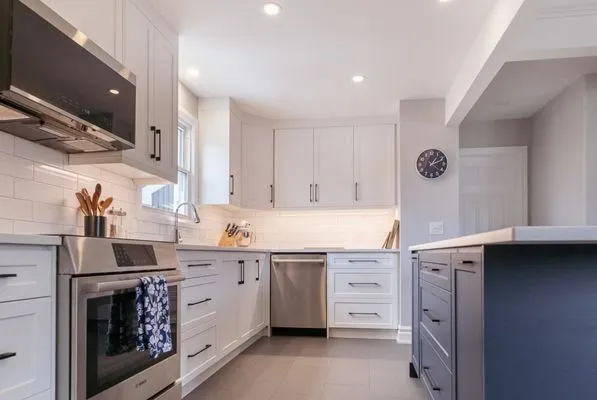
GEM is a Rochester, NY-based remodeling company serving Monroe and Wayne counties, specializing in transforming homes through comprehensive renovation services. We focus on kitchen and bathroom remode...
Blanding Plumbing is your trusted local plumbing service in Syracuse, NY. We understand that Syracuse homeowners face unique challenges like basement flooding from heavy lake-effect snowmelt and persi...
Superior Drain Solutions
Superior Drain Solutions is a locally owned and operated plumbing and drain service company serving Brewerton and the surrounding communities. With a history rooted in a general contracting background...
DG Plumbing and Mechanical is a trusted local plumbing company in East Syracuse, NY, built on a foundation of family values and professional integrity. Originally founded as Griffin Plumbing by Master...
All-Phase Plumbing is a trusted Syracuse plumbing company serving homeowners and businesses throughout Onondaga County. We specialize in drain repair, plumbing inspections, and comprehensive plumbing ...
Rudy Plumbing
Rudy Plumbing is a trusted local plumbing service in Baldwinsville, NY, specializing in comprehensive solutions for common residential plumbing problems. Many homes in our area experience issues like ...
Mr. Rooter Plumbing of Greater Syracuse
Mr. Rooter Plumbing of Greater Syracuse is a family-owned and operated plumbing service serving Syracuse, NY, and the surrounding Central New York area since 1998. Founded by a family with sons Nichol...
Peterson Plumbing & Heating
Peterson Plumbing & Heating is a locally owned plumbing and heating service based in Liverpool, NY, serving the community since 1995. We provide a comprehensive range of residential and commercial ser...
Estimated Plumbing Costs in Clay, NY
Frequently Asked Questions
Why do my old galvanized pipes keep springing pinhole leaks?
Galvanized steel corrodes from the inside out. After 65+ years, the protective zinc coating is completely gone, and the underlying iron is exposed to water and oxygen. This creates tuberculation—rust nodules that pit the pipe wall. Combined with our hard water accelerating the process, these weak spots eventually fail as pinhole leaks, often appearing first on horizontal runs in basements or crawlspaces where sediment settles.
As a suburban homeowner, what's my main sewer line risk?
Your primary concern is the sewer lateral—the pipe running from your house to the town's main under the street. In Clay's established neighborhoods, mature tree roots seek out the moisture and nutrients in older pipe joints. These roots can infiltrate and completely block the line, causing backups into your basement. Municipal water pressure is generally consistent, but a sudden spike from a water main break or hydrant use can sometimes stress very old household plumbing.
Does our hard water from Lake Ontario damage water heaters?
Yes, the mineral content in our supply, sourced from Lake Ontario, causes significant scale buildup. Inside a water heater, this limescale acts as an insulator on the heating elements or gas burner, forcing the unit to work harder and use more energy. More critically, scale accumulation at the bottom of the tank traps heat, causing the steel to overheat and fail prematurely. An annual flush of the tank is critical to mitigate this.
What kind of plumbing problems should I expect in my 1950s Clay Station home?
Homes built in 1959 have plumbing that is now 67 years old. Galvanized steel pipe, the standard then, has a functional lifespan of 40 to 60 years. You are now seeing the direct result of that age: widespread internal rust and mineral scale buildup. This drastically reduces water pressure and flow to your fixtures. The pipe walls themselves become thin and brittle, leading to frequent leaks at joints and along pipe runs.
Who handles permits for a water heater or repipe in Clay?
Any major plumbing work requires permits from the Town of Clay Department of Planning and Development, and the installation must comply with the New York State Department of State Division of Building Standards and Codes. As a licensed master plumber, I pull those permits, schedule the required inspections, and ensure the work passes code. You don't have to navigate that red tape; it's a standard part of the job to protect your investment and keep your home insurance valid.
How fast can a plumber get to my house in Clay?
From a central dispatch, I head past Onondaga Lake Park onto I-81, which provides a direct corridor to most neighborhoods in the town. The route avoids congested downtown Syracuse streets. For most service calls in Clay, this translates to a reliable 30 to 45 minute response window from the time you call. That timeframe accounts for typical traffic and getting the right parts on the truck before heading out.
What's one thing I should do before spring to avoid a plumbing disaster?
Before the spring thaw hits its peak, shut off and drain your exterior hose bibs from inside the house. A bib that freezes and cracks over winter may not leak until the ice inside fully melts during a warm snap. Water will then flow freely into your wall cavity. This is a common and preventable call we get every year in the Snow Belt. Disconnecting garden hoses in the fall is not enough; the interior valve must be closed and the line drained.
Could the flat land near Onondaga Lake cause sewer problems?
The relatively plain terrain can complicate drainage. Without significant slope, waste water relies more on gravity and precise pipe pitch to move toward the municipal main. Over decades, ground settling or root intrusion can create a low spot or belly in your sewer lateral where water and solids collect, leading to chronic slow drains or blockages. It's a stress point that older clay tile or cast iron lines, common in these neighborhoods, are particularly susceptible to.
