Top Emergency Plumbers in Chautauqua, NY, 14722 | Compare & Call

There are 15 plumbing companies server in Chautauqua NY
Brad Miller Miller's Plumbing & Excavating
Brad Miller Miller's Plumbing & Excavating is a trusted, full-service contractor serving Erie and the surrounding communities. For years, our team has helped local homeowners tackle the region's commo...
Bright Star Plumbing and Contracting
Bright Star Plumbing and Contracting is a fully licensed and insured plumbing company serving both residential and commercial clients in Niagara Falls, NY. We are honest plumbers committed to providin...
Seven One Fixers is a trusted home improvement contractor serving Buffalo, NY and surrounding communities. We provide comprehensive residential services including electrical work, plumbing, remodeling...

Mike's Maintenance is a trusted home service provider serving Charlotte, NY, dedicated to making home improvements accessible and stress-free for local homeowners. Founded on the principle that qualit...
Just In Time Septic and Site Construction
Just In Time Septic and Site Construction is a trusted local contractor serving Orchard Park and Eden, NY, with over 15 years of experience in excavation, plumbing, and septic systems. We specialize i...
H. Jack’s Plumbing & Heating Western New York
H. Jack's Plumbing & Heating has been a trusted family-operated business serving Western New York and parts of Pennsylvania for over 45 years. Based in Jamestown, we provide comprehensive plumbing, he...
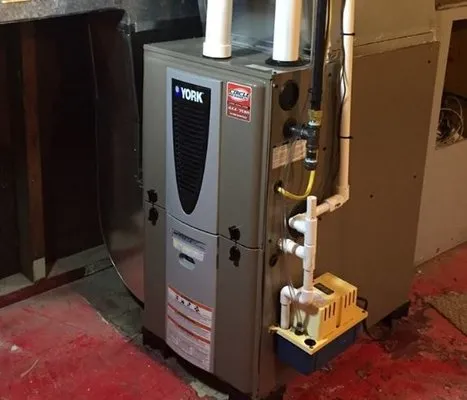
Circle Mechanical
Circle Mechanical is a cornerstone of the Jamestown community, locally owned and operated by Jason and his father since 2009. With roots dating back to 1980, the business brings decades of combined ex...
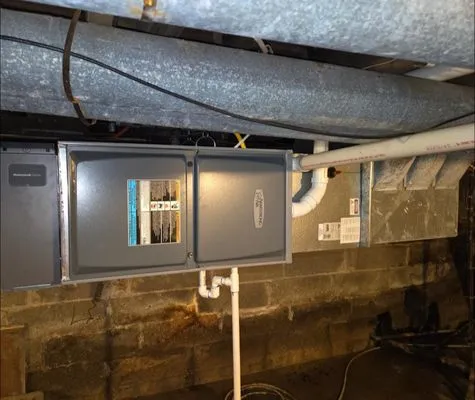
Chautauqua Plumbing
Chautauqua Plumbing is your trusted, full-service partner for plumbing, heating, and air conditioning in Westfield, NY. We proudly serve residential and commercial customers throughout Chautauqua Coun...
Caster Drilling Enterprises
Caster Drilling Enterprises in Ashville, NY, is a family-owned and operated water systems specialist with a legacy spanning four generations. Founded and continuously run by the Caster family, the com...
Goldberg Plumbing & Heating
Goldberg Plumbing & Heating is a trusted, family-run local business serving Panama, NY, and the surrounding communities since 2008. With a combined industry experience of over 30 years, we bring deep-...
Estimated Plumbing Costs in Chautauqua, NY
Frequently Asked Questions
Does Chautauqua Lake's hard water damage my appliances?
Yes, the mineral content from the lake leads to significant scale buildup. Inside a water heater, this sediment acts as an insulator, forcing the unit to work harder and fail sooner. On fixtures and showerheads, scale clogs the small apertures, reducing flow. A proactive water softener or regular descaling can mitigate this, preserving the lifespan of your water heater and fixtures.
My house near the Institution was built in the 1930s. What should I know about the plumbing?
Homes built around 1938 are now 88 years old, a full lifespan for galvanized steel pipes. In the Chautauqua Institution area, we see this manifest as severely restricted water flow. The steel corrodes from the inside out, so you may have decent pressure at one faucet but only a trickle at another. This internal rust buildup, called scale, is the main culprit for low flow and discolored water in these historic homes.
How long does it take for a plumber to get to Chautauqua?
From our shop near Chautauqua Lake, a typical dispatch route heads out to I-86. We factor in 45 to 60 minutes for most calls within the town. That time accounts for local traffic, weather on the hills, and getting our service truck and parts to your door. It is a realistic timeline for reliable service in our area.
As a rural homeowner here, what plumbing systems need extra attention?
Your private well and septic system require scheduled maintenance, unlike a municipal setup. Well components like the pressure tank and switch wear out. Your septic tank should be pumped every three to five years, depending on use; neglecting it leads to drain field failure, which is very costly to repair. We keep an eye on these systems during any service call to give you a heads-up on their condition.
What's the most important thing to do before spring thaw in Chautauqua?
Before the spring thaw hits its peak, disconnect and drain any outdoor hoses. Water left in the hose bib can freeze and travel back into the interior supply line, causing a burst pipe inside your wall. This is a critical step in our snow belt climate, where overnight lows around 15 degrees are common. A burst pipe from an overlooked hose bib is one of the most frequent and preventable calls we get each March.
Do I need a permit to replace my water heater or repipe my house?
Yes, the Town of Chautauqua Building Department requires permits for that work. As a master plumber licensed through the New York State Department of State Division of Licensing Services, I pull all necessary permits and schedule the required inspections. My license means I handle that red tape and ensure the job meets all current code, so you do not have to navigate the process yourself.
Could the hilly land near the lake be causing my drainage issues?
Absolutely. The sloping terrain around Chautauqua Lake puts constant, uneven stress on underground sewer mains and service laterals. Over years, this can cause sections of pipe to settle, sag, or separate at the joints. That sag creates a low spot where waste and solids collect, leading to recurrent slow drains or complete blockages downstream from your home.
Why do my old pipes keep springing pinhole leaks?
Galvanized steel from the late 1930s loses its protective zinc coating over decades. Once that coating is gone, the underlying iron is exposed to water and minerals. This causes accelerated corrosion, leading to pinhole leaks, especially at threaded joints where the metal is thinnest. The problem is not a single leak but systemic failure; fixing one often reveals the next weak spot in the line.
