Top Emergency Plumbers in Champlain, NY, 12919 | Compare & Call

There are 17 plumbing companies server in Champlain NY
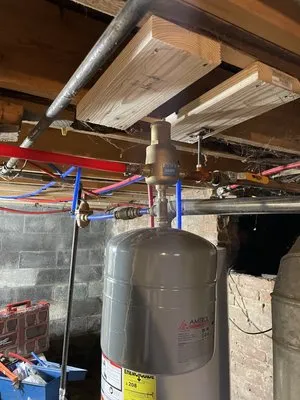
Brandon’s Plumbing, Heating, and A/C
Brandon's Plumbing, Heating, and A/C is your trusted, full-service home solutions provider serving Plattsburgh and the surrounding North Country. We understand the unique challenges Plattsburgh homeow...
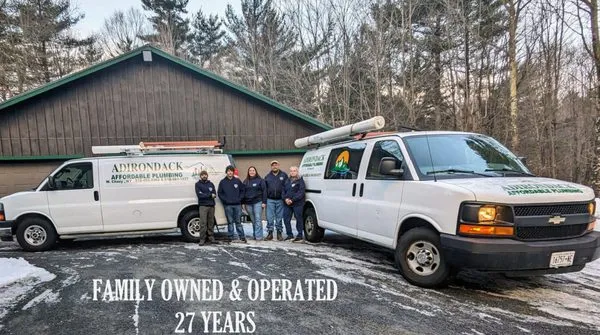
Adirondack Affordable Plumbing
Adirondack Affordable Plumbing is a trusted local plumbing service based in West Chazy, NY, dedicated to providing reliable and cost-effective solutions for homeowners. We specialize in a range of ser...
Mrs. Cobb's Family drain cleaning and plumbing
Mrs. Cobb's Family Drain Cleaning and Plumbing is a trusted, family-operated plumbing service proudly serving Schuyler Falls, NY, and the surrounding communities. We understand the common challenges l...
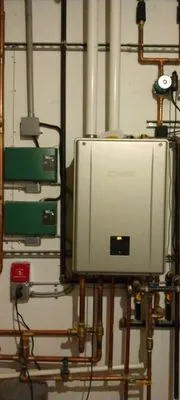
Mountain Mechanical is a trusted plumbing and HVAC service provider serving Saranac Lake, NY, and the surrounding Adirondack region. With expertise in everything from bathtub and drain repairs to HVAC...
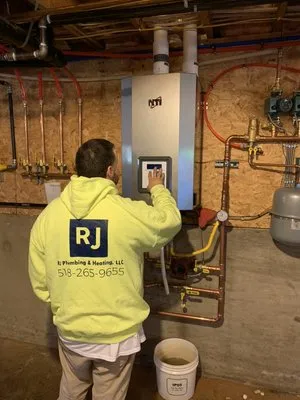
RJ Plumbing and Heating
RJ Plumbing and Heating is a trusted, full-service provider serving the Peru, NY community and surrounding areas. We are a local, family-owned company dedicated to solving your home's plumbing, heatin...

LaFountain Builds is a family-owned professional contracting company rooted in Keeseville, NY, with a commitment to serving the North Country community. Founded by Derek, who has over 0-13:30:30:30. B...

Foley Design Works is your trusted, full-service home improvement partner in West Chazy and the North Country. We bring extensive knowledge in all aspects of construction to every project, from compre...
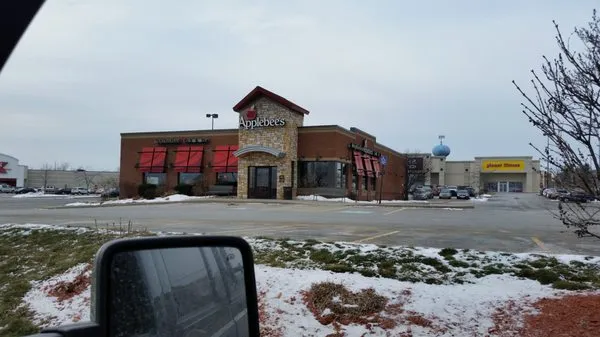
Turner's Plumbing & Heating is your trusted, local Peru plumber, dedicated to keeping homes and businesses running smoothly. We specialize in a full range of plumbing and gas services, from emergency ...
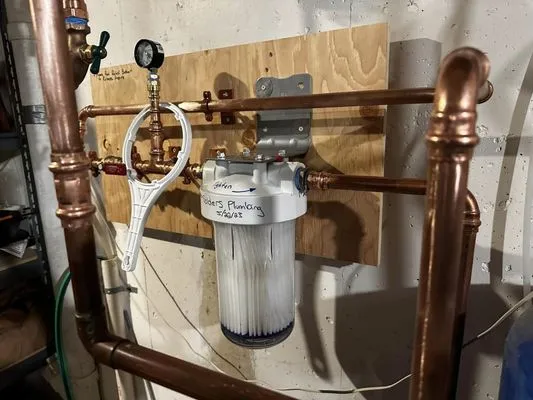
Solders Plumbing and Excavation is a trusted, family-owned and operated business serving Chazy, NY, and the surrounding North Country. We provide a comprehensive range of services, from essential plum...
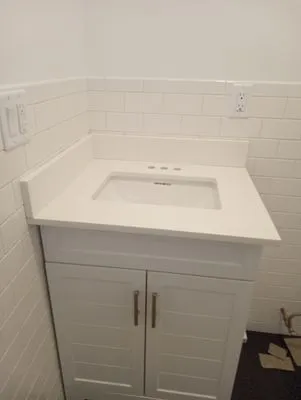
Jax Snow Electric and Construction is a Peru-based contractor serving the North Country with comprehensive electrical, plumbing, and construction services. Our team of certified master electricians an...
Estimated Plumbing Costs in Champlain, NY
FAQs
Does our hard water from the Great Chazy River damage plumbing?
Yes, the mineral content in our hard water accelerates scale buildup inside pipes and appliances. In water heaters, this sediment insulates the heating elements, forcing them to work harder and fail sooner. You'll also see scale crust on showerheads and faucet aerators, reducing flow. Over years, this scaling combines with corrosion in old galvanized lines, narrowing the pipe diameter far more quickly than with soft water.
How fast can a plumber get to my house in Champlain?
A local contractor is typically 45-60 minutes from dispatch to your door. Our common route from the Village Center involves heading past the Champlain Memorial Library to access I-87, which provides the fastest north-south connection through town. We factor in local conditions, but that corridor allows us to reach most addresses in the Town of Champlain efficiently, whether you're near the interstate or on a rural road.
Why are so many homes in Village Center having water problems lately?
The galvanized steel water lines in many Champlain homes were installed around 1956, which means they are now 70 years old. That lifespan is the outer limit for this material. Homeowners are seeing the cumulative effects: severe internal corrosion drastically reduces water pressure, and rust particles start clogging aerators and appliance valves. The pipe walls themselves become thin and brittle, leading to frequent leaks at joints and fittings.
What's the most important thing to do for my pipes before spring?
Before the spring thaw hits its peak, disconnect any garden hoses and ensure your exterior hose bibs are fully drained and shut off from inside. A hose left connected traps water in the bib; when overnight temps still hit 6°F during the thaw cycle, that water freezes and splits the pipe inside your wall. This is a common and preventable cause of major water damage in our Snow Belt climate.
Could the flat land here cause drainage or sewer problems?
The relatively plain terrain around Champlain means there's little natural slope to assist drainage. For sewer lines or foundation drains, this can lead to slow flow and sediment accumulation, increasing the risk of blockages. It also means during heavy rain or rapid snowmelt, water has fewer places to run off, which can put hydrostatic pressure on basement walls and floor drains, testing your sump pump system.
Who handles permits for a water heater replacement or a repipe?
Permits for plumbing work in Champlain are filed with the Town of Champlain Code Enforcement, under the standards of the New York State Department of State Uniform Code. As a licensed master plumber, I pull those permits, schedule the required inspections, and ensure the work meets all code. My credentials with the state mean I handle that red tape so you don't have to navigate the paperwork and compliance details yourself.
My galvanized pipe has a small leak. Is this a sign of a bigger issue?
A pinhole leak in 70-year-old galvanized steel is almost never an isolated problem. The internal zinc coating has been gone for decades, leaving the bare steel to corrode from the inside out. What you see is the final failure point; the surrounding pipe is likely just as thin. Joints are also prone to failure from calcification and rust expansion. Repairs often involve replacing entire sections, as threading into the old, brittle pipe can cause it to split.
Is plumbing different for a rural home here versus in the village?
The main difference is the water source and waste system. Rural homes typically rely on a private well and a septic system, not municipal water and sewer. This means maintaining the well pump, pressure tank, and water treatment equipment, plus scheduling regular septic inspections and pumping. Water quality from a private well can be even harder, so whole-house filters and softeners are often critical to protect plumbing fixtures and appliances.
