Top Emergency Plumbers in Catlin, NY, 14812 | Compare & Call

There are 69 plumbing companies server in Catlin NY
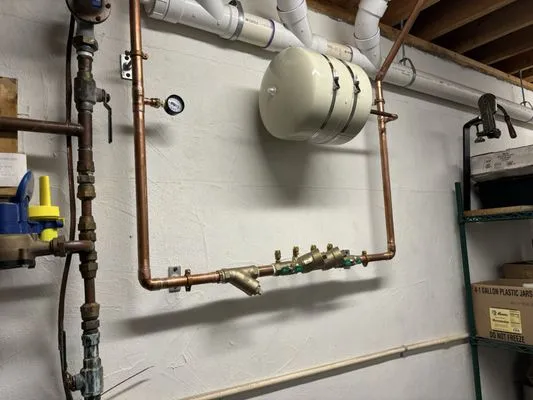
American Backflow Services is your trusted plumbing expert serving Gillett and the surrounding communities. We specialize in a comprehensive range of residential plumbing services, from bathtub and sh...
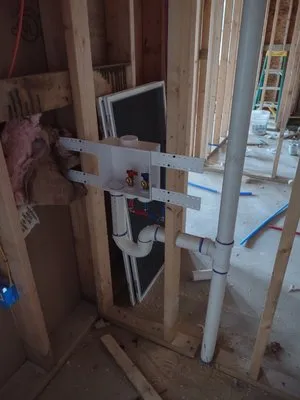
JAB Sewer & Drain is your local Athens, PA plumbing expert, providing reliable solutions for homeowners throughout Tioga County. We understand the common frustrations local residents face, from persis...
Twin-Tiers Construction is a locally owned and operated residential contracting business serving homeowners in Sayre, PA and the surrounding Twin Tiers region. Founded in 2022, we bring fresh dedicati...
ReNeW Sewer and Drain is your trusted, local plumbing and septic service in Canton, PA. We understand that common household emergencies, like a burst laundry hose or a broken shutoff valve, can cause ...
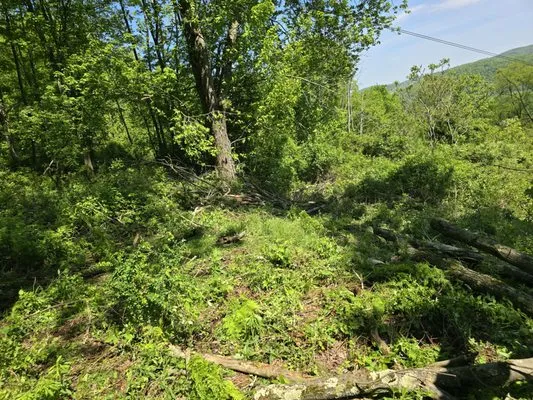
Buddy's Quality Construction is a veteran-owned, family-run business deeply rooted in the Troy, PA community. For over nine years, we've built our reputation not just on technical skill in excavation ...
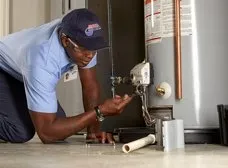
Roto-Rooter
Roto-Rooter in Canton, PA, is a locally owned and operated branch of North America's largest plumbing and drain service network. Our team of dependable, fast, and friendly plumbers is fully staffed an...
HC Plumbing is a trusted plumbing service provider in Canisteo, NY, offering expert solutions for residential and commercial needs. Specializing in repairs, installations, and maintenance, we deliver ...
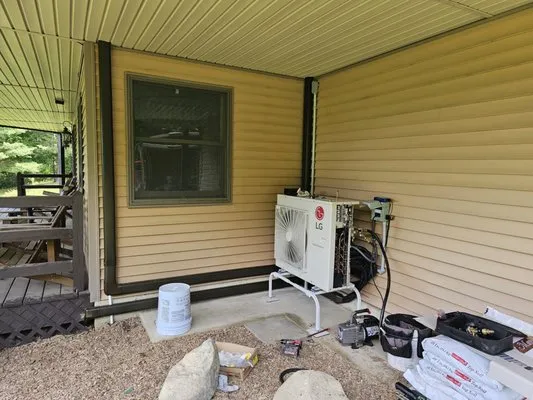
M2 Heating, Cooling and Electric
M2 Heating, Cooling and Electric is a trusted, full-service contractor serving Penn Yan and the surrounding Finger Lakes region. We handle electrical, HVAC, and plumbing needs for homes and businesses...
Bassett Plumbing & HVAC is a trusted, locally-owned service provider serving Dundee, NY, and the surrounding Finger Lakes region. We offer comprehensive plumbing and HVAC solutions, from emergency rep...
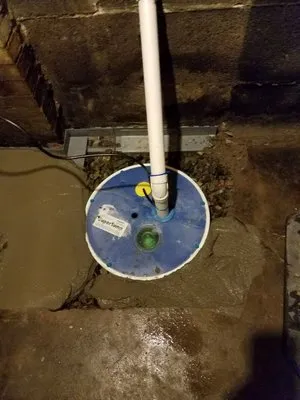
SouthernTier Basement Systems
SouthernTier Basement Systems is a locally owned and operated basement waterproofing and crawl space repair contractor serving the Southern Tier of New York, including Endwell, since 2009. As your loc...
Estimated Plumbing Costs in Catlin, NY
Common Questions
What should I do to my pipes before a Catlin spring thaw?
Before the thaw hits, walk your property to check that all exterior hose bibs are disconnected and the interior shut-offs are closed. Insulate any pipes in unheated crawl spaces or along north-facing walls. A pro-tip is to ensure your sump pump is operational, as a rapid thaw combined with our hilly terrain can lead to unexpected groundwater in basements.
Does hard well water damage my plumbing and water heater?
Yes, the mineral content in private wells accelerates scale buildup. Inside a water heater, this sediment insulates the heating element, forcing it to work harder and fail prematurely. On fixtures and showerheads, scale reduces flow and pressure. Installing a whole-house water softener or conditioner is the most effective way to protect your entire system and extend appliance life.
How fast can a plumber get to my house in Catlin?
From Catlin Town Hall, a dispatch route typically follows State Route 14 to reach most homes. That main corridor is the key. A 45 to 60 minute response is standard for this area, factoring in distance from the shop and local road conditions. Knowing your specific cross-street helps us provide a more precise arrival window.
Do I need a permit to replace my water heater in Catlin?
Most plumbing work, including water heater replacement, requires a permit from the Town of Catlin Code Enforcement. As a master plumber licensed by the New York State Department of State Division of Licensing Services, I handle pulling the permit, scheduling inspections, and ensuring the installation meets all current code. My job is to manage that red tape so your project is compliant and documented.
Could the hills around here be causing my drainage problems?
Hilly terrain places constant stress on main sewer lines and drain pipes from Catlin Town Hall outward. Gravity works harder on downhill runs, and soil shifting on slopes can cause pipes to settle or separate at the joints. This often manifests as recurring slow drains or backups in lower-level fixtures. A camera inspection can pinpoint if a slope-related break or belly is the culprit.
Are 48-year-old copper pipes in Catlin a problem?
Copper plumbing installed around 1978 is now at a critical age. Homeowners in Catlin Center often see a marked increase in pinhole leaks and blue-green corrosion stains at fixtures. This is the point where decades of water chemistry and mineral content from private wells have thinned pipe walls. A proactive inspection can identify weak sections before a full failure occurs.
Why do my old copper pipes keep springing pinhole leaks?
Copper pipe from the late 1970s is prone to type M pinhole leaks, especially with our hard well water. The interior wall erodes from acidic water and scale buildup until a microscopic hole forms. It often starts at solder joints or where pipes contact dissimilar metals without a proper dielectric union. Replacing the affected run with modern type L copper or PEX is the reliable fix.
Is plumbing different for a rural home with a well and septic?
Absolutely. A private well system requires specific components like a pressure tank and switch, which need regular servicing. Your septic tank's health is directly tied to what goes down the drain; grease and chemical cleaners can disrupt the bacterial balance. Rural plumbing means you're responsible for the entire system from the well cap to the septic field, not just the pipes inside your walls.
