Top Emergency Plumbers in Cape Vincent, NY, 13618 | Compare & Call

There are 13 plumbing companies server in Cape Vincent NY
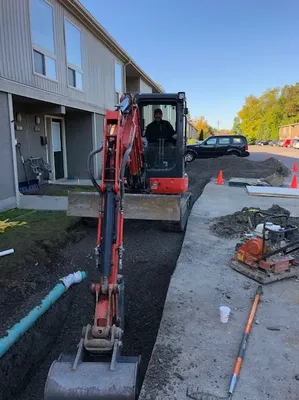
GNR Excavating
GNR Excavating is a trusted Hastings-based excavation and plumbing service with over 38 years of local experience. Owner and operator George Russell started operating heavy equipment at age 17 and has...

LaRock Backflow is a trusted plumbing service in Constantia, NY, specializing in resolving common local plumbing problems like water heater sediment buildup and dishwasher leaks. With expertise in plu...

R&R Contracting has been a trusted name in Harrisville, NY, and the surrounding region since 2004. We are a full-service contracting company dedicated to improving and protecting your home. From compr...
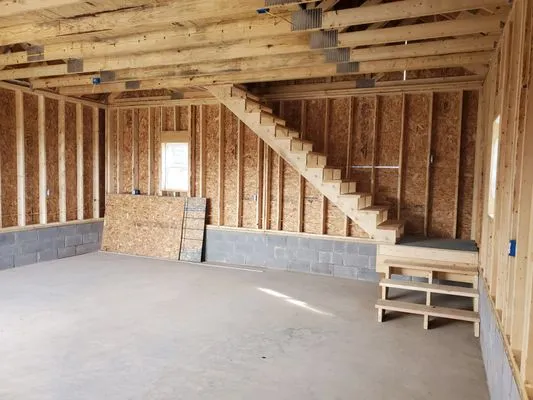
Ground Up Custom Construction is a Dexter-based contracting company founded by Michael J Contryman. With over 25 years of construction experience, Michael started the business in 2019 to focus on help...
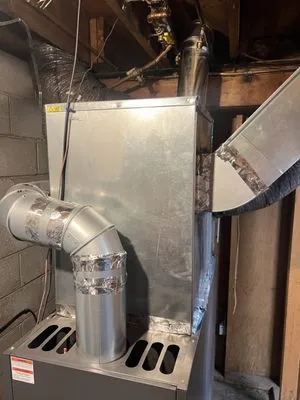
Hadfield Heating & Plumbing
Hadfield Heating & Plumbing is your trusted, local plumbing and HVAC expert serving Harrisville, NY, and the surrounding communities. For years, we've helped local homeowners tackle common issues like...
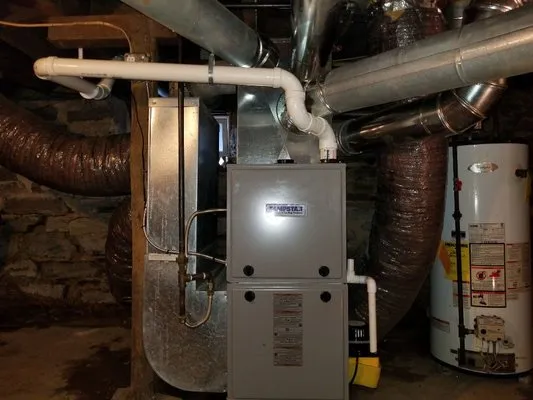
DWP Plumbing and Heating
For nearly two decades, DWP Plumbing and Heating has been the reliable, local choice for Deferiet homeowners. Founded by a meticulous tradesman with extensive training and 18 years of hands-on experie...
P S G Plumbing Heating & Air Conditioning
Serving Watertown, NY, since 1988, P S G Plumbing Heating & Air Conditioning is your local, reliable partner for plumbing, heating, and air conditioning needs. We are a family-owned and operated busin...

Nailed IT Handyman Services brings decades of reliable experience to homeowners and businesses in Calcium, NY. We are committed to doing the job right on the first visit, offering competitive rates an...
Since 1994, Lakeside Mechanical has been the trusted mechanical contractor for Sackets Harbor and the surrounding North Country. As a locally owned and operated company, we provide prompt, personalize...

Haukaas Housing General Contracting is a locally owned and operated contracting business in Theresa, NY, built on over two decades of hands-on experience. Owner Chris Haukaas began his career at 16 an...
Estimated Plumbing Costs in Cape Vincent, NY
Questions and Answers
What's the most important spring plumbing task here?
Before the spring thaw hits its peak, shut off and drain any exterior hose bibs and irrigation lines you missed in the fall. Trapped water from autumn can freeze during our 12-degree lows, causing splits in the pipe or valve inside your wall. A slow leak from a cracked bib supply line during the thaw can cause significant water damage before it's noticed.
How long does it take for a plumber to get to Cape Vincent?
Heading past Tibbetts Point Lighthouse on NY-12E is the main route into the village. From there, navigating to your specific street typically puts the total dispatch time between 45 to 60 minutes. We factor in the rural roads and seasonal conditions to provide a realistic window, so you know when to expect us.
What's different about plumbing in a rural village like this?
Many homes here operate on private well and septic systems, not municipal water and sewer. This means water pressure is controlled by your well pump and pressure tank, and all waste is processed on your property. Maintenance responsibility falls entirely on the homeowner, making regular septic pumping and well equipment checks critical to avoid costly emergencies.
Do I need a permit to replace my water heater?
Yes, the Town of Cape Vincent Building Department requires permits for water heater replacements to ensure proper safety codes, like pressure relief valve and expansion tank installation, are met. As a master plumber licensed through the New York State Department of State Division of Licensing Services, I handle that red tape, including inspections, so you don't have to.
Could the slope near the lighthouse affect my home's drainage?
The coastal terrain and soil composition around Tibbetts Point are a factor. Slope can accelerate surface water runoff, but more critically, it can put lateral stress on the main sewer line running from your house to the street. Over decades, this constant, slight pressure can lead to joint separation or pipe bellies that collect debris and cause backups.
Does the river water here affect my plumbing?
Yes. Water drawn from the St. Lawrence River is hard, meaning it has a high mineral content. Those minerals precipitate out as scale, coating the inside of pipes and, more critically, building up on water heater elements and inside faucet cartridges. This scale drastically reduces appliance efficiency and lifespan, leading to higher energy bills and premature failures.
I have a small, persistent leak in my basement pipe. What is it?
That's likely a pinhole leak from advanced internal corrosion of your galvanized steel. Pipes from 1938 have lost most of their protective zinc coating. Weak spots develop in the remaining iron, and water pressure eventually pushes through, creating a tiny, spraying leak. These often appear on horizontal pipe runs and signal widespread pipe failure.
Why is my water pressure so low in my Cape Vincent home?
Your galvanized steel supply lines are about 88 years old, installed around 1938. In the Village Center, that age means the interior pipe diameter is often reduced by half or more from scale and rust. Water flow gets restricted, pressure drops, and you might notice a reddish-brown tint to the water when you first turn on a faucet in the morning. Complete blockage is the next failure point for pipes this old.
