Top Emergency Plumbers in Burns, NY, 14807 | Compare & Call

There are 221 plumbing companies server in Burns NY

Ron's Handyman Service in Wysox, PA, provides reliable home maintenance and repair solutions for local residents. With expertise spanning appliance installation, plumbing, electrical work, drywall, pa...

For over 30 years, Jim's Home Services has been the trusted handyman for Towanda area residents and businesses. With extensive training as a licensed electrician and deep plumbing knowledge, Jim bring...
CrossRoads Electric Plumbing Heating
For over a decade, CrossRoads Electric Plumbing Heating has been the trusted local provider for Coudersport, PA, and the surrounding communities. With nearly 40 years of combined trade experience, the...
BK Plumbing & Repair is a family-owned, certified master plumbing service proudly serving the Mifflinburg community. We are fully insured and bring years of dedicated property maintenance experience t...
TPE Plumbing and Heating is a trusted, local plumbing service based in Port Allegany, PA. We specialize in solving the common water system issues our neighbors face, from persistent pipe corrosion due...
Berg Plumbing & Heating is a trusted, locally-owned plumbing service in Wellsboro, PA, dedicated to helping homeowners maintain reliable and efficient plumbing systems. We specialize in thorough plumb...
Perry's Plumbing Heating Air Conditioning
Perry's Plumbing Heating Air Conditioning has been serving the Lock Haven community for over 45 years, specializing in plumbing and heating with an additional decade of expertise in air conditioning s...

Jeff Pier Plumbing is a trusted, local plumbing service in Wellsboro, PA, dedicated to keeping your home's water system safe and reliable. We specialize in addressing the common local plumbing challen...
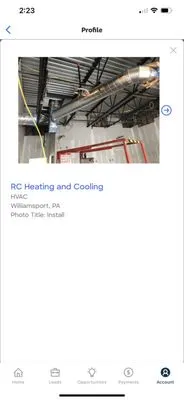
RC Heating and Cooling
RC Heating and Cooling is a certified HVAC contractor serving Williamsport, PA, and the surrounding Tioga and Lycoming County areas for nearly a decade. With expertise in HVAC, plumbing, and gas line ...

D & J Plumbing Heating & Electrical Service
D & J Plumbing Heating & Electrical Service is your trusted, local family-owned provider in Emporium, PA. We specialize in professional plumbing and electrical inspections to ensure your home systems ...
Estimated Plumbing Costs in Burns, NY
Common Questions
How long will it take for a plumber to get to my house if I have a burst pipe?
A typical dispatch from Burns Center takes 45 to 60 minutes. We're heading past Canaseraga Creek on State Route 70, which is the main artery for the area. That time accounts for our local road conditions and getting our truck loaded with the right parts for galvanized or well system repairs. We prioritize emergency calls to get someone moving as quickly as possible.
Is plumbing different out here in the country compared to in town?
The rural setting defines the system. You're on a private well and a septic system, not municipal water and sewer. This means your water pressure is controlled by a well pump and pressure tank, and any drain issues ultimately lead to your septic field. Repairs require an understanding of this entire, self-contained system. We also have to consider longer pipe runs from the well to the house, which are more vulnerable to freezing.
Why do I keep getting pinhole leaks in my basement plumbing?
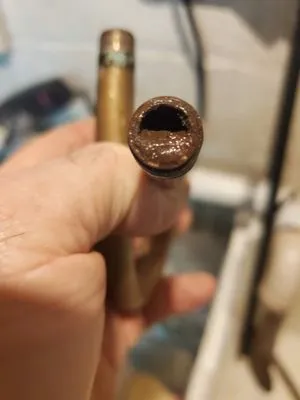
Galvanized steel installed around 1951 fails in a predictable way. The zinc coating that protects the steel has worn off after decades, leaving the base metal exposed. Combined with our hard water, this causes tuberculation—a form of corrosion that creates rough, scaled interior walls. Those weak spots eventually perforate, resulting in the pinhole leaks you're finding. It's a systemic issue, not a random one.
What should I do to get my plumbing ready for winter in the Snow Belt?
The pro-tip for our winters, where lows hit 14°F, is to disconnect and drain your garden hoses before the first hard freeze. More critically, know where your main water shut-off valve is. If you're leaving for more than a day during a cold snap, consider shutting off the main and draining your system. The spring thaw brings its own issues, as shifting ground can stress old pipes and reveal new leaks.
Do I need a permit to replace my water heater, and who handles that?
Yes, the Town of Burns Code Enforcement requires permits for water heater replacements. As a master plumber licensed through the New York State Department of State Division of Licensing Services, I pull those permits and schedule the required inspections. My job is to handle that red tape and ensure the work meets all state and local codes, so you don't have to navigate the process yourself.
My water pressure is dropping in my Burns Center home. What's going on with these old pipes?
Your galvanized steel pipes are about 75 years old now. That's well past their expected 50-year lifespan. What you're seeing is the final stage of corrosion, where scale buildup on the inside has reduced the pipe diameter to a pencil's width. This causes the pressure drop. The steel itself is also thinning, which leads to the next phase: leaks at the joints and threaded fittings.
Could the hilly land around here be causing my drainage problems?
Absolutely. The slope of your property dictates how your drain lines and main sewer line run. A steep grade can put excessive stress on pipe joints, while a shallow one doesn't provide enough fall for waste to flow properly. For homes near Canaseraga Creek, soil saturation is a constant factor. This can lead to foundation shifts that stress the main water line entering your house, often causing it to fail at the entry point.
Does having a private well mean I need special plumbing maintenance?
Yes, it directly impacts your home's hardware. Water from private wells here is often very hard, full of minerals like calcium and magnesium. Without a softener, that scale aggressively builds up inside pipes, water heaters, and fixture valves. It dramatically shortens the life of water heater elements and can clog faucet aerators and showerheads. A whole-house water softener isn't just for comfort; it's a protective measure for your entire plumbing system.
