Top Emergency Plumbers in Broad Channel, NY, 11693 | Compare & Call

There are 238 plumbing companies server in Broad Channel NY
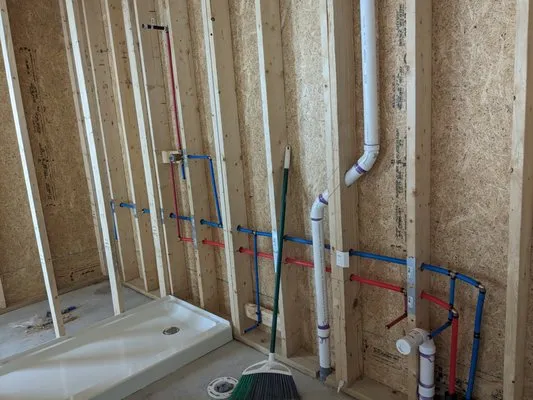
At C&S Plumbing in Jersey City, our foundation is family. Starting as a family-owned operation, we've built our reputation on the principles of reliability and fair pricing that we learned from the be...
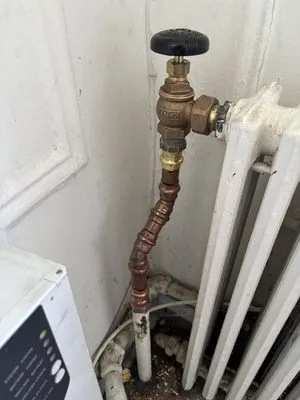
Sam's Plumbing Services is a family-owned and operated Brooklyn business that has been serving the community since 2002. Our foundation is built entirely on customer satisfaction and support, with a p...
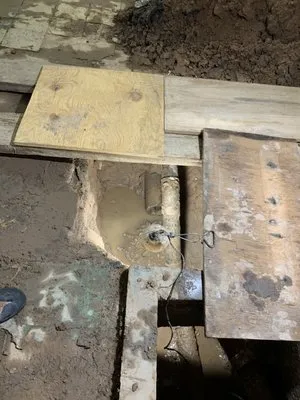
Michael Donahue Plumbing & Heating
Michael Donahue Plumbing & Heating is a trusted, family-owned business that has been serving the Brooklyn community for over 25 years. Originally established in downtown Brooklyn in 1995, the company ...

Zabivay is a licensed home improvement company serving Forest Hills, NY, specializing in plumbing, electrical work, and appliance repair. With a focus on reliability and customer satisfaction, they of...
Vuksani Service Group
Vuksani Service Group is a licensed and insured plumbing, heating, and electrical service provider based in Astoria, NY, serving New York City and Long Island since 2018. We specialize in a comprehens...

Urban Mechanical is a licensed plumbing and fire suppression service provider serving New York, NY, specializing in both residential and commercial installations and repairs. As master plumbers and fi...
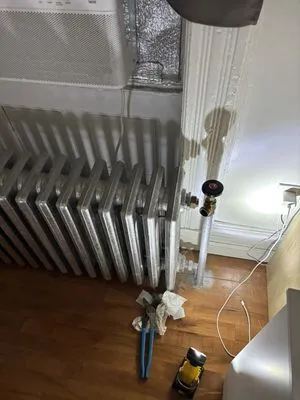
Dov Sewer and Drain is a licensed plumbing service in Brooklyn, NY, specializing in comprehensive drainage solutions for local homes and businesses. We provide professional drain cleaning, unclogging,...
Bargain Plumbing and Heating
Bargain Plumbing and Heating has been serving New York City since 2004, providing reliable plumbing and heating solutions for both residential and commercial clients. Founded by Kushtrim, who brings o...
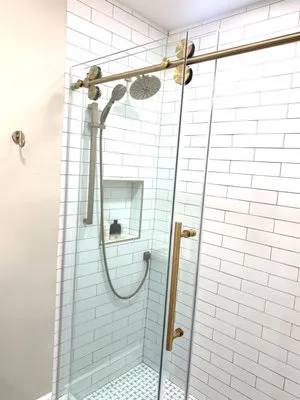
Kirill's Sink and Shower Repair is a licensed plumbing service based in Brooklyn, NY, dedicated to providing reliable and efficient solutions for local homeowners. With a focus on punctuality and clea...
Irwin Friedman & Son is a fourth-generation family-owned plumbing business serving Brooklyn and all five boroughs since 1926. Founded by Louis and Ida Friedman in Bedford-Stuyvesant, the company has b...
Estimated Plumbing Costs in Broad Channel, NY
Q&A
As a suburban homeowner, what unique plumbing concerns should I watch for?
Municipal water pressure in Broad Channel typically runs 50-70 PSI, which stresses aging galvanized pipes more than modern materials can handle. Tree roots seeking moisture frequently infiltrate sewer laterals, especially where original clay or cast iron lines connect to the main. Unlike urban high-rises with multiple units sharing maintenance costs, suburban homeowners bear full responsibility for water service lines from the street connection to the house interior.
Does our water source affect how long my water heater lasts?
Water from the Delaware Aqueduct tends toward slightly acidic composition, which accelerates corrosion inside water heaters and fixtures. The anode rod in your heater sacrifices itself to protect the tank lining, but acidic conditions consume these rods faster. Without timely replacement, tank corrosion leads to premature failure. Installing a whole-house water neutralizer can extend appliance lifespans by balancing pH before water enters your plumbing system.
What permits do I need for plumbing work in Broad Channel?
NYC Department of Buildings requires permits for most plumbing replacements or major repairs. I handle filing paperwork, scheduling inspections, and ensuring compliance with current codes so homeowners avoid violations. Having a licensed master plumber submit documentation streamlines the process since the department recognizes qualified professionals. This approach minimizes delays while keeping your project properly documented for future reference.
My Broad Channel home was built around 1954 - what should I expect from my plumbing now?
Galvanized steel pipes installed in 1954 are now 72 years old, well beyond their 40-50 year lifespan. Homeowners here commonly see reduced water pressure from internal corrosion buildup, rust-colored water when taps first open, and frequent leaks at threaded joints. The zinc coating that once protected these pipes has deteriorated completely, leaving bare steel vulnerable to accelerated wear. Many houses in the neighborhood are dealing with these same issues as original plumbing reaches end-of-life.
Could Broad Channel's low elevation be causing my drainage issues?
Low-lying terrain around Jamaica Bay Wildlife Refuge creates minimal slope for proper drainage away from foundations. During heavy rain or high tide events, groundwater saturation puts hydrostatic pressure on buried sewer lines and can overwhelm perimeter drains. This constant moisture exposure accelerates corrosion on any remaining underground galvanized piping. Ensuring positive drainage away from your foundation remains critical for protecting below-grade plumbing components.
What should I do before hurricane season to prevent plumbing problems?
Before hurricane season peaks, secure outdoor faucets with insulated covers and clear debris from foundation drains. Temperatures here rarely drop below 28°F, but wind-driven rain during storms can infiltrate unprotected exterior plumbing penetrations. Check that your main water shutoff valve operates smoothly so you can quickly isolate the system if needed. These simple preparations help avoid emergency calls when conditions deteriorate.
How quickly can a plumber reach Broad Channel in an emergency?
Heading past Jamaica Bay Wildlife Refuge on Cross Bay Boulevard gets me to most Broad Channel addresses within 45-60 minutes from dispatch. That route provides the most direct access while avoiding heavier traffic patterns found on other approaches. I keep real-time traffic monitoring active during transit to adjust for seasonal variations or weather impacts on the boulevard.
Why do my galvanized pipes keep springing small leaks?
Pinhole leaks in 72-year-old galvanized steel result from corrosion concentrating at weak points in the pipe walls. As the protective zinc layer disappears, oxygen and minerals in the water create localized corrosion cells that eat through the steel. These often appear first near joints where dissimilar metals meet or where pipe supports create stress points. Complete pipe replacement typically becomes more cost-effective than repeated spot repairs at this age.
