Top Emergency Plumbers in Boston, NY, 14025 | Compare & Call

There are 46 plumbing companies server in Boston NY
Brad Miller Miller's Plumbing & Excavating
Brad Miller Miller's Plumbing & Excavating is a trusted, full-service contractor serving Erie and the surrounding communities. For years, our team has helped local homeowners tackle the region's commo...
Frank's Mr. Plumber brings reliable, Nexstar-certified plumbing solutions to Tonawanda and the greater Buffalo area. We operate on the principle that while no one loves to call a plumber, you should b...
Reliable Repairs Handyman Service is your trusted local handyman in Lockport, NY, specializing in comprehensive plumbing solutions to keep your home running smoothly. We understand that home upkeep sh...
Zenner & Ritter
Zenner & Ritter is a family-owned and operated home services company that has been a cornerstone of the Buffalo, NY community since the late 1920s. Under the leadership of Barbara and her son Brian, t...
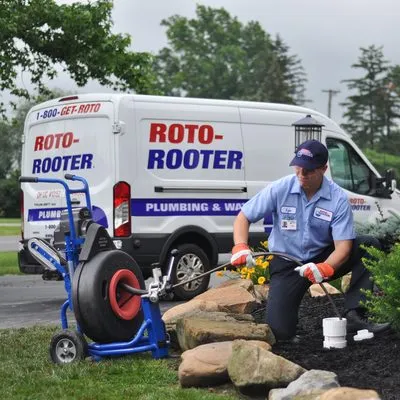
Roto-Rooter Plumbing & Water Cleanup
Roto-Rooter Plumbing & Water Cleanup is your trusted local partner for plumbing and water damage services in West Seneca, NY. We are a fully staffed, locally operated team of dependable and friendly p...
McAllister Plumbing, Heating & Cooling
Since 1958, McAllister Plumbing, Heating & Cooling has been a trusted family business in Hamburg, NY, dedicated to serving the Southtowns. We operate on the fundamentals of integrity and care, values ...
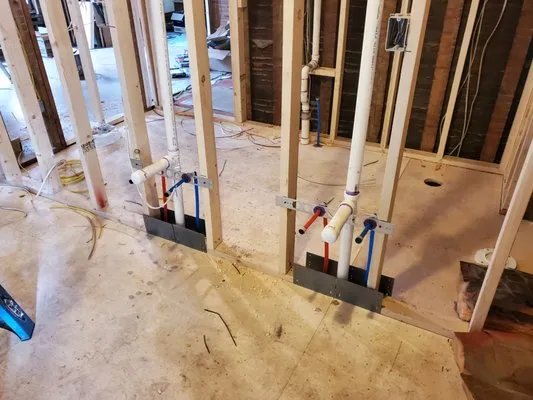
My Plumber is a licensed plumbing service provider serving the Cheektowaga and Buffalo areas with over 15 years of experience. We offer a comprehensive range of services including sewer drain cleaning...
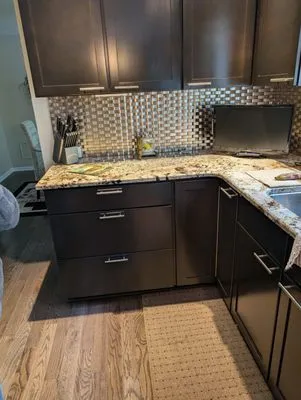
The Handymen serves West Seneca homeowners with a comprehensive range of repair, installation, and maintenance services. From plumbing and electrical work to drywall, painting, and tile, we handle the...

Combat Plumbing is a veteran and woman-owned plumbing company proudly serving Angola, Hamburg, Orchard Park, and the greater Western New York community. Founded on over 15 years of industry expertise,...
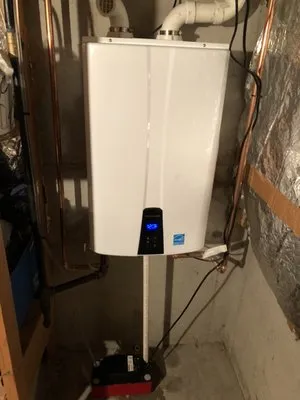
Bright Star Plumbing and Contracting
Bright Star Plumbing and Contracting is a fully licensed and insured plumbing company serving both residential and commercial clients in Niagara Falls, NY. We are honest plumbers committed to providin...
Estimated Plumbing Costs in Boston, NY
Questions and Answers
How long does it take for a plumber to get to my house in Boston?
From my shop, the dispatch route typically involves heading past Boston Town Park on US-219 to reach most homes. Given the rural roads and weather, a 45 to 60 minute response time is standard for non-emergency calls. For urgent situations like a major leak, I can often be on the road quicker, but travel time on US-219 and local roads is a fixed variable.
Could the hilly land around my house cause plumbing problems?
Hilly terrain, like the slopes around Boston Town Park, puts constant, uneven stress on the main water line running from your well to the house. This stress can fatigue pipes and fittings over time. The grade also affects drainage; during heavy rain or spring thaw, saturated soil can shift and put lateral pressure on buried lines, potentially causing a break or misalignment at a connection.
My copper pipes are original to the house from 1967. Should I be worried about them?
Copper pipes installed in 1967 are now 59 years old, which is near the end of their typical service life in our water conditions. Homeowners in Boston Center are now seeing a pattern of pinhole leaks, often where the pipe has thinned from decades of internal corrosion and water movement. This thinning is accelerated by the mineral content from private wells. It's not a question of if, but when these older sections will fail, usually starting at joints or in horizontal runs.
Does hard well water damage my plumbing fixtures?
Yes, the mineral-heavy water from private wells causes scale buildup that directly impacts hardware. Inside a water heater, scale insulates the heating elements, forcing them to work harder and fail sooner. On faucet cartridges and shower valves, the buildup restricts water flow and can seize internal parts. You'll notice reduced pressure and may need to replace fixtures more often than homes on a treated municipal supply.
Are there special plumbing considerations for a rural home with a well and septic system?
Absolutely. The entire water and waste system is self-contained. A failing pressure tank or well pump means no water at all, not just low pressure. On the septic side, what goes down the drain directly impacts the leach field. Harsh chemicals or excessive water use can damage the septic biology. Maintenance for both systems is the homeowner's responsibility, unlike in a town with municipal services.
What should I do to my pipes before a deep freeze in the Boston snow belt?
The key pro-tip for our winters, where lows hit 15°F, is to disconnect and drain your garden hoses before the first hard freeze. A frozen hose bib can split the pipe inside the wall, causing a major leak. For vulnerable plumbing in crawl spaces or against exterior walls, installing pipe insulation is a simple, effective preventative measure that avoids costly emergency calls during a thaw.
What permits do I need for a plumbing job, and does the plumber handle that?
Most plumbing work here requires a permit from the Town of Boston Building Department. As a master plumber licensed by the New York State Department of State Division of Licensing Services, I pull those permits and schedule the required inspections as part of the job. My credential means I handle the red tape and ensure the work meets all state and local codes, so you don't have to navigate that process yourself.
Why do my copper pipes keep springing pinhole leaks?
This specific failure is common for copper systems of this vintage. After nearly six decades, the protective oxide layer inside the pipe can break down, especially with acidic or hard well water. Pinhole leaks form where this erosion is most concentrated, often at soldered joints or where water velocity is high. The age of the pipe means the copper wall is simply thinner and more susceptible to this type of perforation.
