Top Emergency Plumbers in Angola, NY, 14006 | Compare & Call

There are 34 plumbing companies server in Angola NY
Brad Miller Miller's Plumbing & Excavating
Brad Miller Miller's Plumbing & Excavating is a trusted, full-service contractor serving Erie and the surrounding communities. For years, our team has helped local homeowners tackle the region's commo...
Frank's Mr. Plumber brings reliable, Nexstar-certified plumbing solutions to Tonawanda and the greater Buffalo area. We operate on the principle that while no one loves to call a plumber, you should b...
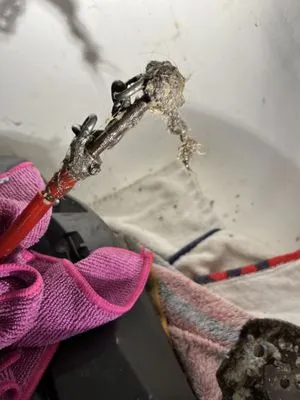
Reliable Repairs Handyman Service is your trusted local handyman in Lockport, NY, specializing in comprehensive plumbing solutions to keep your home running smoothly. We understand that home upkeep sh...
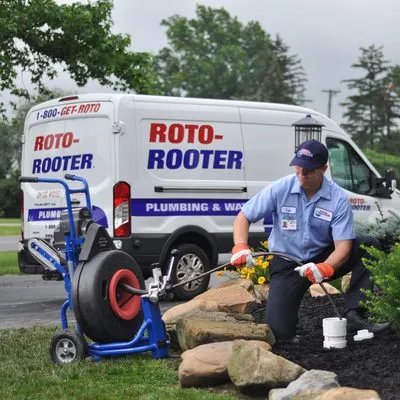
Roto-Rooter Plumbing & Water Cleanup
Roto-Rooter Plumbing & Water Cleanup has been a trusted resource for Buffalo, NY, homeowners and businesses for years. We are fully staffed and ready to help 24 hours a day, 7 days a week, with no ext...
Zenner & Ritter
Zenner & Ritter is a family-owned and operated home services company that has been a cornerstone of the Buffalo, NY community since the late 1920s. Under the leadership of Barbara and her son Brian, t...
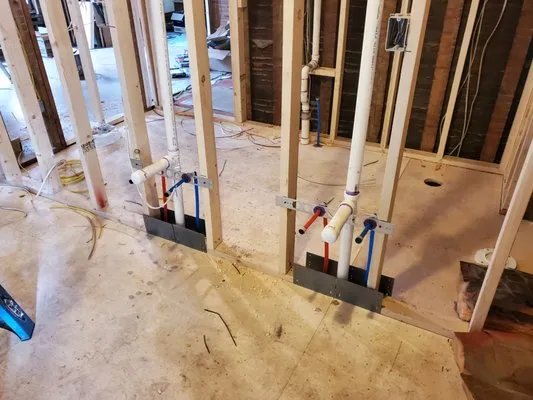
My Plumber is a licensed plumbing service provider serving the Cheektowaga and Buffalo areas with over 15 years of experience. We offer a comprehensive range of services including sewer drain cleaning...
The Handymen serves West Seneca homeowners with a comprehensive range of repair, installation, and maintenance services. From plumbing and electrical work to drywall, painting, and tile, we handle the...

Combat Plumbing is a veteran and woman-owned plumbing company proudly serving Angola, Hamburg, Orchard Park, and the greater Western New York community. Founded on over 15 years of industry expertise,...
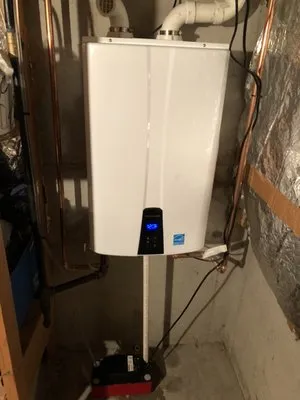
Bright Star Plumbing and Contracting
Bright Star Plumbing and Contracting is a fully licensed and insured plumbing company serving both residential and commercial clients in Niagara Falls, NY. We are honest plumbers committed to providin...
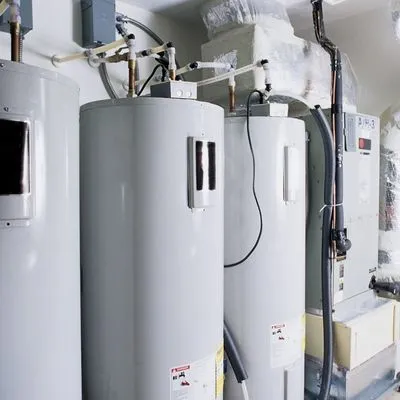
The Hot Water People is a trusted plumbing service based in Buffalo, NY, specializing in comprehensive residential and commercial plumbing solutions. We handle everything from water heater installatio...
Estimated Plumbing Costs in Angola, NY
Frequently Asked Questions
How quickly can a plumber reach my home in Angola?
Heading past Evangola State Park on I-90 puts me on the main artery through the region. From there, local roads connect directly to Angola Village neighborhoods. This route typically takes 45-60 minutes depending on traffic and weather conditions. Knowing these roads means I can estimate arrival time accurately when you call with an emergency.
As a suburban homeowner, what plumbing issues should I watch for?
Municipal water pressure in Angola typically ranges 40-60 PSI, which is manageable for most homes but can stress older galvanized pipes. Tree roots seek moisture and can infiltrate sewer laterals, causing blockages. Regular inspections of visible pipes and monitoring water pressure changes help identify issues before they become emergencies. Unlike rural properties with wells and septic systems, you're connected to town water and sewer mains.
Why are so many Angola Village homes having plumbing problems lately?
Galvanized steel pipes installed around 1955 are now 71 years old. At this age, the zinc coating has completely worn away, exposing the underlying steel to constant water contact. Homeowners are seeing rust-colored water, reduced pressure from mineral buildup inside the pipes, and frequent leaks at threaded joints. This corrosion accelerates in our hard water conditions, making replacement more urgent than in areas with softer water.
Does Lake Erie water damage my home's plumbing?
Lake Erie provides hard water with high mineral content that causes scale buildup inside pipes and appliances. Water heaters accumulate sediment that reduces efficiency and can lead to premature failure. Fixtures develop mineral deposits around aerators and showerheads, reducing flow. Installing a water softener helps, but existing scale in older galvanized pipes still requires mechanical removal or pipe replacement.
What should I do before spring thaw to avoid plumbing disasters?
Before temperatures rise above freezing, disconnect garden hoses and shut off exterior faucets from inside your home. Insulate pipes in unheated areas like crawl spaces and garages. Keep your thermostat at a consistent temperature day and night during thaw periods. These steps prevent burst pipes when frozen water expands and thaws rapidly, which happens frequently in our Snow Belt climate with 18-degree winter lows.
What causes those small leaks in older Angola homes?
Galvanized steel pipes from the 1950s develop pinhole leaks when corrosion eats through the pipe wall. Joint calcification also occurs where threaded connections accumulate mineral deposits that eventually crack the fittings. These failures often start in hidden areas like crawl spaces or behind walls, so you might notice water stains or dampness before seeing active dripping.
Why does my basement drain slowly during heavy rain?
Low-lying terrain around Evangola State Park affects drainage patterns throughout Angola. Water naturally flows toward lower elevations, putting hydrostatic pressure on foundation walls and basement drains. This constant moisture can stress main sewer lines, causing soil shifting that leads to pipe misalignment or cracks. Proper grading around your home's foundation helps direct water away from critical plumbing infrastructure.
Who handles permits for plumbing work in Angola?
The Town of Evans Building Department issues local permits while New York State Department of State regulations govern plumbing code compliance. I handle this red tape so you don't have to—filing paperwork, scheduling inspections, and ensuring all work meets current standards. This includes proper backflow prevention devices, venting requirements, and material specifications that protect both your home and the municipal system.
