Top Emergency Plumbers in Angelica, NY, 14709 | Compare & Call

There are 219 plumbing companies server in Angelica NY
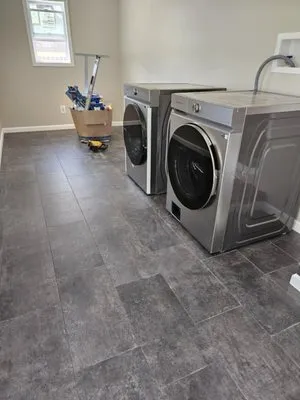
Freeman Construction Co LLC is a family-owned and operated business serving Pleasantville and the surrounding area for over 25 years. Founded by Richard, a contractor known for his hands-on expertise ...

For over 30 years, Jim's Home Services has been the trusted handyman for Towanda area residents and businesses. With extensive training as a licensed electrician and deep plumbing knowledge, Jim bring...
CrossRoads Electric Plumbing Heating
For over a decade, CrossRoads Electric Plumbing Heating has been the trusted local provider for Coudersport, PA, and the surrounding communities. With nearly 40 years of combined trade experience, the...

BK Plumbing & Repair is a family-owned, certified master plumbing service proudly serving the Mifflinburg community. We are fully insured and bring years of dedicated property maintenance experience t...
TPE Plumbing and Heating is a trusted, local plumbing service based in Port Allegany, PA. We specialize in solving the common water system issues our neighbors face, from persistent pipe corrosion due...
Berg Plumbing & Heating is a trusted, locally-owned plumbing service in Wellsboro, PA, dedicated to helping homeowners maintain reliable and efficient plumbing systems. We specialize in thorough plumb...
Perry's Plumbing Heating Air Conditioning
Perry's Plumbing Heating Air Conditioning has been serving the Lock Haven community for over 45 years, specializing in plumbing and heating with an additional decade of expertise in air conditioning s...

Jeff Pier Plumbing is a trusted, local plumbing service in Wellsboro, PA, dedicated to keeping your home's water system safe and reliable. We specialize in addressing the common local plumbing challen...
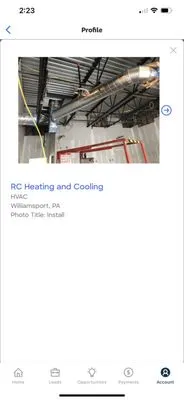
RC Heating and Cooling
RC Heating and Cooling is a certified HVAC contractor serving Williamsport, PA, and the surrounding Tioga and Lycoming County areas for nearly a decade. With expertise in HVAC, plumbing, and gas line ...

D & J Plumbing Heating & Electrical Service
D & J Plumbing Heating & Electrical Service is your trusted, local family-owned provider in Emporium, PA. We specialize in professional plumbing and electrical inspections to ensure your home systems ...
Estimated Plumbing Costs in Angelica, NY
Common Questions
Does living in a rural area like Angelica change how I maintain my plumbing system?
Absolutely. With a private well and septic system, you are your own water and sewer department. This means monitoring your well pump's pressure tank and being vigilant about what goes into the septic system. Avoid chemical drain cleaners, as they can kill the essential bacteria in your septic tank. Scheduling regular septic inspections and pump-outs is not optional maintenance; it's critical to preventing a costly and disruptive system failure.
How fast can you get to my house in Angelica for an emergency?
Our dispatch route is direct. Heading past Angelica Park Circle onto I-86 is the fastest path to most of the village and surrounding towns. A typical response from our call to your door is 45 to 60 minutes, depending on your exact location off the main routes. We keep trucks stocked for common emergencies, so the technician has what's needed to start the repair immediately upon arrival.
Why does my old galvanized pipe keep leaking even after a patch?
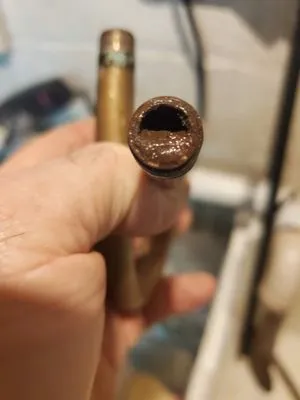
Galvanized steel from 1938 fails systemically. A patch on one pinhole leak doesn't address the advanced internal corrosion throughout the entire run. The pipe walls are uniformly thinning, and mineral scale buildup at the joints can cause them to split. It's often more cost-effective to plan a full section replacement with modern materials rather than chasing individual leaks that will inevitably recur nearby.
Do I need a permit to replace my water heater or repipe my house?
Most major plumbing work in Allegany County requires a permit from Code Enforcement, and the installation must meet New York State Building Codes. As a licensed master plumber, I handle that red tape for you. I pull the required permits, schedule the inspections, and ensure the work passes code. This protects your home's value and ensures the system is safe. You don't have to navigate the state and county paperwork yourself.
My home in Angelica was built in the 1930s. What's happening to my old pipes?
Your home's original galvanized steel plumbing is about 88 years old now. In the Main Street Historic District, we're seeing a predictable failure pattern. The pipes lose interior diameter from rust and scale, so water pressure drops noticeably. Sections of pipe become so thin they can spring pinhole leaks, often hidden inside walls. This isn't a minor issue; it's the expected end-of-service life for that material.
My yard near Angelica Park Circle is on a slope. Could that affect my sewer line?
Yes, hilly terrain puts constant, uneven stress on underground main sewer lines. Over decades, the soil can shift or settle, causing the pipe to sag or its joints to separate. This creates a low spot where waste collects and eventually causes a blockage. A telltale sign is repeated slow drains in the lowest fixtures of your home. A camera inspection can identify these specific stress points caused by the slope.
What's the most important thing to do with my plumbing before winter in the Snow Belt?
Before temperatures hit that 14-degree low, disconnect and drain all outdoor hoses. The pro-tip is to locate and shut off the interior isolation valve for each outdoor faucet, then open the outside spigot to drain the line. A frozen hose bib can split the pipe inside your wall, causing a major leak. This simple five-minute task prevents one of the most common and damaging spring thaw emergencies we see.
We have a private well. Why is my water heater failing so often?
Private wells in our area typically pull very hard water. That mineral content accelerates scale buildup inside your water heater's tank and on its heating elements. This insulating scale makes the heater work harder, shortening its lifespan and increasing energy bills. Installing a whole-house water softener is the standard professional recommendation here to protect all your appliances and fixtures from premature failure.
