Top Emergency Plumbers in Alfred, NY, 14802 | Compare & Call

There are 11 plumbing companies server in Alfred NY
Just In Time Septic and Site Construction
Just In Time Septic and Site Construction is a trusted local contractor serving Orchard Park and Eden, NY, with over 15 years of experience in excavation, plumbing, and septic systems. We specialize i...
HC Plumbing is a trusted plumbing service provider in Canisteo, NY, offering expert solutions for residential and commercial needs. Specializing in repairs, installations, and maintenance, we deliver ...
Echelon Mechanical is a trusted local service provider in Springwater, NY, specializing in essential home inspections to keep your property safe and functional. We focus on electric and plumbing inspe...
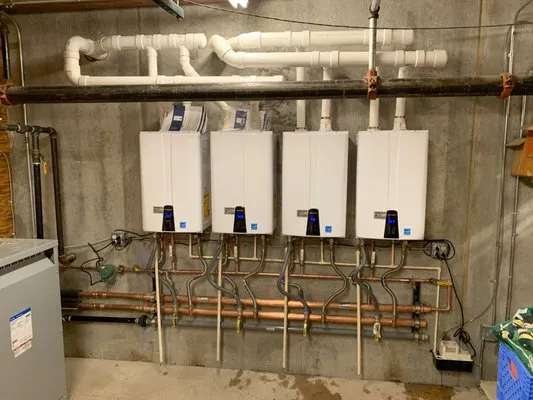
Anderson-Shortell
Anderson-Shortell is a locally owned and operated, full-service plumbing and HVAC company serving Olean, NY, the Southern Tier, and Northern PA for over 110 years. Our team of licensed and bonded plum...
Dan Kandefer Plumbing & Heating
Founded in 1952, Dan Kandefer Plumbing & Heating is a family-owned and operated business serving Great Valley, Western New York, and the Greater Buffalo area. For over 65 years, they've built a reputa...

Kellner
Kellner, LLC has been the trusted local provider for water conditioning and plumbing solutions in Olean, Bradford, and Wellsville since 2018. As a nationally certified well driller and pump installer ...
A & E Plumbing and Heating is your trusted, local plumbing expert in Alfred Station, NY. We specialize in providing reliable solutions for common regional issues like frozen pipes and broken shutoff v...
Pinnacle Appliance Repair is your trusted, local expert for appliance service in Hornell, NY, and the surrounding areas. We specialize in fast, reliable repairs for all major home appliances, includin...
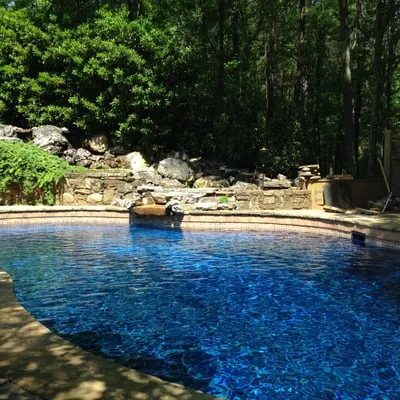
Since 1989, East Coast Pools has been a trusted pool contractor serving Alfred Station and the surrounding Finger Lakes region. We specialize in both commercial and residential swimming pool resurfaci...
Lindsay's Plumbing & Heating
For over 25 years, Lindsay's Plumbing & Heating has been the trusted local solution for plumbing and heating needs in Wellsville, NY. We provide reliable, EPA-certified service for both homes and busi...
Estimated Plumbing Costs in Alfred, NY
FAQs
Who handles permits and inspections for plumbing work in Alfred?
Village of Alfred Code Enforcement requires permits for most plumbing modifications. As a New York State Department of State licensed master plumber, I handle the red tape so you don't have to. This includes submitting plans, scheduling inspections, and ensuring work meets current code requirements for safety and water conservation standards.
Why do older Alfred homes keep getting pinhole leaks in their plumbing?
Galvanized steel pipes from the 1960s develop pinhole leaks where the zinc coating wears thin. Joint calcification occurs where threaded connections lose their seal over decades. These failures typically start in horizontal runs and at elbows where water sits. Replacement sections often show interior walls reduced to half their original diameter from corrosion.
As a rural Alfred homeowner with a well and septic system, what plumbing maintenance is unique to my situation?
Well systems require pressure tank maintenance and periodic pump checks. Septic systems need regular pumping every 3-5 years depending on household size. Avoid chemical drain cleaners that can kill beneficial bacteria in septic tanks. Install sediment filters on well water lines to protect fixtures and appliances from mineral particles.
How quickly can a plumber reach my house if I have a water emergency in Alfred?
Heading past Alfred University Campus on State Route 21, our dispatch route covers most village locations within 45-60 minutes. We maintain vehicles stocked with common Alfred repair parts like dielectric unions and galvanized couplings. Rural properties further from the main corridor may add 10-15 minutes depending on road conditions.
My Alfred home's pipes are making noise and water pressure seems lower than it used to be - what's happening?
Galvanized steel pipes installed around 1963 are now 63 years old. In the Main Street Corridor, homeowners are seeing reduced flow rates and sediment in their water as the interior walls corrode. The pipe diameter shrinks over decades from mineral buildup, creating that familiar knocking sound when water flows. This isn't sudden failure but gradual degradation that accelerates after the 60-year mark.
What should I do before spring thaw to prevent plumbing problems in Alfred's cold winters?
Insulate exposed pipes in crawl spaces before temperatures drop to 14°F. Disconnect garden hoses and shut off exterior faucets from inside. During spring thaw, check basement walls for moisture as frozen ground thaws and shifts. Keep cabinet doors open under sinks to allow warm air circulation on the coldest nights.
Does Alfred's hard well water damage my water heater or fixtures?
Hard water from private wells deposits scale inside water heaters, reducing efficiency and shortening tank life. Fixtures develop mineral buildup around aerators and valve seats. Anode rods in water heaters corrode faster with high mineral content. Regular maintenance includes flushing heaters annually and checking pressure relief valves for scale blockage.
Could Alfred's hilly terrain be causing my drainage issues?
Hilly slopes around Alfred University Campus create drainage challenges where water follows the path of least resistance. Main lines running downhill experience increased pressure at lower elevations. Soil shifting on slopes can stress pipe joints over time. Proper grading away from foundations prevents water from pooling near basement walls during heavy rains.
