Top Emergency Plumbers in Washoe Valley, NV, 89704 | Compare & Call

There are 102 plumbing companies server in Washoe Valley NV

Mattes Construction
Mattes Construction is a trusted plumbing service provider based in Citrus Heights, CA, dedicated to helping local homeowners tackle common plumbing issues. We specialize in thorough plumbing inspecti...
Bullseye Plumbing has been serving Oroville and Butte County since 2004, providing reliable residential plumbing services. Founded by a plumber who began his career in 1999 and gained experience with ...

Mansfield Plumbing is a veteran-owned and operated business proudly serving the residents of Sparks and the surrounding areas. We specialize in a full spectrum of residential service and repair, from ...
Jolly Rooter is a licensed and bonded residential plumbing service based in Reno, NV, specializing in comprehensive solutions for local homeowners. Established in 2020 as a family-owned and operated b...
Reno Plumbing Doctor
Plumbing Doctor Reno is a locally owned and operated team in Sparks, NV, bringing together over 40 years of combined plumbing expertise with a commitment to personal service. Founded by local resident...
Savage And Son Plumbing & Heating Contractor
Savage And Son Plumbing & Heating is a family-owned and operated contractor serving Reno, NV, and the surrounding northern Nevada and California communities since 1893. With the oldest active contract...
Ira Hansen and Sons Plumbing
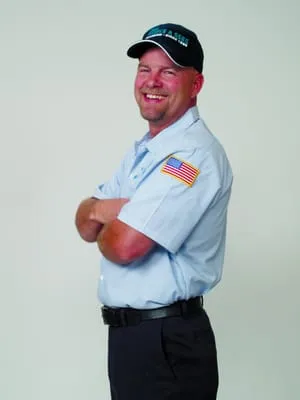
Ira Hansen and Sons Plumbing has been a trusted fixture in Sparks since 1986, founded on a family legacy of hard work and community. Ira Hansen, a second-generation Sparks resident and third-generatio...
Pro Plumbing
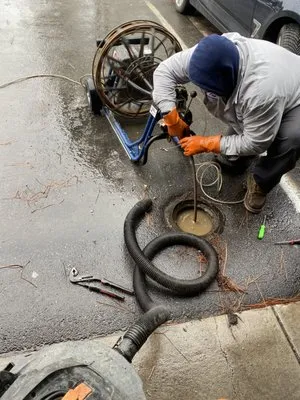
For over 20 years, Pro Plumbing has been a trusted, locally owned and operated service provider in Sparks, Carson City, and the surrounding Tahoe region. We built our reputation on a simple principle:...

CRG Plumbing is a trusted plumbing service provider serving Verdi, NV, with over 30 years of industry expertise. Licensed, insured, and bonded in both California and Nevada (CA 958970, NV 0092818), we...
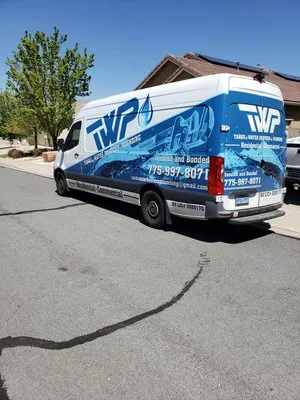
Founded in 1994, Tanks Waterheaters and Plumbing is a licensed, locally-owned plumbing service dedicated to the residents and businesses of Reno, NV. Our philosophy is built on a simple, unwavering pr...
Estimated Plumbing Costs in Washoe Valley, NV
Common Questions
What's the most important thing to do with my plumbing before the spring thaw hits?
Insulate any exposed pipes in crawl spaces or garages, even though our lows are around 20°F. The bigger pro-tip for our arid climate is to check and adjust your irrigation system's backflow preventer and drain it completely before the first hard freeze. A cracked backflow assembly from forgotten water is the most common spring call we get. Also, know where your main water shut-off is; a burst pipe loses gallons per minute.
Why are my copper pipes from the 1970s suddenly failing with tiny leaks?
This is a classic failure mode for 48-year-old copper. The combination of our very hard water and natural electrolysis between the copper and other metals, like old galvanized fittings, accelerates pitting from the inside. You get pinhole leaks where the wall is thinnest. It's also common to find joints that have calcified shut or where the solder has cracked from decades of thermal expansion and contraction, especially on hot water lines.
Could the hilly terrain in my yard be causing my main sewer line to have problems?
Absolutely. The sloping soil around properties near Washoe Lake State Park creates constant, uneven stress on underground pipes. Over decades, this can cause the main sewer line to settle, develop low spots that collect debris, or even separate at joints. If you have slow drains throughout the house, it's often a sign the main line's pitch has been compromised by the shifting, hilly ground, requiring a camera inspection to diagnose.
My Washoe Valley home was built in the late 70s. What plumbing issues should I be watching for now?
Your copper plumbing is about 48 years old, which is the typical service life for copper in this area. Many Pleasant Valley residents are currently dealing with two main issues. The first is pinhole leaks caused by decades of flowing hard water, which erodes the pipe walls from the inside. The second is joint failures where solder has become brittle or scale buildup has stressed connections, often showing up as persistent damp spots on drywall or foundations.
Do I need a permit to replace my water heater or re-pipe my house in Washoe County?
Yes, most major plumbing work requires a permit from Washoe County Building and Safety. As a licensed master plumber with the Nevada State Contractors Board, I handle pulling those permits and scheduling the required inspections. This ensures the work meets current code for safety and insurance purposes. My job is to manage that red tape so you don't have to, and it protects your home's value by creating a legal record of the upgrade.
How long does it take for a plumber to get to my house in Washoe Valley for an emergency call?
From our shop, the dispatch route typically heads past Washoe Lake State Park on US-395. We can reach most addresses in the valley within 45 to 60 minutes, traffic permitting. That timeframe accounts for the winding roads and elevation changes off the main highway, so we ask customers to shut off their main water valve immediately if a major leak occurs to minimize damage before we arrive.
As a rural homeowner with a well and septic, what unique plumbing challenges should I plan for?
Your system operates independently, so maintenance is your responsibility. For the well, the pressure tank and switch are critical; failure means no water. For the septic, the most common issue is a clogged effluent filter or a saturated drain field, signaled by slow drains and sewer odors. Never put a garbage disposal on a septic system here—the hard water creates a concrete-like sludge in the tank. Schedule septic pumping every 3-5 years without fail.
Does having a private well with hard water damage my home's plumbing fixtures?
Yes, the unsoftened, mineral-rich water from your well directly impacts fixtures and appliances. Scale buildup inside water heaters drastically reduces efficiency and lifespan, often cutting it in half. It also clogs aerators on faucets and the small ports in toilet fill valves and shower cartridges, leading to low pressure or complete failure. A whole-house water softener is not a luxury here; it's essential maintenance for protecting your investment.
