Top Emergency Plumbers in Summerlin South, NV, 89135 | Compare & Call

There are 236 plumbing companies server in Summerlin South NV
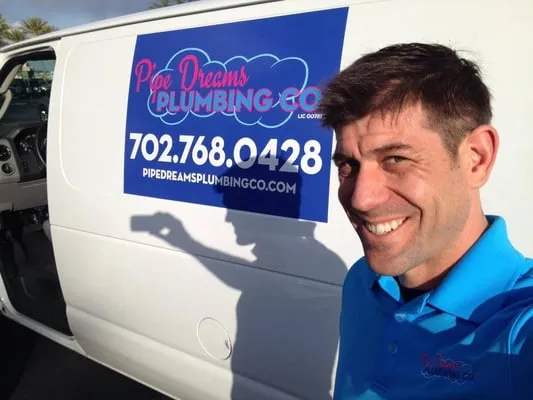
Hello, I'm Chance Vanek, the local owner and operator of Pipe Dreams Plumbing. Born and raised right here in Las Vegas, I started my plumbing career as a helper back in 1997. Over the years, I've gain...
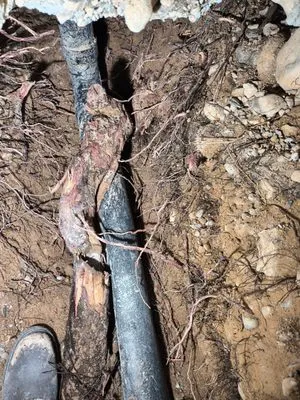
Resolution Plumbing
Resolution Plumbing is a family-owned, licensed plumbing company serving North Las Vegas with comprehensive residential and commercial plumbing solutions. Founded by owner Alex, who brings both expert...
Pure Plumbing & Air
Pure Plumbing & Air is a family-owned plumbing and HVAC company serving Las Vegas, Henderson, and surrounding areas since 2013. Founded by Andrew and Alexis with a mission to protect community health ...

Hips Plumbing is your trusted local Las Vegas plumbing team, providing reliable solutions for homes and businesses. We specialize in tankless water heaters, advanced leak detection, and water softener...
Joe Haiston, a professional plumber with over 15 years of experience, founded the family-owned Impact Plumbing in 2020. A Las Vegas resident originally from Minneapolis, Joe leads a team of licensed, ...
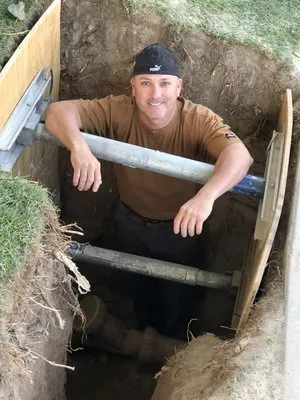
Plumbing Kings LLC is a Las Vegas-based plumbing company founded by Steven Davisson, a licensed professional with over two decades of experience since 1999. Steven relocated to Las Vegas in 2011 after...
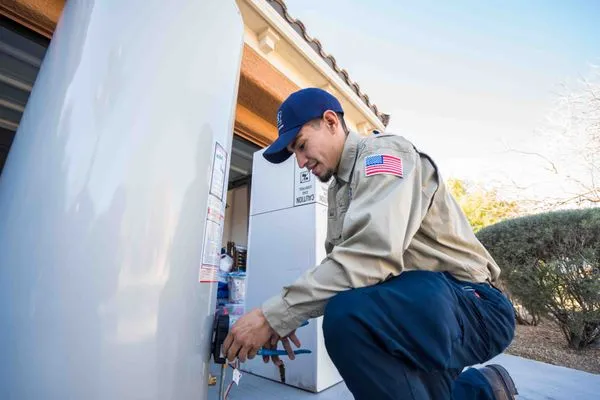
Lee's Air Plumbing and Heating
Lee's Air Plumbing and Heating has been serving Las Vegas residents since 1981, bringing over 30 years of industry experience to every job. We specialize in comprehensive plumbing, heating, and air co...
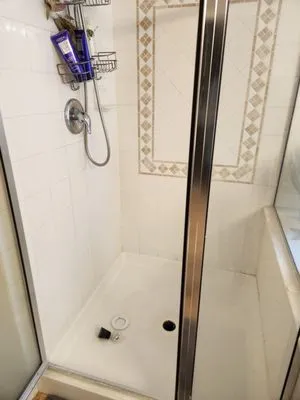
On Time Service Plumbing
On Time Service Plumbing is a licensed, family-owned plumbing company serving Southern Nevada for over 34 years. As a fully licensed contractor (License #0077024, Business License #1002140746), we spe...
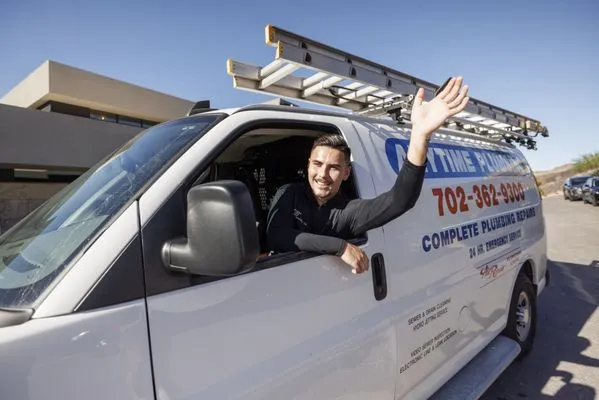
Anytime Plumbing, Heating, & Cooling
Anytime Plumbing, Heating, & Cooling is the largest family-operated plumbing and HVAC service company in Las Vegas, established here in 1982. We're dedicated to getting the job done right the first ti...

Super Service Cooling, Heating & Plumbing
Super Service Cooling, Heating & Plumbing is a family-owned and locally operated company dedicated to serving the Las Vegas community. Growing up here, we understand the unique demands of the desert c...
Estimated Plumbing Costs in Summerlin South, NV
Frequently Asked Questions
My Summerlin South home was built around 2005. Should I be worried about my plumbing?
The copper pipes in your home are now about 21 years old. That's the typical lifespan window where we see systemic issues start. In neighborhoods like The Ridges, I'm getting calls for pinhole leaks, especially at fittings and elbows where water velocity changes. The original installs from that era are reaching their fatigue point from the constant thermal expansion and our hard water. It's not an emergency, but a proactive inspection can identify weak spots before they fail.
How does the Las Vegas heat affect my plumbing?
The extreme temperature swing from our 36-degree winter lows to summer peaks puts constant stress on pipes. Pro-tip: Insulate all exposed pipes, including those in the attic, not just for freeze protection but to mitigate heat expansion. During the hottest months, the ground dries and shifts, which can stress underground main lines. Keeping foundation soil evenly moist can prevent main line cracks from this thermal heaving.
How quickly can a plumber get to Summerlin South in an emergency?
My dispatch route typically starts from the Red Rock Canyon area. I head east on Charleston to catch I-215 northbound, which runs right along the community's edge. That arterial route keeps the trip predictable. Barring major traffic, I can be on site within 30 to 45 minutes from receiving the call. Knowing the main arteries like I-215 and the local streets is key to a fast response here.
What permits do I need for a water heater replacement in Clark County?
Any water heater replacement in Clark County requires a permit and inspection from the Building Department. As a licensed master plumber with the Nevada State Contractors Board, I pull that permit, schedule the inspection, and ensure the installation meets all current code for seismic strapping, expansion tanks, and proper venting. Handling that red tape is part of the job; you shouldn't have to navigate it. An unpermitted job can void warranties and cause issues at sale.
Could the hilly terrain in Summerlin South cause plumbing problems?
The slope of the land, similar to the geology around Red Rock Canyon, directly impacts drainage and pressure. Homes at the bottom of a grade can experience higher static water pressure, which wears out valves and fixtures faster. For homes uphill, drainage systems must work harder, and sewer laterals can develop bellies or low spots where waste collects, leading to repeat clogs. Proper grading and a pressure-reducing valve are often necessary corrections.
Does our Colorado River water damage plumbing fixtures?
Yes, the mineral content from the Colorado River leads to hard water scaling. This calcium buildup is most destructive in water heaters, where it insulates the heating elements and drastically reduces efficiency and lifespan. You'll also see it restrict flow in aerators and showerheads. Over years, scale can even create a rough interior pipe surface that accelerates corrosion. A whole-house water softener is the standard defense here.
Are sewer line problems common in this suburban area?
In Summerlin South's suburban setting, the most frequent issue is tree root intrusion into the sewer lateral. While the municipal main is the county's responsibility, the pipe from your house to the street is yours. Roots seek moisture and can infiltrate even small pipe joints. Given the age of these communities, it's wise to have the lateral camera inspected before it fails. Municipal water pressure is generally stable, but individual home pressure regulation is often needed.
Why are my copper pipes starting to leak?
Copper installed in 2005 is susceptible to pinhole leaks from a combination of age and our water chemistry. The internal surface of the pipe develops a protective patina over decades, but aggressive local water can erode it. You'll often find the first leaks at solder joints or where pipes contact dissimilar metals without proper dielectric unions. This isn't a defect; it's the material reaching the end of its service life under these specific conditions.
