Top Emergency Plumbers in West Hammond, NM, 87413 | Compare & Call

There are 40 plumbing companies server in West Hammond NM
David's Plumbing is your trusted, local plumbing expert serving Valdez, NM, and the surrounding area. We understand the common plumbing frustrations homeowners face here, from stubborn kitchen grease ...

M&R Service is a licensed, bonded, and insured plumbing and electrical provider serving Farmington, NM, and the wider Four Corners region. With over six decades of experience, our team offers comprehe...
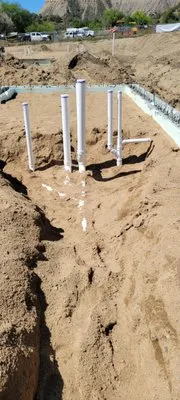
Steele Plumbing is a trusted local plumbing service based in Farmington, NM, specializing in a wide range of residential and commercial plumbing needs. From routine repairs like fixing leaky faucets a...
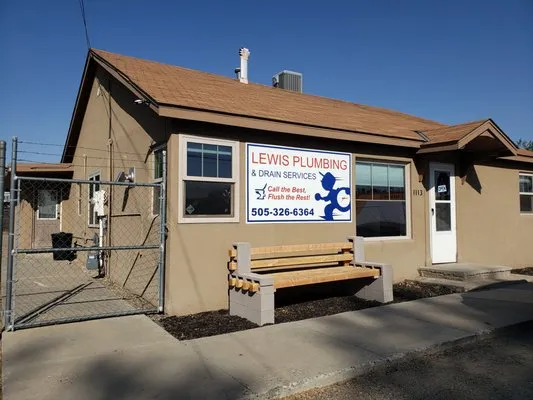
Lewis Plumbing & Drain Services has been providing reliable plumbing solutions to Farmington, NM, for over 16 years. We specialize in a wide range of services including bathtub, drain, faucet, garbage...
Alexander's Plumbing is a trusted, fully licensed, bonded, and insured plumbing service serving the Farmington community. We provide a comprehensive range of services for both homes and businesses, fr...

Davis Plumbing & Mechanical is a trusted, locally-owned plumbing service serving Aztec, NM, and the surrounding Four Corners area. We specialize in diagnosing and solving the everyday plumbing challen...
Foster Plumbing & Heating
Since 1942, Foster Plumbing & Heating has been a trusted name in Farmington, providing reliable plumbing and heating solutions to homes and businesses. We are a family-owned and operated company licen...

R.A. Biel Plumbing & Heating
R.A. Biel Plumbing & Heating has been a trusted family-owned and operated HVAC and plumbing provider serving Farmington, NM, and surrounding areas since 1988. With over three decades of experience, we...
Bulldog Plumbing is your trusted, locally owned plumbing and gas service provider for Farmington and all of San Juan County. Licensed, bonded, and insured, we bring reliable expertise to both site-bui...
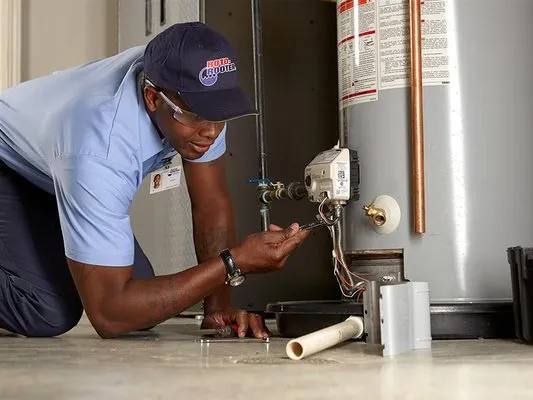
Roto-Rooter
Roto-Rooter in Farmington, NM, is your trusted local plumbing service, open and fully staffed around the clock. As part of North America's largest network, our Farmington team combines national expert...
Estimated Plumbing Costs in West Hammond, NM
Common Questions
Is maintaining a private well and septic system different in a rural area like this?
It requires a more proactive approach. You are the water company and the wastewater treatment plant. Well pumps and pressure tanks suffer more from our hard water scale, needing more frequent checks. Septic systems in arid, hilly terrain must be monitored for proper drainage field function. Regular, scheduled inspections catch small issues before they become system-wide failures that affect your entire home.
Does the hard water from the San Juan River ruin my water heater?
Yes, it significantly shortens its life. The dissolved minerals, primarily calcium and magnesium, precipitate out as solid scale when heated. This rock-like coating builds up on the heating elements and tank bottom, reducing efficiency and causing overheating. In our area, flushing the tank annually to remove sediment is not just maintenance; it's a necessary step to prevent premature failure.
How fast can a plumber get to my house in West Hammond?
My dispatch route starts by the San Juan River. Heading east on US-64, I can typically reach most homes in West Hammond Estates within 45 to 60 minutes. Knowing the main artery and the local roads off it means I'm not relying on a general GPS estimate. I plan for the actual drive time from my service area to your address.
What's the one thing I should do before the first hard freeze to avoid a burst pipe?
Disconnect and drain all outdoor hoses, then shut off and drain the interior valve feeding the outdoor spigot. Our arid climate can deceive you—nights dip to 18 degrees, but dry days feel mild. That spring thaw peak also causes ground movement that stresses already-aged pipes. Protecting those exterior faucets, which are most exposed, is the single most effective pro-tip for preventing a costly winter emergency.
Why is my 1990s West Hammond Estates house suddenly having so many plumbing leaks?
Copper pipe installed in 1991 is now 35 years old. At this stage, the natural wear from decades of hard water flow and the soil chemistry in our area accelerates pinhole leaks. Homeowners here are often seeing the first signs of systemic failure, with small leaks appearing at solder joints or along horizontal runs. This isn't a random event; it's the predictable lifespan of the original plumbing in these neighborhoods.
Could the hilly land around here be causing my drainage problems?
Absolutely. The slope of your property dictates how waste water and storm runoff move. On a hill, the main sewer line from your house to the street can experience extra stress and potential sagging over time, leading to blockages. For homes near the San Juan River, soil saturation can also shift foundations subtly, putting new strain on plumbing connections buried underneath.
Do I need a permit from the county to replace my water heater?
Yes, San Juan County requires permits for water heater replacements to ensure compliance with building and safety codes. As a licensed master plumber, I pull all necessary permits from the San Juan County Planning and Zoning Department and ensure the work passes inspection. My credentials with the New Mexico Construction Industries Division mean I handle that red tape for you, so the project is documented and legal from start to finish.
What's the most common plumbing repair for homes built here in the early '90s?
Pinpoint pinhole leaks in copper lines, especially on hot water lines. After 35 years, the protective inner scale can become uneven, and the copper itself thins in spots from constant, mineral-rich water flow. You'll often find these leaks in walls or ceilings, starting as a small stain before a drip appears. Repair typically involves cutting out the failed section and soldering in a new piece of pipe.
