Top Emergency Plumbers in Thoreau, NM, 87312 | Compare & Call

There are 20 plumbing companies server in Thoreau NM
David's Plumbing is your trusted, local plumbing expert serving Valdez, NM, and the surrounding area. We understand the common plumbing frustrations homeowners face here, from stubborn kitchen grease ...

Rescue Plumbing & Heating is a trusted local plumbing and HVAC service provider serving Gallup, NM, and the surrounding areas. With expertise in a wide range of services including bathtub, drain, fauc...

Horizon Enterprises Plumbing and Heating
Horizon Enterprises Plumbing and Heating is a trusted, full-service provider for the Gallup community. As a locally licensed company, we specialize in both plumbing and HVAC systems, offering a compre...
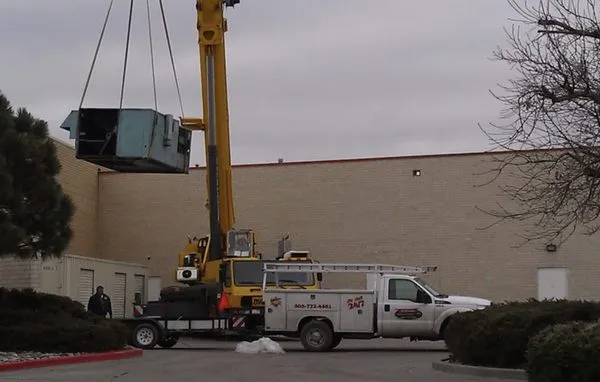
Since 1961, Williams Plumbing has been the trusted, family-owned plumbing and HVAC provider for Gallup, Gamerco, and the surrounding communities. Founded over six decades ago, we've built our reputati...

Dallago Corporation is a trusted plumbing service provider serving the Gallup, NM community. We specialize in comprehensive plumbing inspections to proactively identify and address issues before they ...

Roto-Rooter
Roto-Rooter has been a trusted plumbing and drain cleaning resource in Gallup, NM, since 1935. Operating 24/7, our local team provides dependable and prompt service for both homes and businesses. We h...
First Call Plumbing & Heating is your trusted local plumbing expert in Gallup, NM. We understand the common frustrations Gallup residents face, like unexpected dishwasher leaks and persistent low wate...
Vargas Drain Cleaning & Repair is a trusted local plumbing service in Gallup, NM, specializing in resolving common household drainage problems. We focus on addressing frequent local issues like dishwa...
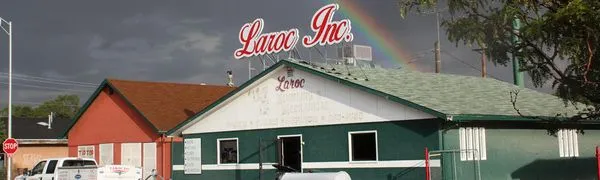
Since 1965, Laroc has been a trusted name for HVAC and plumbing in Gallup and the surrounding New Mexico region. Operating from an 18,000-square-foot facility with a fully automated sheet metal shop, ...
T-N-T Plumbing & Heating is a trusted local plumbing service in Gallup, NM, dedicated to keeping homes and businesses running smoothly. We understand that many Gallup residents face common plumbing ch...
Estimated Plumbing Costs in Thoreau, NM
Questions and Answers
What's the most common plumbing repair for a 1990s Thoreau home?
For copper systems from the early 90s, joint calcification is a frequent culprit. The solder joints holding the pipes together, especially behind walls, can corrode and develop hairline cracks over decades. You'll often hear a ticking sound from expanding pipes or see a slow leak at an elbow fitting. Repairs usually involve cutting out the failed joint and installing a new section with a compression or push-fit fitting designed for old copper.
My Thoreau Townsite home was built in 1993. Should I worry about my plumbing now?
Your copper pipes are now 33 years old. This is right in the window where we see pinhole leaks begin to appear in Thoreau Townsite. It's due to a combination of age and the hard water slowly wearing through the pipe walls from the inside. You might notice a small, persistent drip under a sink or a faint stain on drywall that wasn't there before. It's not a guarantee every home has issues, but it's a common service call we make.
Are septic tank issues different out here than in town?
They are. Without municipal sewer, your system is self-contained. The arid soil affects the leach field's absorption rate, and hard water scale can clog the effluent filter in the tank. Maintenance is proactive: pumping the tank every 3-5 years is critical, not optional. We also check the distribution box and baffles for scale buildup that's specific to well water. It's all part of a standard service call for a rural home.
How quickly can a plumber get to Thoreau from Gallup?
Heading past Continental Divide on I-40, we're typically at your door within 60 to 90 minutes of your call. That's the standard dispatch route for our service area. We factor in weather on the Divide and traffic around the interchanges, but we keep that window reliable. It's why we ask for a clear description of the issue—it helps us bring the right tools and parts on the first trip.
What's one thing I should do before winter to prevent frozen pipes?
In this arid climate, the dry soil offers poor insulation. Before temperatures hit the teens, disconnect and drain any exterior hose bibs. For crawlspace pipes, propping open foundation vents to let warmer ground heat circulate is more effective here than sealing them shut. The goal is to prevent that single overnight drop to 17 degrees from freezing a vulnerable section. A slow drip from faucets during the coldest nights is a reliable last defense.
Who handles permits for a bathroom remodel in McKinley County?
McKinley County Planning and Development issues the local permits, and the New Mexico Construction Industries Division requires a licensed plumber for the work. I pull those permits as part of the job. My license covers the required inspections, so you don't have to navigate the red tape yourself. The process ensures everything is up to current code, which is important for both safety and your home's value.
Does our well water damage water heaters?
Private wells here pull from a hard water aquifer. That mineral content precipitates out as scale, which coats heating elements and settles at the bottom of the tank. This forces the heater to work harder, shortening its life and reducing hot water volume. Installing a whole-house water softener is the standard recommendation; it protects not just the heater but also fixtures, washing machines, and the pipes themselves from accelerated scale buildup.
Could the hilly land near Continental Divide cause sewer problems?
The slope does affect drainage. For homes built on a grade, the main sewer line exiting the house can experience extra stress at the point it transitions from vertical to horizontal. Over years, this can lead to a sag or belly in the line where waste collects. Hilly terrain also means longer lateral runs to the septic tank or main, increasing the chance of root intrusion or soil settlement disrupting the pipe's pitch.
