Top Emergency Plumbers in Tesuque, NM, 87574 | Compare & Call

There are 147 plumbing companies server in Tesuque NM

Louie & Sons Sewer & Drain is a family-owned and operated plumbing service serving Albuquerque, NM, with over 15 years of experience. Founded by Louie, who has worked extensively on both residential a...
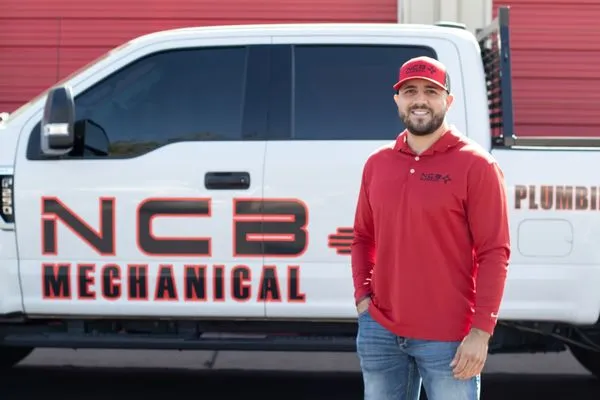
NCB Mechanical is a trusted, locally-owned HVAC and plumbing company serving Albuquerque and the surrounding communities. We are a licensed team of professionals dedicated to providing reliable soluti...
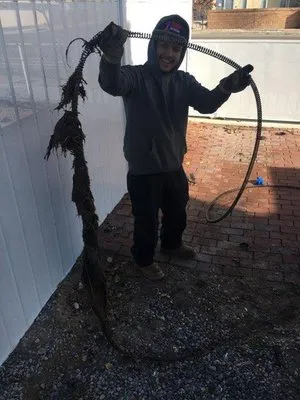
Number One Plumbing, AC, Solar & Electric
Number One Plumbing, AC, Solar & Electric has been a trusted, locally owned provider in Albuquerque since 2005. Founded by David, a journeyman with nearly a decade of experience, the company started w...
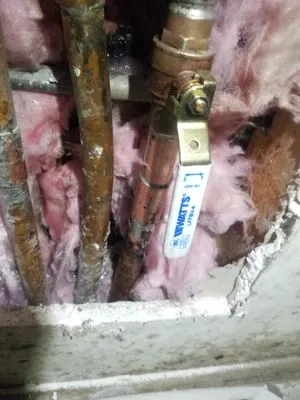
A-1 Plumbing Heating Cooling And Mechanical
A-1 Plumbing Heating Cooling And Mechanical is a trusted, full-service home solutions provider serving Albuquerque and the surrounding areas. We specialize in addressing the common plumbing challenges...
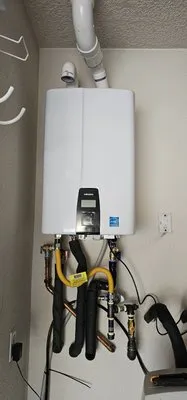
Robert Wilson Plumbing Heating & Air Conditioning
At Robert Wilson Plumbing Heating & Air Conditioning, we are your trusted local partner for home comfort and function in Albuquerque. For years, we've been the reliable choice for families and busines...
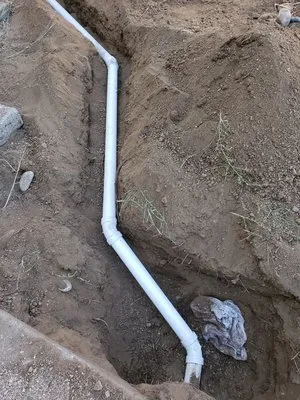
Zoom Drain is your trusted Albuquerque plumbing partner, solving drain and sewer emergencies for homes and businesses. We understand that local issues like broken shutoff valves and pipe corrosion are...
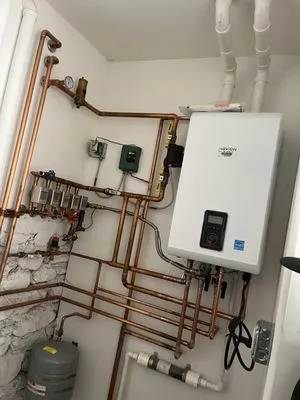
Crespin Plumbing is a locally owned and operated plumbing service in Rio Rancho, NM, with over 20 years of experience in the field. Founded and run by owner James Crespin, the company is built on prin...
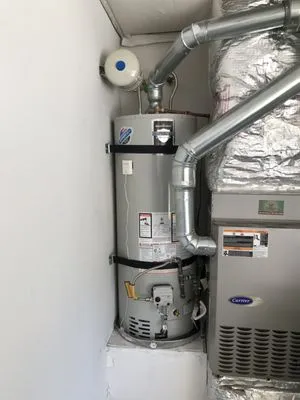
Gustafson's Heating, Cooling & Plumbing
Gustafson's Heating, Cooling & Plumbing is a family-owned and operated business with over 45 years of experience serving Albuquerque and surrounding New Mexico communities. As a local company with dee...

Duke City Heating & Cooling
Founded in 2005 by brothers Paul and Mike, Duke City Heating & Cooling is a family-owned and operated company rooted in Southeast Albuquerque. The brothers began learning the trades as teenagers in th...

Oats Plumbing is your trusted, local plumbing expert serving Albuquerque and the surrounding areas. We understand the unique challenges Albuquerque homeowners face, from frequent garbage disposal jams...
Estimated Plumbing Costs in Tesuque, NM
FAQs
What should I know about maintaining my well and septic system in rural Tesuque?
Private well and septic systems require scheduled maintenance that municipal connections do not. Have your well water tested annually for contaminants and the pump inspected every few years. For septic, pumping the tank every 3-5 years is necessary to prevent solids from reaching the drain field and causing a costly failure. Keep a detailed service log; it's invaluable for troubleshooting.
Is my plumbing system from the 70s in Tesuque due for problems?
Copper plumbing installed around 1976 is now 50 years old. In Tesuque Village, we often see older homes where the internal pipe walls have thinned from decades of water flow. This age leads to pinhole leaks that start as small damp spots on drywall or a drop in water pressure. Proactive inspection of supply lines, especially behind walls and under cabinets, can identify weak points before they fail.
Who handles permits for a plumbing remodel in Santa Fe County?
Santa Fe County Building and Development Services issues permits, and all work must comply with New Mexico Construction Industries Division codes. As a licensed Master Plumber, I pull the required permits and schedule inspections. This ensures the installation is documented correctly for your property records and meets all safety standards, handling the red tape so you don't have to.
How fast can a plumber get to my house in Tesuque?
Heading past Tesuque Village Market on US-84, a typical dispatch route can take 45 to 60 minutes from Santa Fe, depending on traffic and your specific driveway. Our trucks are stocked for common well and copper system repairs. For urgent calls, we advise locating your main water shutoff valve immediately—it saves critical time when we arrive.
Could the hilly land around Tesuque Village Market cause plumbing issues?
Hilly terrain places static pressure on main water lines and can complicate drainage. The slope may cause soil to shift gradually, stressing pipe joints and connections over time. For drainage systems, gravity must work harder, so ensuring cleanouts are accessible and lines are free of root intrusion or sediment buildup is critical to prevent backups during heavy use.
Does hard well water damage my water heater?
Hard water from private wells deposits scale minerals inside the tank and on heating elements. This insulating layer forces the heater to work harder, increasing energy costs and shortening its lifespan. For electric models, scale buildup on the lower element is a frequent failure point. Installing a whole-house water softener is the most effective defense, protecting all fixtures and appliances downstream.
Why do my copper pipes keep springing tiny leaks?
Pinhole leaks in 50-year-old copper are often caused by a process called Type I pitting, accelerated by our well water's chemistry. Microscopic pits form inside the pipe, eventually penetrating the wall. This corrosion is common in homes built around 1976. Repair usually involves cutting out the compromised section and soldering in new copper, or using a certified epoxy-lined coupling for a permanent fix.
What's the most important cold-weather plumbing tip for Tesuque?
Our arid climate and 18-degree lows create a specific risk: pipes in unheated crawl spaces or against exterior walls can freeze during clear, cold nights. Insulate all exposed piping, especially on the north side of the home. A pro-tip is to disconnect and drain garden hoses before winter and shut off the exterior bib's supply valve from inside the house to prevent a split pipe from the spring thaw.
