Top Emergency Plumbers in Pojoaque, NM, 87506 | Compare & Call

There are 231 plumbing companies server in Pojoaque NM

HomeRun Plumbing Heating and Cooling
HomeRun Plumbing Heating & Cooling is a licensed, bonded, and insured home service company serving Albuquerque and surrounding communities. Founded in 2018 with over 25 years of industry experience, w...
Louie & Sons Sewer & Drain is a family-owned and operated plumbing service serving Albuquerque, NM, with over 15 years of experience. Founded by Louie, who has worked extensively on both residential a...
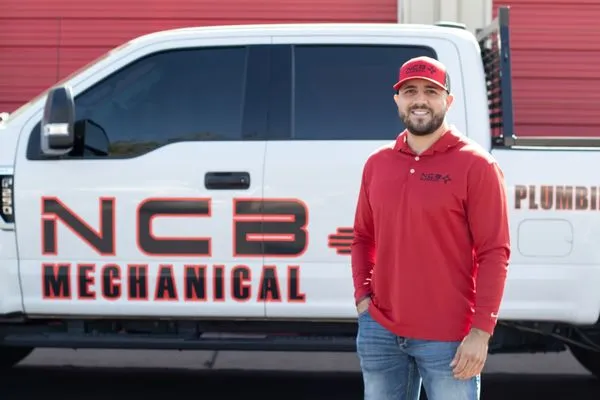
NCB Mechanical is a trusted, locally-owned HVAC and plumbing company serving Albuquerque and the surrounding communities. We are a licensed team of professionals dedicated to providing reliable soluti...
Wolff Heating Cooling and Plumbing
Wolff Heating Cooling and Plumbing is a locally owned and operated HVAC and plumbing service provider serving Albuquerque and surrounding areas. With over 25 years of industry experience, owner Joe Wo...
Number One Plumbing, AC, Solar & Electric
Number One Plumbing, AC, Solar & Electric has been a trusted, locally owned provider in Albuquerque since 2005. Founded by David, a journeyman with nearly a decade of experience, the company started w...

Donner Plumbing & Heating
Donner Plumbing & Heating has been a trusted fixture in Albuquerque since 1972. As a licensed, bonded, and BBB-accredited company with over 100 employees and a fleet of 47 service vehicles, we provide...
A-1 Plumbing Heating Cooling And Mechanical
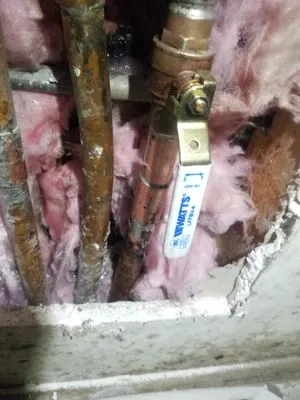
A-1 Plumbing Heating Cooling And Mechanical is a trusted, full-service home solutions provider serving Albuquerque and the surrounding areas. We specialize in addressing the common plumbing challenges...
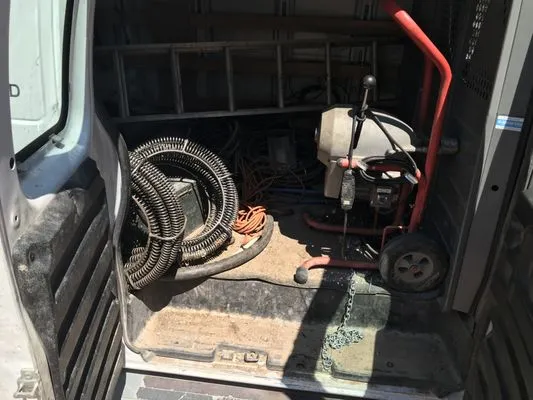
Al's Sewer Service is a second-generation, family-owned plumbing and sewer company serving Albuquerque and the surrounding area since 1962. We provide knowledgeable drain and sewage solutions for your...
Robert Wilson Plumbing Heating & Air Conditioning
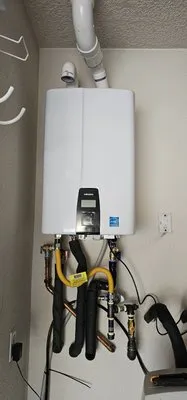
At Robert Wilson Plumbing Heating & Air Conditioning, we are your trusted local partner for home comfort and function in Albuquerque. For years, we've been the reliable choice for families and busines...
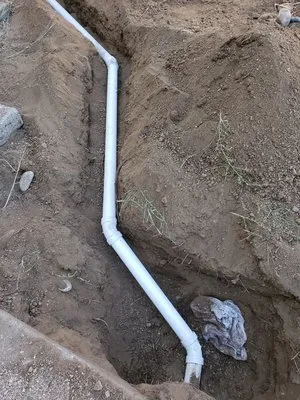
Zoom Drain is your trusted Albuquerque plumbing partner, solving drain and sewer emergencies for homes and businesses. We understand that local issues like broken shutoff valves and pipe corrosion are...
Estimated Plumbing Costs in Pojoaque, NM
Common Questions
Could the hills in Pojoaque Valley be causing my drainage problems?
The sloping terrain directly affects drainage. A home built into a hillside can have excessive hydrostatic pressure against the foundation and main sewer line, stressing joints and leading to infiltration or line separation. Conversely, a home at the base of a slope may receive runoff that overwhelms its perimeter drains. Proper grading and dedicated drain lines are not optional here.
How fast can a plumber get to Pojoaque for an emergency?
From my base near Pojoaque Pueblo, I take US-84/285 directly into the valley. That route typically means a 45 to 60 minute dispatch for a true emergency call. Traffic is usually light, but I plan for the full hour to ensure I arrive with the correct parts and equipment to resolve the issue on the first visit.
Why are my 1990s copper pipes suddenly failing in Pojoaque?
Homes built around 1994 have copper pipes that are now 32 years old. That age is a typical service life for copper in our hard water conditions. You are likely seeing pinhole leaks or joints that have become brittle from decades of mineral scale buildup and micro-vibrations from the hilly terrain. This is a predictable point where proactive replacement or targeted repairs become necessary to avoid cascading failures.
What's the most common plumbing problem in a 1994 Pojoaque home?
Pinhole leaks in copper lines are the signature failure. After 32 years, the combination of hard water scaling and the natural erosion from water velocity creates weak spots, often behind walls or under slabs. Joints can also fail due to calcification, which prevents the solder from sealing properly. These leaks start small but can cause significant structural damage if not addressed promptly.
Who handles permits for a plumbing remodel in Santa Fe County?
Santa Fe County Building and Development Services issues the permits, and all work must comply with codes enforced by the New Mexico Construction Industries Division. As a licensed master plumber, I manage that entire process—pulling permits, scheduling inspections, and ensuring compliance. My credential means I handle the red tape so you don't have to navigate the bureaucracy yourself.
What's the best way to prevent frozen pipes here in winter?
Our arid climate and overnight lows near 18°F demand specific action. Insulating pipes in unheated crawl spaces is essential, but for vacant properties, draining the system is more reliable than just setting a trickle. Pay special attention to exterior hose bibs and any plumbing on the north side of the house, as they get no solar warmth during the short winter days.
Are there special plumbing concerns for a rural Pojoaque property?
Rural properties here often rely on private wells and septic systems. Well pump pressure switches and tanks need regular maintenance, and the hard water accelerates wear. Septic system health is critical; a failing leach field is a major repair. You must be mindful of what goes into the system, as there is no municipal treatment to back you up.
Does our hard water from the Rio Grande ruin appliances?
Yes, the mineral content leads to heavy scale buildup. Inside a water heater, this sediment insulates the heating elements, forcing them to work harder and fail prematurely. Scale also restricts flow in faucet cartridges and shower valves, leading to low pressure and inconsistent temperature control. A whole-house water softener or regular descaling is a practical defense for your plumbing investment.
