Top Emergency Plumbers in Hobbs, NM, 88240 | Compare & Call

There are 15 plumbing companies server in Hobbs NM
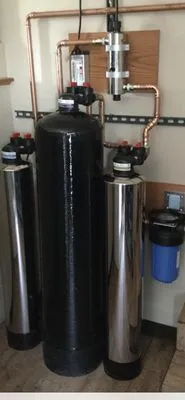
Master Plumbers
Master Plumbers in Hobbs, NM is a licensed plumbing service with over 20 years of experience serving Southeast New Mexico and West Texas. We provide comprehensive residential and commercial plumbing s...
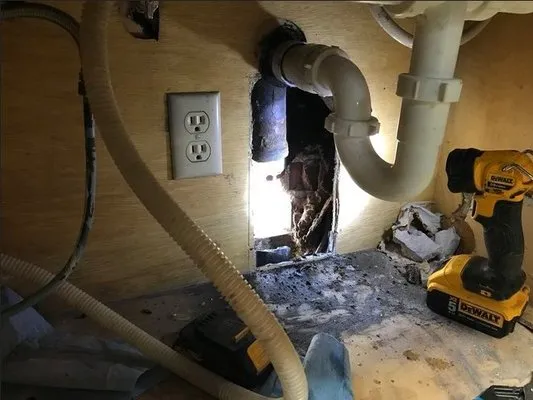
A1 Plumbing Works is your trusted local plumbing company serving Hobbs, NM, and the surrounding Lea County area. We provide comprehensive plumbing solutions for both homes and businesses, from routine...
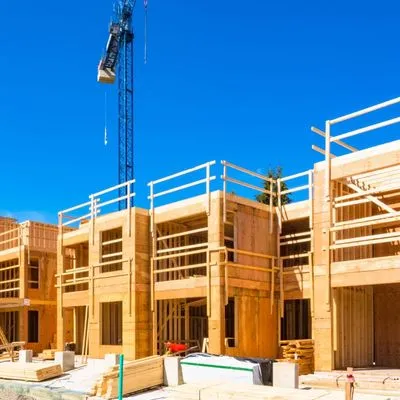
Kenzie Plumbing is a family-owned, fully licensed and insured plumbing company proudly serving the communities of Hobbs, Carlsbad, Lovington, Eunice, Jal, and Tatum for over a decade. As a local, fami...
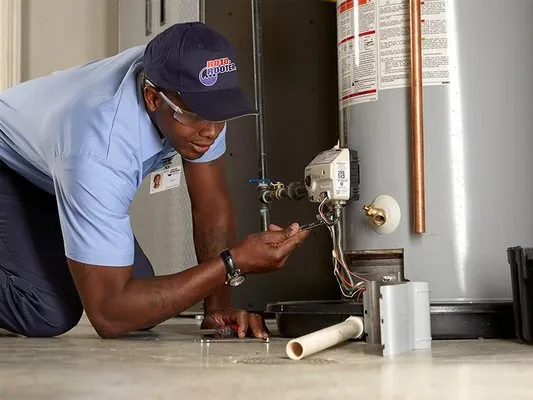
Roto-Rooter
Roto-Rooter has been the trusted plumbing resource for Hobbs, NM, and communities across the nation since 1935. As a locally operated and licensed plumber, we provide full-service plumbing repair, mai...
MTI Five Star Services is your trusted, locally-owned plumbing company serving Hobbs, NM, and the surrounding Lea County communities. We understand the unique challenges Hobbs residents face, from bat...
M&M Plumbing Services, LLC is a licensed and insured plumbing company founded in Hobbs, NM, serving Lea County, Eddy County, and parts of West Texas including Denver City, Seagraves, and Seminole. Wit...

On Point Plumbing is a licensed plumbing company serving Hobbs, NM and surrounding communities like Eunice, Lovington, Jal, and Tatum. With over a decade of experience and a master plumber license, we...
Triple A Plumbing is your trusted, local plumbing expert in Hobbs, NM. We specialize in addressing the specific plumbing challenges faced by Hobbs homeowners, such as stubborn mineral drain clogs from...
Tautfest Plumbing is a trusted local plumbing service in Hobbs, NM, dedicated to helping homeowners maintain safe and efficient plumbing systems. We specialize in thorough plumbing inspections to iden...
Platinum Water Solutions
Platinum Water Solutions is a family-owned plumbing business proudly serving the Hobbs, NM community. We specialize in both residential and commercial plumbing services, including water heater repair ...
Estimated Plumbing Costs in Hobbs, NM
FAQs
How quickly can a plumber reach my home in Hobbs during an emergency?
Heading past CORE Center for Recreational Excellence on US-62 provides direct access to most Hobbs neighborhoods. From that starting point, a dispatch route along US-62 connects efficiently to residential areas, typically allowing arrival within 20-30 minutes. This routing avoids unnecessary detours through less direct surface streets, getting help to your door with minimal delay when every minute counts.
What's the best way to prevent frozen pipes during Hobbs winters?
With winter lows hitting 26°F, insulate pipes in unheated crawl spaces and garages. During cold snaps, let faucets drip slightly to maintain water movement. Drain and disconnect outdoor hoses before freezing weather arrives. In this arid climate, check insulation annually as dry air accelerates heat loss. These measures prevent the ice expansion that cracks pipes, avoiding costly water damage when temperatures plummet overnight.
As a Hobbs homeowner, what should I know about municipal water pressure and sewer lines?
Municipal water pressure in Hobbs typically ranges 40-60 PSI, which stresses aging galvanized pipes through constant vibration. Tree roots seek moisture in arid soil, often invading sewer laterals through small cracks. These roots expand and block lines, requiring professional clearing. Regular pressure checks and camera inspections of laterals identify issues before they become emergencies, especially in neighborhoods with mature landscaping.
Who handles permits and inspections for plumbing work in Hobbs?
The City of Hobbs Planning and Building Department issues local permits, while the New Mexico Construction Industries Division sets statewide code standards. As a licensed master plumber, I coordinate required inspections and ensure all work meets current UPC and local amendments. This includes pressure tests, material approvals, and final sign-offs. Handling this red tape means your project stays compliant without you navigating bureaucratic complexities.
My house in Broadmoor was built in the 1970s. Should I be worried about my plumbing?
Galvanized steel pipes installed around 1974 are now 52 years old. In Broadmoor, homeowners are seeing rust-colored water, reduced flow from faucets, and frequent leaks at threaded joints. The steel corrodes internally over decades, narrowing the pipe diameter until water pressure drops noticeably. This corrosion accelerates after the 50-year mark, making proactive replacement a practical consideration before emergencies occur.
Why do my galvanized pipes keep springing leaks even after repairs?
Galvanized steel installed in 1974 develops pinhole leaks due to internal corrosion and joint calcification. The zinc coating wears away over decades, exposing bare steel to water that causes rust pits that eventually penetrate the pipe wall. Threaded joints accumulate mineral deposits that crack fittings when pipes expand and contract. These failures become systemic at this age, making spot repairs temporary solutions to a larger material lifespan issue.
Could the flat land around CORE Center affect my home's drainage or main line?
Plain terrain around CORE Center creates minimal natural slope for drainage. Stormwater pools rather than runs off, potentially saturating soil around foundation lines. This constant moisture accelerates corrosion on buried galvanized pipes. Main lines experience added stress from soil shifting during wet-dry cycles common in arid regions. Proper grading away from foundations helps, but older pipes in these conditions often show accelerated deterioration at low points.
Does Hobbs' hard water damage water heaters and fixtures?
Water from the Ogallala Aquifer contains high mineral content that causes scale buildup. In water heaters, this sediment accumulates at the bottom, reducing efficiency and eventually overheating the tank bottom. Fixtures develop crusty deposits around aerators and showerheads that restrict flow. Over time, scale acts as an insulator in heaters and an abrasive in valves, shortening appliance lifespan and increasing energy costs.
