Top Emergency Plumbers in Weymouth, NJ, 08317 | Compare & Call

There are 237 plumbing companies server in Weymouth NJ
WJW Plumbing and HVAC is a trusted, full-service company serving Philadelphia and the surrounding area. We specialize in professional plumbing and HVAC installations, from emergency pipe repairs and w...
Glenolden Plumbing Services is a locally-owned plumbing business in Philadelphia, PA, founded in 2017 by master plumber Sabrina. With over a decade of experience, Sabrina has built a reputation for re...
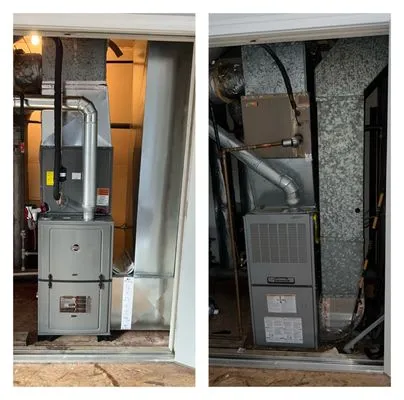
Jackson Mechanical
Jackson Mechanical is a licensed HVAC and plumbing company proudly serving Doylestown, PA, and the surrounding communities. We specialize in the installation, repair, and maintenance of heating, cooli...
Pee's Plumber and Heating is a trusted, full-service plumbing company serving Newportville, PA, and the surrounding communities. We specialize in addressing the common plumbing challenges faced by loc...
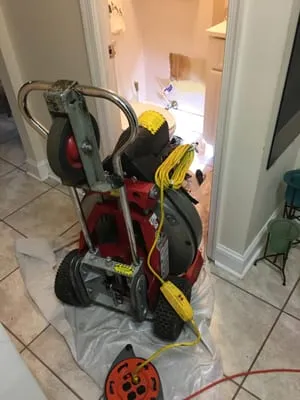
Express Drains is a family-owned plumbing and drain service company based in Warminster, PA, committed to providing honest, efficient service for homes and businesses. We understand the importance of ...

Red Dog Restoration serves the Collegeville community by providing essential cleanup and restoration services when homes are impacted by unexpected events. We specialize in biohazard cleanup, damage r...
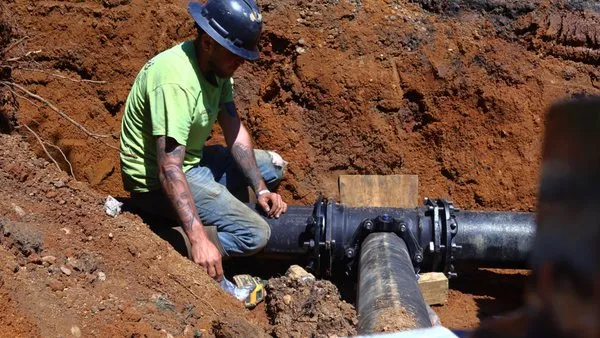
KE Seifert, Inc. is a trusted plumbing and HVAC contractor with deep roots in the Langhorne community. Our journey began in 1981 with drain cleaning services for Bucks County. By 1983, we had expanded...
Davenport Industries is a Philadelphia-based residential construction and remodeling company with over a decade of local experience. We specialize in custom home builds, major renovations, and compreh...

Jonny Acosta, the owner and hands-on professional behind J J Acosta Palma in Philadelphia, has dedicated himself to interior home remodeling for over 17 years. His journey began at age 17, cultivating...
Steven Krystopa brings over 25 years of professional painting experience and 15 years as a general contractor to Philadelphia homes. Operating as a painter and general contractor, he focuses on delive...
Estimated Plumbing Costs in Weymouth, NJ
Questions and Answers
What should I do before spring thaw to prevent plumbing problems?
Our 24°F winter lows mean pipes in crawl spaces need insulation before the spring thaw. Water expands as it freezes, creating pressure points that burst pipes when temperatures rise. Install foam pipe sleeves on exposed lines and keep cabinet doors open during cold snaps to let warm air circulate.
How does rural living impact my septic and well systems?
Rural properties with private wells and septic tanks need regular maintenance that municipal systems handle automatically. Septic tanks require pumping every 3-5 years depending on household size, while well pumps last about 15 years with proper filtration. Without municipal water pressure, you also need a pressure tank to maintain consistent flow.
Could my home's location near Weymouth Furnace affect drainage?
Low-lying terrain around Weymouth Furnace causes water to pool against foundation walls during heavy rains. This constant hydrostatic pressure stresses main sewer lines, leading to joint separation over time. Proper grading away from your foundation prevents most of these issues before they require excavation.
Who handles permits for plumbing work in Weymouth Township?
I coordinate directly with the Weymouth Township Construction Office for all required permits. As a New Jersey State Board of Examiners of Master Plumbers licensee, I ensure work meets current code standards. This means homeowners avoid paperwork delays and inspection callbacks that can stretch projects by weeks.
How quickly can a plumber reach my home in Weymouth?
Heading past Weymouth Furnace on US-40, our dispatch route covers most of the township within 45-60 minutes. We monitor traffic patterns to avoid backups near the furnace area during peak hours. This timing lets us reach emergencies before they cause extensive water damage to your home.
Why do my 1980s copper pipes keep developing leaks?
Copper pipes from the early 1980s often fail at solder joints due to calcification buildup. The solder used then reacts with our local water chemistry over time, creating brittle connections. You'll typically see leaks first at elbow joints and tee fittings rather than in straight pipe sections.
Does well water damage my plumbing fixtures faster?
Private wells in our area produce acidic water that corrodes water heater anodes and fixture valves. Without treatment, you'll replace water heaters every 8-10 years instead of the typical 12-15. The corrosion also eats through brass fittings in toilets and faucets, causing drips that waste hundreds of gallons monthly.
My copper pipes are from 1982 - what should I expect at this age?
Copper pipes installed around 1982 are now 44 years old. Homeowners in Dorothy are seeing pinhole leaks appearing in straight pipe runs, especially where water sits overnight. This happens because the protective oxide layer inside the pipe has worn thin over decades. You might notice small damp spots on ceilings or walls before major failures occur.
